

Locust Trees
19 years ago
Sort by:Oldest
Comments (5)
Related Stories
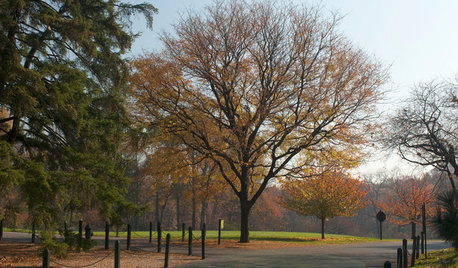
GARDENING GUIDESGreat Design Plant: Honey Locust Tree
No, it doesn't actually produce honey. But its dappled light and tolerant nature are treats in city and country settings alike
Full Story
LANDSCAPE DESIGN8 Reasons to Plant a Great Tree
Beauty is its own reward, but the benefits of planting the right tree in the right place go way beyond looks
Full Story
FALL GARDENING6 Trees You'll Fall For
Don’t put down that spade! Autumn is the perfect time for planting these trees
Full Story
TREESHow to Use Trees Inside
Bring nature close by integrating the beauty of trunks and trees — even smaller leafy trees — into your home
Full Story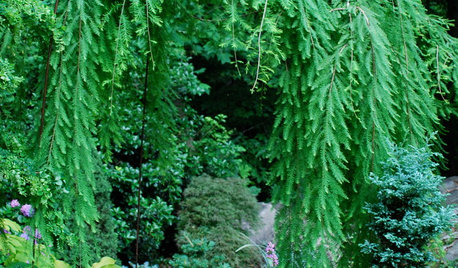
LANDSCAPE DESIGNThe Weepers and the Creepers: 10 Intriguing Trees for Your Garden
Bring something a little different to your landscape with a tree that dives, twists or crawls
Full Story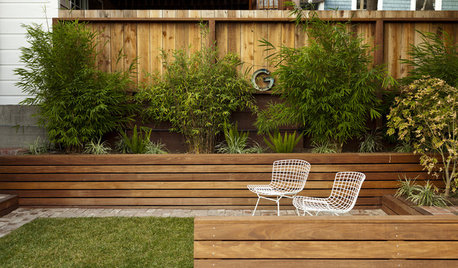
LANDSCAPE DESIGNSmall Garden? You Can Still Do Bamboo
Forget luck. Having bamboo that thrives on a wee plot just takes planning, picking the right variety, and keeping runners in check
Full Story
SPRING GARDENINGTop 10 Scented Plants for Your Garden
A palette of perfumed plants can transform even the smallest of gardens into a sensory delight
Full Story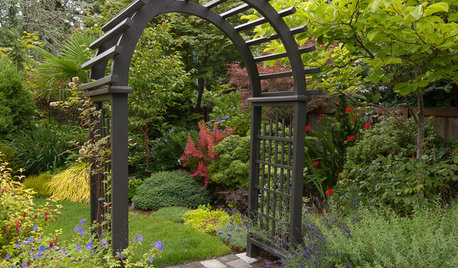
PLANTING IDEASGreat Garden Combo: 9 Plants for an Intriguing Entrance
Layer trees, flowers and shrubs around an archway to create the feeling of a year-round doorway to adventure
Full Story
LANDSCAPE DESIGNGreat Design Plant: Retreat to the Shade of Hardy Catalpa
Big foliage and a towering height provide a shady respite in summer, but that's not all hardy catalpa offers dedicated gardeners
Full Story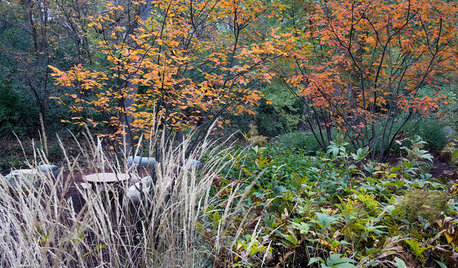
TREESGreat Design Plant: Downy Serviceberry
Plant this sculptural tree in fall or spring for year-round interest and graceful beauty
Full Story
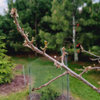

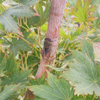

quirkyquercus
lkz5ia
Related Professionals
Sheboygan Landscape Architects & Landscape Designers · Las Cruces Landscape Architects & Landscape Designers · Terre Haute Landscape Contractors · DeRidder Landscape Contractors · Jacksonville Landscape Contractors · Wilmington Landscape Contractors · Columbus Landscape Contractors · Muskogee Landscape Contractors · Martinsburg Landscape Contractors · Muncie Landscape Contractors · Keene Landscape Contractors · Portland Landscape Contractors · Miami Home Additions · Vincennes Home Additions · Lafayette Home Additionspineresin
calliope
spruceman