

Treating Coir
18 years ago
Sort by:Oldest
Comments (4)
Related Stories

HEALTHY HOMEGive Your Baby the Healthiest, Safest Nursery Possible
Protect your newborn by choosing nontoxic nursery furniture, bedding, rugs and paint. We give you all the details here
Full Story
FARM YOUR YARDHow to Grow Vegetables in Containers
Get glorious vegetables and fruits on your patio with a pro’s guidance — including his personal recipe for potting mix
Full Story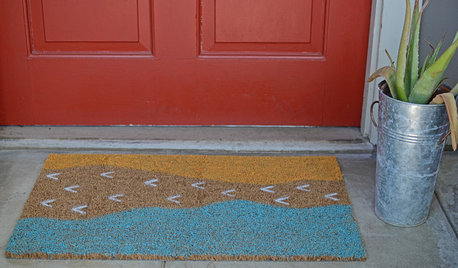
CRAFTSStep Up to a Work-of-Art Doormat
Stomping your feet at big-box-store mats? Paint a plain doormat for your entry to exactly match your style
Full Story
LIFEHow to Outsmart Backyard Critters
Learn to think like a raccoon, skunk or squirrel to keep your home safe and your garden intact
Full Story
PETSSo You Want to Get a Cat
If you're a cat lover, the joys outweigh any other issue. If you haven't lived with one yet, here are a few things to know
Full Story
GARDENING GUIDESHerb Garden Essentials: Versatile Cilantro Adds Flavor to Herb Gardens
Love it or hate it, this cool-season herb contributes its unique flavor to any number or the world’s cuisines
Full Story
FARM YOUR YARD6 Things to Know Before You Start Growing Your Own Food
It takes time and practice, but growing edibles in the suburbs or city is possible with smart prep and patience
Full Story
40 Fun Gifts for Your Pet-Loving Friends
Houzz Gift Guide: 40 New Ways to Love Dogs, Cats and Birds in Style
Full Story
SHOP HOUZZHouzz Products: Throw a Perfect Potluck
Host a fuss-free feast with serveware, chafing dishes, ecofriendly disposable plates and more from the Houzz Products section
Full Story

dufflebag2002
tanyagOriginal Author
Related Professionals
Georgetown Landscape Architects & Landscape Designers · Auburn Landscape Architects & Landscape Designers · Carson City Landscape Architects & Landscape Designers · Salt Lake City Landscape Architects & Landscape Designers · Rome Landscape Contractors · West Plains Landscape Contractors · Miami General Contractors · Shreveport General Contractors · Charleston General Contractors · Bangor General Contractors · Portland General Contractors · Poughkeepsie General Contractors · Boise General Contractors · Kalispell General Contractors · Olympia General Contractorscactusjordi
jk1550