Software
Houzz Logo Print
jcm55

watering advice

19 years ago

Hi all,

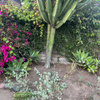
Just finished landscaping the front of our house with California natives. Looks a lot better than the gravel and weeds that have been there since the house was finished in January! Here's what I put in:

Ceanothus "Dark Star"

Salvia clevelandii (Cleveland Sage)

Mimulus aurantiacus (Sticky Monkeyflower)

Juncus patens (California Gray Rush)

I also put in a drip irrigation system. I did not install any drip heads for the Ceanothus -- I know that's a quick way to kill them. So I will hand water those just a bit for the rest of the dry season and then let them go without irrigation next summer.

For the other plants, I installed 1 GPH drip heads, one per plant. But I have no idea how I should program my drip system timer! How often and for how long should these be irrigated? Any suggestions?

Thanks,

Jim Meehan

Oakland, CA

Comments (7)

  • 19 years ago

    I'm not the native expert but I have read in numerous places drip is bad for any native.
    It is best to plant natives in the spring.
    They will need regular water for their first year to get them settled.

  • 19 years ago

    Since I dislike drip I won't comment on that, but I disagree about the Ceonothus needing water. We have a number of them all around the gardens. Yesterday we removed the one and only Ceonothus that doesn't get at least weekly summer water... it's been ailing for a couple of years now and just plain died.

    Fall is the best time to plant any permanent plant... including Natives... in most of CA and the SW. WInter rains and cooler weather allow them to make roots and settle-in before getting blasted by their first summer in the ground.

    And, yes, the plants you planted will need regular water for at least a year.

  • 19 years ago

    Hey Westelle, ITA with you on fall planting is best and makes sense. I have had several nurseries including Theodore Payne tell me spring for natives. It's confusing cuz then their largest sales are in the fall. Perhaps because their cuttings have grown through the summer.

  • 19 years ago

    I have been planting CA natives for two years now. I still have lots to learn of course. I have heard also that drip irrigation isn't good for natives (Las Pilitas' website says that).
    My questions:
    1. Why isn't drip irrigation good for natives?
    2. If overhead watering from a sprinkler isn't good, and drip isn't good, how do people water their plants?
    I'd appreciate any opinions here... Thanks

  • 19 years ago

    The ceanothus and the salvia need no water at all during the summer (after, say, the first season or two). I think the juncus probably needs some and it won't hurt the mimulus. Westelle is right that the fall is the best time to plant, as the rains will do most of the watering for you the first year--there's nothing wrong with planting in the spring, it's just a pain because it puts a lot more burden on you the first year.

    The reason drip irrigation isn't good for (some!) natives is that it keeps the root zone moist, which encourages the growth of fungi and microbes and the plant then succumbs to disease. For these natives it's not so much the drip that's the problem, it's just that they're adapted to fast-draining slopes in summer-dry climates and they don't want any summer water at all. But natives that are accustomed to more moisture (like the juncus) probably won't mind drip irrigation (or overhead or however you do it).

    I can't explain why westelle needs to water hers except maybe to say that some ceanothus grow natively on the coast and they probably are not used to the extra dryness they're getting in Fresno. So if you live in the Central Valley you might do well to do as she does--although I would just soak them rather than use drip emitters, and I'd make sure the drainage is really good where they are.

  • 19 years ago

    Most natives, once established, prefer a bi-weekly or even monthly deep, slow soak.... not the little bit they get with a dripper. Once established, you could just put a little sprinkler on low and leave for an hour or so, turn off, then go back the next day and do the same, then don't water for a couple of weeks, if really hot and dry, or a month if cooler.

    You all need to remember that we haven't had good, deep ground-soaking rains for many years. So, plants that set deep roots are suffering because there's no water more than a couple if inches down; even our Valley Oaks that are older than me are already turning gray and going dormant. The water is getting sucked-up by neighboring soil so doesn't last as long.

    And, these plants are in the front of jcm55's house. I'm sure they want the plants to look their best 365 and not bedraggled all summer.

  • 19 years ago

    While most California natives are adapted to winter-wet, summer dry conditions, this means different things in different places. Summer dry in Fresno is a heck of a lot different than summer dry on the central coast, which again is a heck of a lot different than San Bernardino. Topography plays a role as well. Most natives found in gardens are from hillside habitats, put them on flat land in heavy soil and you may have trouble.

    The problem with drip is that coverage is uneven. Drip mimics conditions found near seeps: saturated soil in the emitter's immediate vicinity and progressively drier soil as you move out. Rain wets the soil more or less uniformly.

    Ryan