

best tool to remove offsets?
18 years ago
Sort by:Oldest
Comments (5)
Related Stories
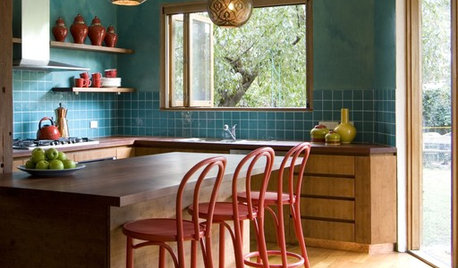
KITCHEN DESIGNKitchen Workbook: Tools to Pick Kitchen Stools
There's more to choosing a kitchen stool than you may think. These guidelines help remove the guesswork when you're picking a perch
Full Story
HOUSEKEEPINGThe Simple Way to Remove Wax From Candlesticks
Before you make a mess of things, read these easy steps for removing melted wax from your candlesticks
Full Story
HOUSEKEEPINGHow to Remove Water Rings From Wood Tables
You may be surprised by some of these ideas for removing cloudy white water marks from wood surfaces
Full Story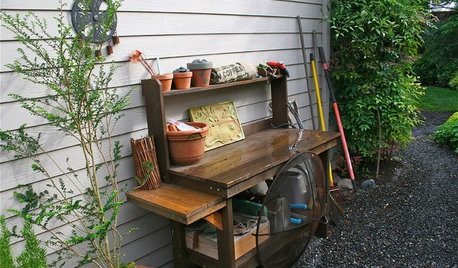
HOUSEKEEPINGHow and Why You Should Clean Your Garden Tools
Avoid rust and extend the life and effectiveness of your blades and spades with these expert tips
Full Story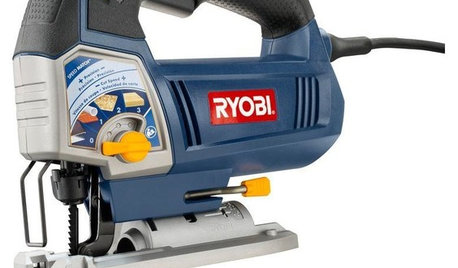
PRODUCT PICKSGuest Picks: Indispensable Tools for DIYers
Build your tool arsenal with these, and you’ll have the right equipment for any home project you take on
Full Story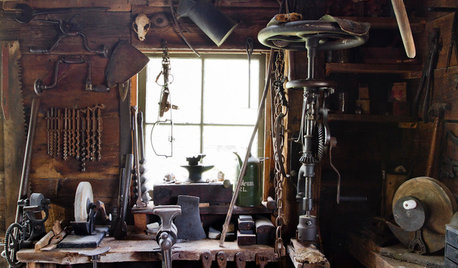
MATERIALSAre You a Maker? Show Us Your Favorite Tool or Material
Houzz Call: A tool or material can be a maker’s best friend. We’d like to see your favorite — and what it helps you achieve
Full Story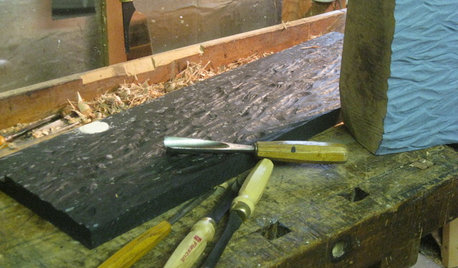
MATERIALS35 Makers Show Us What They Do With Their Favorite Tools
Houzz readers express their creativity in an astonishing range of ways. View their tools — and their works — here
Full Story
FARM YOUR YARDThe 8 Tools That Help Bring the Farm to Your Table
Vegetable gardeners get a big assist from these essential helpers
Full Story
DECORATING GUIDESDitch the Rules but Keep Some Tools
Be fearless, but follow some basic decorating strategies to achieve the best results
Full Story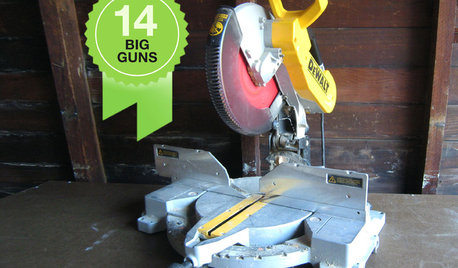
DIY PROJECTS14 Power Tools for the Home Shop
Want the thrill of building it yourself? These "big guns" help the handy homeowner tackle just about any job
Full Story



dufflebag2002
pug_daddyOriginal Author
Related Professionals
New York City Landscape Architects & Landscape Designers · Janesville Landscape Architects & Landscape Designers · Santa Rosa Landscape Architects & Landscape Designers · Macon Landscape Contractors · Greenville Landscape Contractors · Grand Island Landscape Contractors · Plattsburgh Landscape Contractors · Santa Fe Landscape Contractors · Calgary Landscape Contractors · Baton Rouge General Contractors · Zanesville General Contractors · Kankakee General Contractors · Saint George General Contractors · Toronto General Contractors · Bronx General Contractorsjabowman78
pug_daddyOriginal Author
jabowman78