

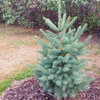
True fir ID
19 years ago
Sort by:Oldest
Comments (11)
Related Stories
COLOR12 Tried-and-True Paint Colors for Your Walls
Discover one pro designer's time-tested favorite paint colors for kitchens, baths, bedrooms and more
Full Story
MODERN ARCHITECTUREHouzz TV: This Amazing Lake House Made a Couple’s Dream Come True
Step inside a dream home on Lake Austin, where architecture celebrating gorgeous views has a striking beauty of its own
Full Story
LIFE10 Things Night Owls Know to Be True
Love being up while the world slumbers? Prefer a really late bedtime to an early night? These observations on night owl life may ring true
Full Story
FUN HOUZZ31 True Tales of Remodeling Gone Wild
Drugs, sex, excess — the home design industry is rife with stories that will blow your mind, or at least leave you scratching your head
Full Story
HOUSEKEEPING10 Things Neat Freaks Know to Be True
Do you err on the incredibly tidy side? Then you probably already live by these nuggets of neat wisdom
Full Story
LIFETrue Confessions of a House Stalker
Letting go when a new owner dares to change a beloved house's look can be downright difficult. Has this ever happened to you?
Full Story
MOVING9 Things New Homeowners Know to Be True
Just moved into a new home? Congratulations! The fun is about to begin
Full Story
MY HOUZZMy Houzz: A Dream of Country Living Comes True
A couple garden and raise chickens in their retreat-like historic Maryland property, learning as they go
Full Story
FEEL-GOOD HOME8 Nordic Secrets to Exude True Warmth at Home
Cultivating cheerfulness in winter's darkness is a Northern European specialty. Try these tips to boost your own home's coziness
Full Story
MORE ROOMSTrue Blood: What If Sookie Stackhouse Just Moved Away?
More Security, Familiar Elements and Updated Decor for Sookie's New Home
Full Story
Sponsored
pineresin
pinetree30
Related Professionals
Edison Landscape Architects & Landscape Designers · Elmira Landscape Architects & Landscape Designers · Phoenix Landscape Architects & Landscape Designers · Redding Landscape Architects & Landscape Designers · Spokane Landscape Architects & Landscape Designers · Gainesville Landscape Contractors · Boston Landscape Contractors · Flint Landscape Contractors · Vancouver Landscape Contractors · Danbury Home Builders · Kalamazoo Home Builders · Marquette Home Builders · Jackson Home Builders · Toronto Home Builders · Queens Home BuilderswadetOriginal Author
wadetOriginal Author
pineresin
pinetree30
Embothrium
pinetree30
Embothrium
pinetree30
wadetOriginal Author