

Thuja Arborvitae cones
15 years ago
Sort by:Oldest
Comments (8)
Related Stories
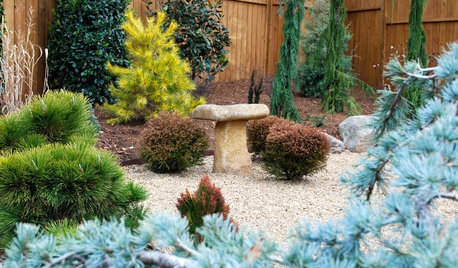
GARDENING GUIDESGreat Design Plant: Thuja Occidentalis ‘Bobozam’
Sculptural, diminutive and low maintenance, Mr. Bowling Ball arborvitae works hard in small spaces
Full Story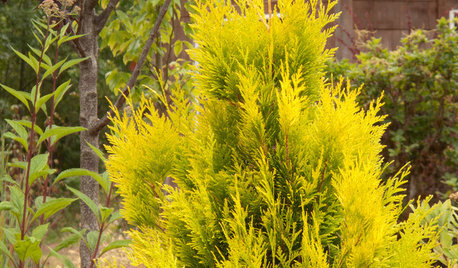
FOLIAGEGreat Design Plant: 'Forever Goldie' Arborvitae
As soft as a teddy bear, this golden conifer adds year-round interest to the garden
Full Story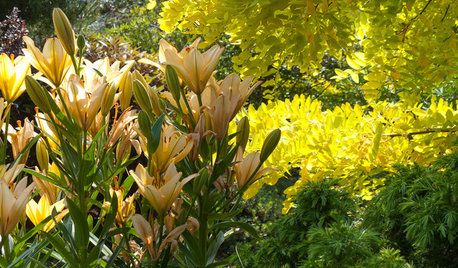
GARDENING GUIDESGreat Garden Combo: 3 Wonderful Plants for a Deer-Resistant Screen
Protect your privacy and keep deer at bay with a planting trio that turns a problem garden area into a highlight
Full Story
SIDE YARD IDEASNarrow Trees for Tight Garden Spaces
Boost interest in a side yard or another space-challenged area with the fragrance and color of these columnar trees
Full Story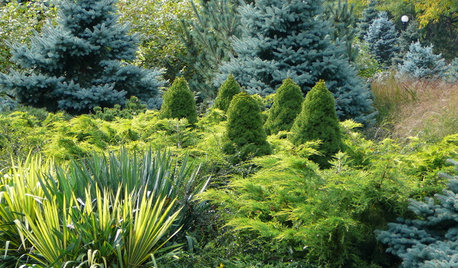
PLANTING IDEASDesigning With Conifers: Layers of Texture for Your Garden
Sharp and prickly or fine like ferns, richly textured conifers bring unexpected interest to the landscape
Full Story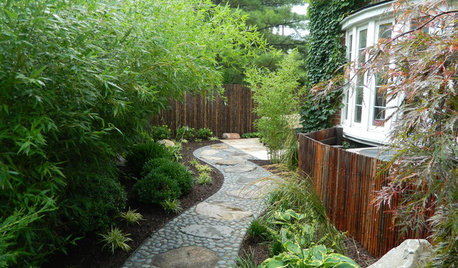
GARDENING AND LANDSCAPINGGrow a Lush Privacy Screen
No need to wait forever for patio privacy the green way. These 10 ideas will get your screening up and running in no time
Full Story
LANDSCAPE DESIGNThe 7 Best Plant Types for Creating Privacy and How to Use Them
Follow these tips for using different kinds of plants as living privacy screens
Full Story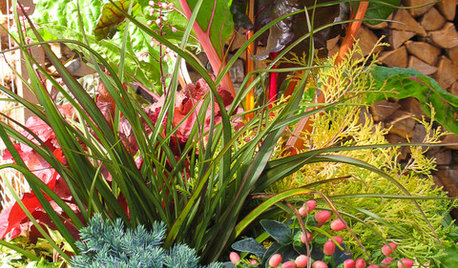
PLANTING IDEASStretch the Budget, Seasons and Style: Add Conifers to Your Containers
Small, low-maintenance conifers are a boon for mixed containers — and you can transplant them to your garden when they’ve outgrown the pot
Full Story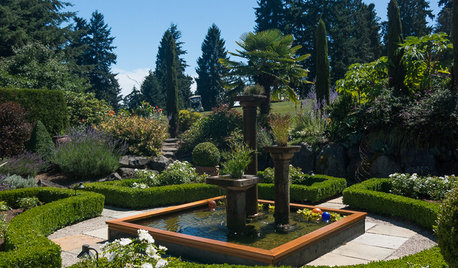
LANDSCAPE DESIGNGet a Mediterranean-Style Garden Even Far From the Sea
Some lavender here, a water feature there, and your garden just might feel transported to a balmy seaside locale
Full Story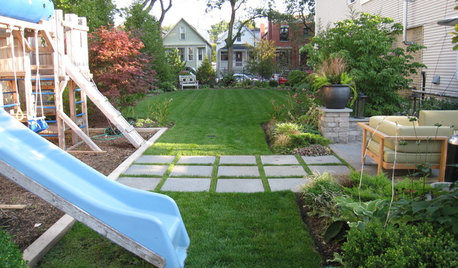
LIFE6 Tips for Teaching Your Kids to Be Good Neighbors
Everyone wins when your children learn to respect boundaries, get help when they need it and show others they care
Full Story
pineresin
WendyB 5A/MAOriginal Author
Related Professionals
Wilmington Landscape Architects & Landscape Designers · Lafayette Landscape Architects & Landscape Designers · Cincinnati Landscape Architects & Landscape Designers · Victoria Landscape Architects & Landscape Designers · Miami Landscape Contractors · Brunswick Landscape Contractors · San Diego Landscape Contractors · El Dorado Home Builders · Cape Coral Home Builders · Ocala Home Builders · Valdosta Home Builders · Platteville Home Builders · Farmington Home Builders · Pullman Home Builders · Hilo Home Buildersken_adrian Adrian MI cold Z5
noki
WendyB 5A/MAOriginal Author
isabelle Tremblay
bengz6westmd
Chris K