

Historic Herb Garden
19 years ago
Sort by:Oldest
Comments (2)
Related Stories
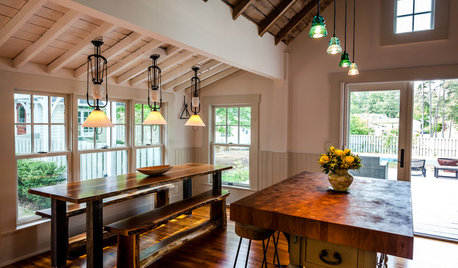
KITCHEN DESIGNKitchen of the Week: Rustic Space Opens to Herb and Vegetable Gardens
Well-chosen recycled and repurposed features create a North Carolina cottage kitchen with a distinctive look and personality
Full Story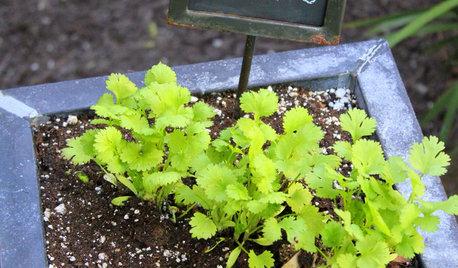
GARDENING GUIDESHerb Garden Essentials: Versatile Cilantro Adds Flavor to Herb Gardens
Love it or hate it, this cool-season herb contributes its unique flavor to any number or the world’s cuisines
Full Story
HOUZZ TOURSMy Houzz: Fairy-Tale Charm in a Historic Hollywood Landmark
Just a stone’s throw away from Hollywood Boulevard, vine-covered walls hide a magical courtyard and a couple’s condo
Full Story
HISTORIC HOMESLandmark Status Honors a Historic Modern Landscape
Grounds designed by Lawrence Halprin, including a play garden and a meditative garden, gain protection thanks to a family's efforts
Full Story
PLANTING IDEASModern Planting Ideas From a Historic English Garden
Low-maintenance, climate-fitting plants are just the beginning of the good things in this bishop’s updated garden
Full Story
INSPIRING GARDENSWe Can Dream: Lush Life on a Historic Normandy Estate
New gardens surround centuries-old buildings on a 10-acre property in France, creating a beautiful haven
Full Story
Guest Picks: Herb Gardens for Small Kitchens and Gardens
Up the wall, easily portable or beautifully decorative, these solutions help even the smallest kitchens and balconies get growing
Full Story
EDIBLE GARDENS8 Surefire Vegetables and Herbs for Beginning Gardeners
Learn the edible plants that are popular and easy to grow in a backyard or container garden
Full Story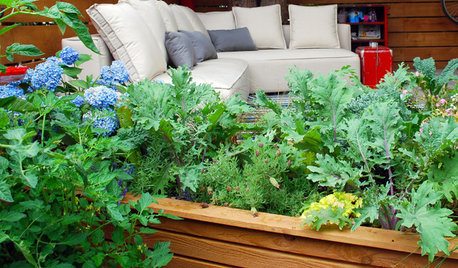
GARDENING GUIDESStep Right Outside for Fresh Herbs and Vegetables
Decks and patios can be convenient spots for edibles, and sometimes they even offer advantages over backyard gardens
Full Story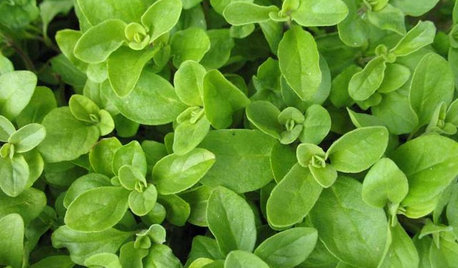
EDIBLE GARDENSHerb Garden Essentials: Grow Your Own Oregano and Marjoram
Say 'buon giorno' to classic Italian herbs you can grow just as easily in pots as in the summer garden
Full Story
Sponsored
ksrogers
bblonderOriginal Author
Related Professionals
Gainesville Landscape Architects & Landscape Designers · Alexandria Landscape Architects & Landscape Designers · Cincinnati Landscape Architects & Landscape Designers · Jamestown Landscape Architects & Landscape Designers · Albuquerque Landscape Architects & Landscape Designers · Sarasota Landscape Contractors · Amherst Landscape Contractors · Allentown Landscape Contractors · Erie Landscape Contractors · Olympia Landscape Contractors · Leamington Landscape Contractors · Effingham Architects & Building Designers · Annapolis Architects & Building Designers · Norfolk Architects & Building Designers · Madison Architects & Building Designers