

Oxalis?
19 years ago
Sort by:Oldest
Comments (5)
Related Stories

EDIBLE GARDENSNatural Ways to Get Rid of Weeds in Your Garden
Use these techniques to help prevent the spread of weeds and to learn about your soil
Full Story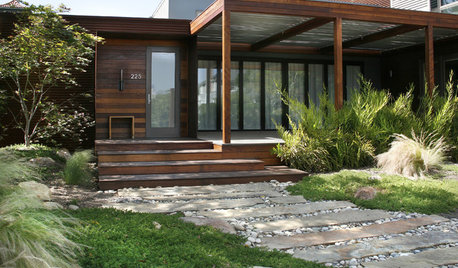
LANDSCAPE DESIGN7 Low-Maintenance Lawn Alternatives
Turf isn't the only ground cover in town. Get a lush no-grass lawn with clover, moss and other easy-care plants
Full Story
HOUSEPLANTSCelebrate Shamrocks on St. Patrick’s Day
Two bright green perennials are perfect March additions to your houseplant collection
Full Story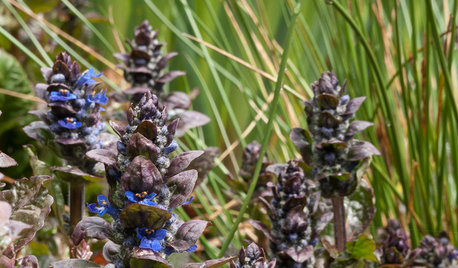
GARDENING GUIDESGreat Design Plant: Bugle Weed, a Quick Ground Cover
It’s highly adaptable, suppresses weeds, reduces erosion and provide weeks of bright flowers. Just watch for invasiveness
Full Story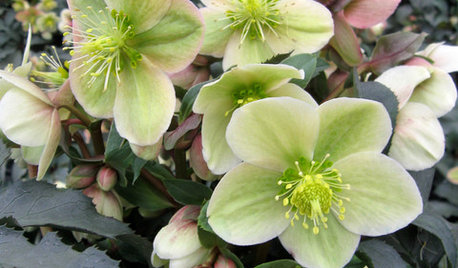
WINTER GARDENINGGreat Design Plant: Gold Collection Hellebores Perform Like Stars
Exciting colors, longer bloom times, forward-facing flowers ... These hybrids leave old hellebores in the dust
Full Story
LANDSCAPE DESIGNGarden Overhaul: Which Plants Should Stay, Which Should Go?
Learning how to inventory your plants is the first step in dealing with an overgrown landscape
Full Story
GARDENING GUIDES8 New Ways to Garden This Year
A successful garden means knowing the plants, the wildlife and yourself
Full Story
LANDSCAPE DESIGNFind Yourself in an Epic Garden in the Shade
Feeling hot and tired gardening in the sun? The world of shade gardening beckons you to its cool mystery
Full Story
HOUSEPLANTSIndoor Winter Gardens for Cheerier Days
Bring plants inside for drab-days mood boosting — not to mention cleaner indoor air and protection for your greenery
Full Story
HOUSEPLANTS8 Essentials for Healthy Indoor Plants
Houseplants add so much to our homes — and can thrive when grown in the right conditions. Keep these tips in mind
Full Story
reyna1
Daisyduckworth
Related Professionals
Owensboro Landscape Architects & Landscape Designers · Vicksburg Landscape Architects & Landscape Designers · Cincinnati Landscape Architects & Landscape Designers · Dallas Landscape Architects & Landscape Designers · Montgomery Landscape Contractors · Champaign Landscape Contractors · Saint Cloud Landscape Contractors · Monroe Landscape Contractors · Savannah Architects & Building Designers · Spartanburg Architects & Building Designers · Newport Architects & Building Designers · Bennington Architects & Building Designers · Bridgeport Architects & Building Designers · Pueblo Architects & Building Designers · Carson City Architects & Building DesignerstasymoOriginal Author
rhizo_1 (North AL) zone 7
ksrogers