Software
Houzz Logo Print
mersiepoo

What can you DO with RUE?

17 years ago

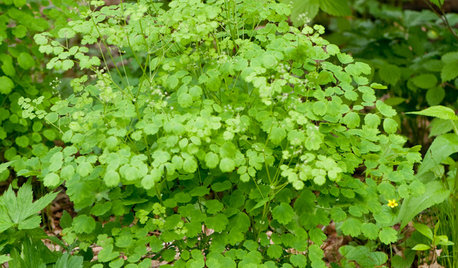
My mom had given me her rue plant, I think she thought it was feverfew..and it turned out to be rue. Fast forward a few years and this stuff is TAKING OVER! LOL! Not that I care, herbs are the only thing around here that seem to do well, and it's herbs that I don't use or don't know how to use! I have a veritable field of applemint (I don't like the taste) too, as well as valerian.

Any suggestions of what to do with this plant? It's got nice flowers at least.

Comments (10)

  • 17 years ago

    Culinary Uses: Infuse the seed with lovage and mint to make a marinade for partridge. The leaves have a bitter taste but very small amounts can be added to cream cheese, egg and fish dishes. Mix with damson plums and wine for a delicious meat sauce. It goes well with acidic flavours and can be added to pickles. To reduce the bitterness, put a little into a boiling sauce for no more than one minute, then remove. In Italy, rue is used to counteract the 'heaviness' of sauces based on tomato and olive oil. Rue is often a component in the berbere spice mix from Ethiopia. Ethiopian cuisine also utilises rue berries in many sauces and stews.

    Medicinal Uses: Rue was once an officially recognized treatment for hypertension, diabetes, and allergic reactions. Tea made from the leaves is used to treat nervous headache, griping stomach pains, dizziness, coughs, vertigo, palpitations, anxiety problems and high blood pressure. Use the tea as an eye wash for tired eyes and to wash wounds. the tea is also used to decrease the pain and inflammation of an earache. The juice or oil is placed in the ear to relieve earaches. The leaves are used in poultices and salves to relieve sciatica, gout and rheumatic pains. Traditionally used to bring on suppressed menses. A poultice of fresh leaves alleviates the pain of scorpion bites and jellyfish stings. A strong infusion made by pouring a little boiling water on dried or fresh rue leaves can be dabbed on insect bites to bring relief.

    Other Uses: Dried flowers are attractive in floral arrangements. Whole plant is reputed to be a deterrent for some dogs and cats. Used to repel beetles and fleas. Good companion plant for fig trees, roses, raspberries but do not plant near basil, cabbage, nuts, sage.

    Warning: Avoid use when pregnant. Taking the essential oil internally can lead to abortion. Handling the plant, especially when in bloom, can cause skin irritation. To minimise this risk, wait until the plant has dried out or the sun has gone behind cloud cover: alternatively, wear gloves. Large doses may cause vomiting, interfere with the liver function and in rare cases can be fatal. Rue interacts negatively with blood-thinning medications. Ingestion of Rue may prolong blood coagulation time. Do not boil rue. Do not use in large quantities. Do not use for more than 6 weeks at a time. Avoid if suffering from haemorrhagic diseases or peptic ulcers. May cause photosensitivity.

  • 17 years ago

    Daisy, thank you so much for all the information! Wow! I thought all it did was repel flies, ha ha! Now that I can eat it, that's even better! :) I have a stanley plum tree, I guess they could do in a pinch, ha ha! :)

    Thank you for the great tips for rue. :)

  • 17 years ago

    Does rue survive the winter in zone 6? I have been told by people who should know that it won't make it through the winter in Atlanta, and we're 7b. This is my first year with it, so I'd love to know about hardiness before I find out the hard way.

    As for cooking -- Rue is definitely bitter, and a little goes a long way. Rue was popular in ancient Rome and medieval Europe, and if you are at all interested in food from those periods, rue is indispensible. I planted it this year specifically for use in Roman recipes.

    My impression is that rue is an excellent background flavor. Used in small amounts, it rounds out the overall flavor of larger amounts of strongly flavored herbs like mint. It usually goes in at the end of cooking, like mint and other herbs that need to taste fresh in the dish.

    I was interested to see that daisyduckworth mentions a mix of rue, lovage, and mint for partridge. That is a classic mix of herbs from ancient Rome -- along with plenty of black pepper -- and the combination goes as well with lentils as it does with meat. I planted lovage this year to go with the rue, but my lovage hasn't been nearly as impressive as my rue.

    Cooking Apicius by Sally Grainger is the most up-to-date book on Roman food, if you're interested in that sort of thing.

  • 17 years ago

    Be sure to pay attention to the "may cause skin irritation" part of daisyduckworth's answer! I barely brushed a rue plant with my arm, and ended up with very painful blisters! After researching, I found that it can hyper-sensitize the skin to the sun. So, I treated as for a burn (aloe, lavender oil, etc.) and it helped - but I had dark scars for quite a while.

    I'm not usually that sensitive to plants - don't even get poison ivy - so, do be careful!

  • 17 years ago

    The "skin irritation" seems to be a problem for some people, but I have never noticed it. I even went out on a sunny day and rubbed my arms all over the leaves just to see what happened -- all in the name of science!! Nothing happened. Maybe it's my skin type, maybe it was the youth of the plant -- I don't know. But except for my one experiment, I am typically careful to harvest in the shade, just in case.

  • 17 years ago

    mikael3, yes. Rue will survive zone 6. It survives here in Western NY State with no winter protection. If it can survive here, I'm sure it can over winter in Atlanta!!

    FataMorgana

  • 17 years ago

    Hi Jules!
    Thank you for the warning, although I know I've handled it before and didn't get any reactions from it. One time I did mash some leaves on me (I thought they were poison ivy and they were!)...wow it looked like I had leprosy on my hand, ha ha! Now I definitely know what poison ivy looks like, hee hee! :)

  • 5 years ago

    In Ethiopia, we add it in our coffee, tea, milk, and yogurt as well. It gives all these a nice aroma. If used in small amount, it’s a good substitute for mouth wash (just chew the leaves and bad breath will be gone)

  • 5 years ago

    I grow it because it is a host plant for Swallowtail butterflies!

Sponsored
Buckeye Basements, Inc.
Average rating: 5 out of 5 stars40 Reviews
Central Ohio's Basement Finishing ExpertsBest Of Houzz '13-'21