Software
Houzz Logo Print
tom_n_6bzone

tea herbs

18 years ago

I ordered the following herb seeds: Lemon Balm, Catnip, Rosemary, Sage, German Chamomile, Fever Few, Lavender, Lemon Grass, Orange Gem Marigold, Lemon Bergamot, Angelica, Anise. The idea is for container herbs.

Does anyone know a good site for growing information? Do you think these will be ok in containers? Do you dislike any of these?

Thanks for any comments.

~tom

Comments (13)

  • 18 years ago

    These can all be grown in large containers. Certain of these will get quite large and will need their own container: Rosemary, Lavender, and, Angelica -- which can get tall.

    Each of the herbs you mentioned grows different than the others, so you need specific information. While I can't recommend a specific one, there are lots of books about growing herbs. I'm sure your local library will have one if you would rather not buy it.

  • 18 years ago

    tom n z6 - It seems that this year, the more I learn about gardening, the more I need to learn. So, in planning for next year, I considered adding more herbs - and, having the same question you present, I found that doing searches on Gardenweb.com & scanning lots of postings got me some pretty detailed advice that would be hard to find elsewhere. Just take notes about the various detailed advice from the different clippings for each herb. e.g. I found out that some seeds are so finicky I would only use transplants, that some prefer shade, that some take forever to germinate, and that some treat you right no matter how you mess it up!

  • 18 years ago

    I would suggest visiting your local bookstore and finding a "growing herbs" book that works for you. It should have information on growing conditions, the plants themselves, uses, sun/water requirements, and so on. There are quite a number of these type of books so find one that you like the format of and the information in it.

    This will be an excellent investment for you. It will not only help you to grow and use your plants, it will help you to plan out your plantings for maximum success. For example: lavender and angelica in the same pot wouldn't be wise, they have different water needs. Good Luck!

    FataMorgana

  • 18 years ago

    I agree with everyone. The library is still the place to get the most thorough information. I surf the web and use google a lot and find interesting and good info, but the bottom line is usually, its the libray.
    ~tom

  • 18 years ago

    Tom, I enjoyed starting tea herbs in containers this year but the plan was to just leave them there for only a couple of months. They were then given plenty of room in the open ground and have grown well.

    I now have lots of what I felt were good choices as tea plants. And, I was able to harvest fresh leaves thru the Summer and a few bags of dry leaves for the Winter months.

    I have had catnip and lemon balm in the yard for the last few years and enjoyed the catnip. Why I planted more lemon balm is beyond me - it can only be enjoyed one leaf at a time and in combination with others even at that. I've had lemon verbena for the last few years and never made any use of it as a tea herb. Last year, I "discovered" it and found it a much better choice than lemon balm.

    Wild bergamot didn't grow much and didn't flower so I can't really say if it was a good choice. Sweet fennel is still a question mark - I had hoped that it would develop seeds and they may turn okay but the foliage and blooms steadily moved towards the bitter end of the scale as the season progressed.

    I have grown anise hyssop before and was pleased to welcome it back in my tea garden. Korean mint was a good surprise. It seemed to improve in flavor as the season progressed and is now my favorite as a dried herb.

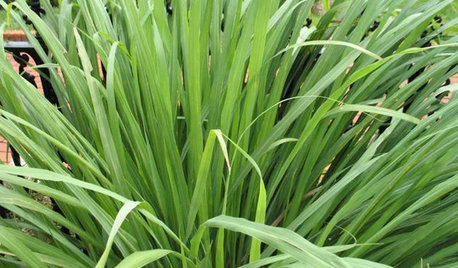
    Feverfew grows in my yard and it makes a nice addition to bouquets. I would never consider drinking it as a tea unless I had an absolute "killer" headache since it is supposed to be good for migraine. Lemon grass can be started by purchasing at an Asian market, placing in water, and allowing to grow roots. I usually have lemon grass growing somewhere each year started that way - super easy. I wish chamomile would do better for me. I may just start buying and planting seeds for it each year and expecting that I will need to do this rather than thinking it will self-seed.

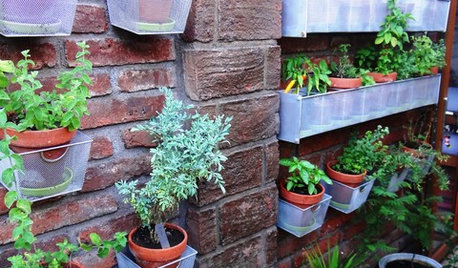
    If you go over to the Heirloom plants forum and do a search for "tea herbs" you will find a long-running thread. Included is a photo of my container herbs from 2007.

    Steve

  • 18 years ago

    I'm not sure what it is like as a tea but my opinion of feverfew with regards to the taste of the fresh leaves is that someone would have to have a migraine (the most common use of feverfew) to want to eat those. *grin* I find it rather unpleasant tasting.

    That said, it is very easy to grow, self seeds readily, and adds blooms to your herb garden. It is a pretty plant. I grow it for the visual appeal as well as harvesting it for others. Herb gardens can be quite pretty things if you have plants that bloom mixed in - and you have more seeds of plants that bloom than not in your list.

    FataMorgana

  • 18 years ago

    it's not the most extensive information, but here's a Penn State cooperative site for herbs:

    Here is a link that might be useful: Penn State Cooperative Extension ~ Herbs

  • 18 years ago

    hmm - if you're going to grow herbs for tea, consider adding Stevia to the plot - its leaves are used as a sweetener.

  • 18 years ago

    interesting idea, stevia. thanks!
    ~tom

  • 18 years ago

    the Lemon balm, Bergamots, and all mints need to be kept in a container that does not allow them to put roots into the dirt - it's hard enough to contain them, without them getting a toehold in your lawn !

    the lavander in particular will need good drainage, all but the English strains are pretty close to being xeriscape plants.

    and if you're growing it out doors - cage the catnip. you're going to attract every cat in the area anyhow, but that will at least assure that YOU get some :)

  • 18 years ago

    I definately second chinacat if you don't cage your catnip the cats and foxes if you have them in your area will chew right down to the roots. The foxes will do the most damage in February. Why ???

  • 18 years ago

    >>I ordered the following herb seeds: Lemon Balm, Catnip, Rosemary, Sage, German Chamomile, Fever Few, Lavender, Lemon Grass, Orange Gem Marigold, Lemon Bergamot, Angelica, Anise. The idea is for container herbs.

    You won't like Feverfew tea, and you probably won't like "Marigold" tea either. I'm wondering if your Marigold is what people used to call Marigolds--now "Calendulas"--or Tagetes. The flower petals from Calendulas aren't much of a tisane but a food dye.

    Monarda didyma is an outstanding tisane plant. It is the standard substitute for bergamot organges for making Earl Grey tea. It makes a pleasant fragrant tonic by itself, or mix it half and half with black tea.

    Lemon grass is pleasant but not easy to grow. You will have to overwinter it in frost-free shelter. It is rare from seed but it can be had. You might want to substitute easier herbs that smell similarly, like Lemon Balm. In my climate I grow Lemon Verbena.

    >>Does anyone know a good site for growing information?

    My own website WILL BE compiling information soon. It's not there yet and it's been painful trying to compile information.

    I will SPECIFICALLY have a lot of information about "tonics" ("herbal tea"). It should start showing up in a few weeks. It will show up somewhere in the vicinity of this page

    http://www.mutuallyassuredsurvival.com/wiki/tiki-browse_categories.php?parentId=32&deep=off&type=

    from which you can follow the links.

    Beware of books on herbs. Most of them contain very superficial and useless information. Much of the information they do have is inaccurate, dated, or refers to a different plant than what they think. There are several problems, but from a marketing standpoint one of the big problems is that the subject attracts a lot of dilettantes (present fine company excepted!). There is also the problem that very few people grow more than a few token herbs. One common problem that I see is that books about "using herbs" refer to dried herbs even when referring to herbs that do not dry well!! They just assume that you will buy them and not grow them. Another similar problem is that they will refer largely to ingredients that are not herbs, but tropical commodities and spices that most of us could never grow--cinnamon sticks, lemon peel, sugar, cloves, etc.

  • 18 years ago

    Page referred to above no longer exists:

    http://www.mutuallyassuredsurvival.com/wiki/tiki-browse_categories.php?parentId=32&deep=off&type=

    I've been reorganizing and distinguishing skills from resources.

    Here is the current herb page:

    http://www.mutuallyassuredsurvival.com/wiki/tiki-index.php?page_ref_id=87

    As of this very moment I have exactly two of them typed in! More will show up in the next few days.

    Other pages will have lists aggregating the herbs according to purpose.