

Seed germination
16 years ago
Sort by:Oldest
Comments (3)
Related Stories
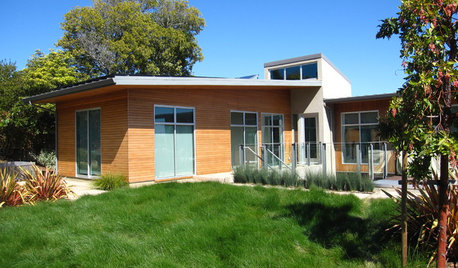
GARDENING GUIDESHow to Plant a New Lawn From Seed
Choose from more grass varieties and save money over sod by starting your lawn from seed
Full Story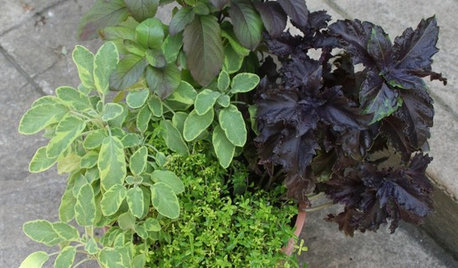
CONTAINER GARDENS8 Easy Container Plants to Grow From Seed
Get beautiful blooms and herbs in summer by starting these choice garden picks from seed in spring
Full Story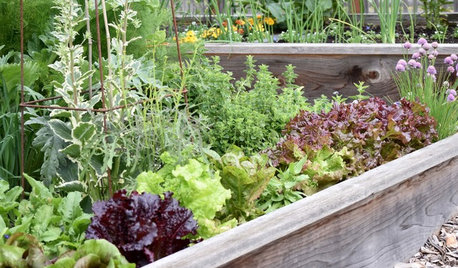
GARDENING GUIDESSeeds or Seedlings? How to Get Your Garden Started
Growing delicious herbs and vegetables starts with knowing your goals and when you want to plant
Full Story
GARDENING GUIDESUnleash Your Guerilla Gardener
Toss some seed bombs around the yard for easy, beneficial plantings
Full Story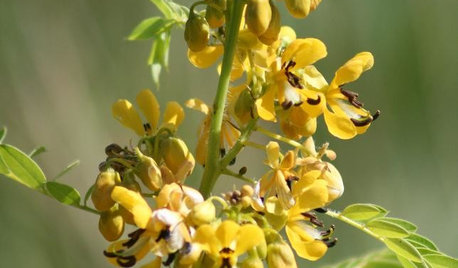
GARDENING FOR BUTTERFLIESGreat Design Plant: Senna Hebecarpa Puts on a Magical Show
Furry white tongues that develop into seeds? That's just one of this bee-bringing summer perennial's many talents
Full Story
ROCKY MOUNTAINS GARDENINGRocky Mountain Gardener's February Checklist
Get smart with your seeds, strike with oil to manage pests and practice proficient pruning — your trees and shrubs will thank you
Full Story0
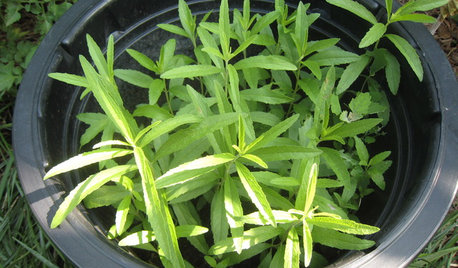
FALL GARDENINGBe Your Own Wildflower Nursery
Gather seeds from your garden in fall, and you'll have a selection of plants for next year — without spending a dime
Full Story
WINTER GARDENINGExtend Your Growing Season With a Cold Frame in the Garden
If the sun's shining, it might be time to sow seeds under glass to transplant or harvest
Full Story
SOUTHWEST GARDENINGTexas Gardener's December Checklist
Northern neighbors may be hibernating, but in the South it's time to lavish care on fruit trees, flower seeds and bulbs
Full Story
GARDENING GUIDESGreat Design Plant: Blue Sage
True blue and adored by hummingbirds, blue sage is easy to grow from seed in a sunny fall garden
Full Story

asarum
terrene
Related Professionals
Sebring Landscape Architects & Landscape Designers · Bloomington Landscape Architects & Landscape Designers · Albany Landscape Architects & Landscape Designers · Brooklyn Landscape Architects & Landscape Designers · Rochester Landscape Architects & Landscape Designers · Mesquite Landscape Architects & Landscape Designers · Jonesboro Landscape Contractors · Frederick Landscape Contractors · Chico Landscape Contractors · Vidalia Tile and Stone Contractors · Lexington Tile and Stone Contractors · Johnson City Tile and Stone Contractors · Dallas Tile and Stone Contractors · Taunton Tile and Stone Contractors · San Bernardino Tile and Stone Contractorsterrene