This year I started a bee garden.
I have 2 acres in Battleground WA, about 40 miles north of Portland OR. Some plants that I read attract bees, did not work out, some did. I also went to local nurseries and big box stores, and lurked in the plant sections watching for which plants were covered with bees, then bought some of those.
This is my list so far. Hoping to try more in 2014.
Ceanothus - the neighbor's bush, so covered with honeybees & bumble bees you could hear the bushes humming. I bought 2 of these, & added 2 more little ones from the "TLC" section of the store.
Sterile buddleia varieties - 5 varieties. Bumblebees, not honeybees, liked them. "Cobbler" varieties grew faster, but tended to look untidy with long panicles dry/brown at the bases before the end flowers opened. "Miss" varieties bushes & flowers stayed more compact. Both often had bumblebees foraging, no honeybees. Blue Chip did have rare honeybees. That was in some weeds. I forgot to water it. It didn't do much until fall.
Oregano - the flowers were always covered with honeybees, bumblebees, and some wasps. Long bloom period, mid to late summer. I moved an oregano in bloom, in the fall. Honeybees continued foraging the flowers while the plant was in the wheelbarrow & in its new location.
Shallots - I left them blooming even if that means smaller shallots. Honeybees loved them. These were "Holland" shallot from the nursery. Grocery store shallots didn't grow.
Garlic Chives - honeybees liked them. They usually love the flowers. Honeybees were not active on regular chives. They also like some ornamental allium varieties.
Lavender - honeybees love them. Always lots of bee activity when in bloom. Late summer.
Anise hyssop - long blooming, honeybees on them everyday. Long bloom season, mid summer to fall.
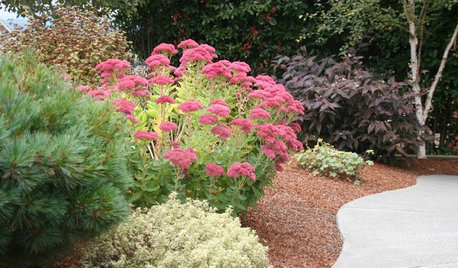
Sedum - Big flowered types like Autum Joy. Honeybees love them. Late blooming, not extended period but bloom when other bee forage is scarce. Very dry tolerant. I moved mine to new location just before bloom. They had not been watered all summer, and were wilted. After moving & watering they bloomed like crazy.
I read rosemary attracts bees but didn't see that. Also lemon balm, I have lots of that but bees ignored it. That's surprising, even the name Melissa refers to bees. Bees are supposed to like mint, but ignored my spearmint and peppermint. Last year they did forage spearmint.
Blackberries - wild. Honeybees and bumblebees all over them, late Spring.
Dandelions - considered good forage but I didn't see a lot of bee activity on my plentiful dandelions. They also didn't do much on Queen Ann's Lace.
Vegetables - there were some in the Zucchinis and Butternut squash, not a lot.
Wild cherries - very attractive for honeybees. Short Spring bloom season. They also liked Amanogawa flowering cherry but were not wild about it.
Caryopteris - always covered with honeybees. Very long summer bloom duration.
Russian sage - perovskia - moderate bee activity. Near the hyssop and caryopteris, both of which bees preferred over perovskia.
Wild hawthorn - honeybees like these & there wasn't much else for them at the time. That was late spring.
Big leaf maple - some big neighborhood trees. Difficult to see up that high, but I think the bees were very active in these trees. Not much else for them at that time, early spring.
White dutch clover - moderately active. None on red clover. I read, bumblebees can forage red clover, but honeybees cannot, due to flower tubes longer than honeybee tongue can reach. I've been spreading clover seeds in the lawn grass especially in orchard.
Vernonica - I had only one plant, bought in bloom. There was foraging activity, honeybees, not a lot. We'll see this year if it blooms longer.
Penstemon - ditto, only one plant, didn't bloom long. Bought in bloom. Maybe longer bloom period once established.
Borage - started late. I grew from seeds. Once they started blooming, there were always honeybees foraging the borage. These started blooming when the oregano was winding down, so good timing. Hard to buy plants, but grows easily from seeds.
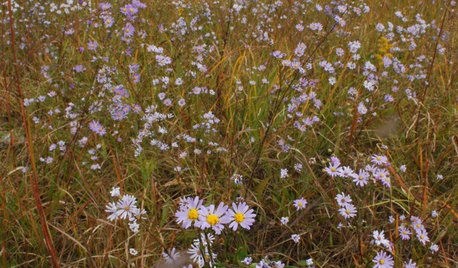
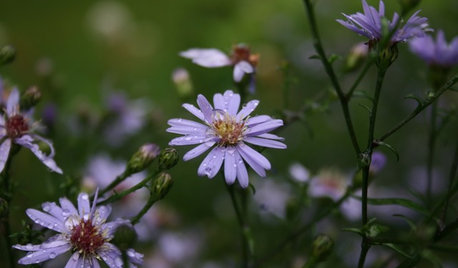
Asters - bought in bloom because honeybees were foraging them at the store. The flowers didn't last long and they seemed to die off quickly. Some, not a lot, of bee activity.
Of this list, the most visible, highly active bee foraging was on the ceanothus, caryopteris, oregano, shallots, anise hyssop, borage, hawthorn.
I have fruit trees, mostly young. I assume those will attract bees in the early Spring although with a short bloom duration. I have several young Linden Greenspire, did not bloom yet. Also a new sourwood planted this fall, said to be a good bee tree, and a new "Prairie Fire" crabapple.
For next year - all of the above if they survive the winter, should be larger and more florific. Plus ordered more seeds of borage, Phacelia tanacetifolia ("bee's friend"), much more oregano. Since 4 oclocks bloom in afternoon and are said to be fragrant, I'm trying those but who knows if they will be good bee forage or grow/bloom well here. There was another thread on those.
I pulled out an oleander because I read they are toxic to bees. Ditto for pieris, although the neighbors have them too.
Any suggestions? Appreciate comments - wanting my garden to be a little bit of a bee sanctuary.




Embothrium
UserOriginal Author
Related Professionals
Danbury Landscape Architects & Landscape Designers · Vineland Landscape Contractors · Moline Landscape Contractors · New York City Landscape Contractors · Missoula Landscape Contractors · Salt Lake City Landscape Contractors · Dalton Architects & Building Designers · Dayton Architects & Building Designers · New Braunfels Architects & Building Designers · Clarksburg Architects & Building Designers · Fort Wayne Architects & Building Designers · South Sioux City Architects & Building Designers · Portsmouth Architects & Building Designers · Buffalo Architects & Building Designers · Cleveland Architects & Building Designerslarry_gene
eukofios
Embothrium
UserOriginal Author
Noni Morrison
Embothrium
johnaberdeen
mikebotann
greenmann
UserOriginal Author
Embothrium
UserOriginal Author
mikebotann
Embothrium
greenmann
UserOriginal Author
larry_n7luf
UserOriginal Author
larry_n7luf
larry_gene
larry_n7luf