

Smoke/Fire Alarm recommendations
18 years ago
Sort by:Oldest
Comments (6)
Related Stories

HOME TECHBetter, Smarter Smoke Detectors Push All the Right Buttons
No more bashing in that smoke detector with a broomstick at 3 a.m. — if you haven't already yanked it out. Welcome the new, civilized breed
Full Story
MOST POPULAR9 Real Ways You Can Help After a House Fire
Suggestions from someone who lost her home to fire — and experienced the staggering generosity of community
Full Story
HOUSEKEEPING12 Steps to a Safe, Cozy Home for a New Year
From smoke detectors to furnace filters, let January 1 be a reminder of some must-dos around the house
Full Story
GARDENING AND LANDSCAPINGEco-Friendly Fire Pits: Casting Backyard Campfires in a New Light
Wood burning may be discouraged — even illegal in places — but that needn't mean forsaking the fire pit. Try one of these alternatives
Full Story
FIREPLACESUpdated Woodstoves Keep Home Fires Burning
Better technology means more efficiency than ever for modern woodstoves
Full Story
PATIOSSpring Patio Fix-Ups: Install an Outdoor Fireplace or Fire Pit
Make your yard the place to be by adding a fire feature that draws a crowd
Full Story
FIREPLACESRibbons of Fire: 10 Artfully Minimalist Fireplaces
Long and lean and sleek to the core, these gas-burning fireplaces make a powerful contemporary statement
Full Story
GARDENING AND LANDSCAPINGHow to Make a Stacked Stone Fire Pit
See how to build a cozy outdoor gathering place for less than $500
Full Story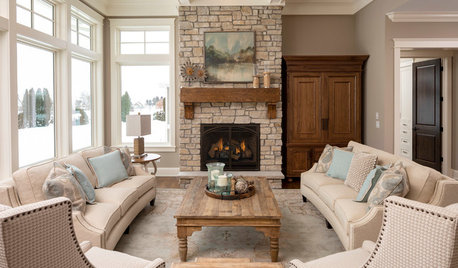
HOLIDAYSSimple Pleasures: Savoring the Season of Warmth and Light
Light up your home and lift your spirits on cold winter days with these decorative touches
Full Story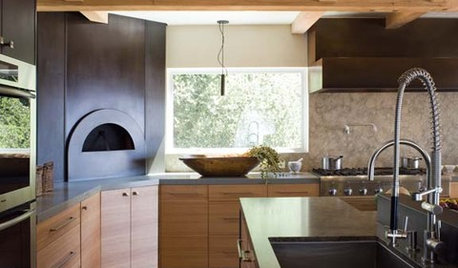
KITCHEN DESIGNKitchen Luxuries: The Wood-Fired Pizza Oven
If you love homemade pizza and are (ahem) rolling in dough, a wood-burning oven may be just the right kitchen investment
Full Story
Firehouse Painting
hest88
Related Professionals
Kissimmee Kitchen & Bathroom Designers · Wichita Falls Kitchen & Bathroom Designers · Fredericksburg Kitchen & Bathroom Designers · Sierra Vista Kitchen & Bathroom Designers · Ogden Kitchen & Bathroom Designers · Carbondale Bathroom Remodelers · Covington Bathroom Remodelers · Ardmore Bathroom Remodelers · Beckley Bathroom Remodelers · Brooklyn Bathroom Remodelers · Pittsburgh Bathroom Remodelers · Beaumont Kitchen Remodelers · Aurora Kitchen Remodelers · Fergus Falls Kitchen Remodelers · Cowansville Kitchen Remodelersmando_p
beatrix_in_canada
friedajune
heimert