

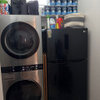
2nd Floor Laundry Room question
17 years ago
Sort by:Oldest
Comments (4)
Related Stories
REMODELING GUIDESSurvive Your Home Remodel: 11 Must-Ask Questions
Plan ahead to keep minor hassles from turning into major headaches during an extensive renovation
Full Story
KITCHEN DESIGN9 Questions to Ask When Planning a Kitchen Pantry
Avoid blunders and get the storage space and layout you need by asking these questions before you begin
Full Story
DOORS5 Questions to Ask Before Installing a Barn Door
Find out whether that barn door you love is the right solution for your space
Full Story
GREEN BUILDINGConsidering Concrete Floors? 3 Green-Minded Questions to Ask
Learn what’s in your concrete and about sustainability to make a healthy choice for your home and the earth
Full Story
FEEL-GOOD HOMEThe Question That Can Make You Love Your Home More
Change your relationship with your house for the better by focusing on the answer to something designers often ask
Full Story
MOVINGHiring a Home Inspector? Ask These 10 Questions
How to make sure the pro who performs your home inspection is properly qualified and insured, so you can protect your big investment
Full Story
REMODELING GUIDES13 Essential Questions to Ask Yourself Before Tackling a Renovation
No one knows you better than yourself, so to get the remodel you truly want, consider these questions first
Full Story
WORKING WITH PROS8 Questions to Ask Yourself Before Meeting With Your Designer
Thinking in advance about how you use your space will get your first design consultation off to its best start
Full Story
GREEN DECORATING8 Questions to Help You See Through Green Hype
With the ecofriendly bandwagon picking up some dubious passengers, here's how to tell truly green products and services from the imposters
Full Story
regus_patoff
washer_man
Related Professionals
Manhattan Kitchen & Bathroom Designers · Fort Wayne Kitchen & Bathroom Designers · Scranton Kitchen & Bathroom Designers · San Francisco Kitchen & Bathroom Designers · Glenwood Springs Kitchen & Bathroom Designers · Dalton Bathroom Remodelers · Gaithersburg Bathroom Remodelers · Waterloo Bathroom Remodelers · North Adams Bathroom Remodelers · Miami Cabinets & Cabinetry · Belleville Cabinets & Cabinetry · DeRidder Cabinets & Cabinetry · Elkton Cabinets & Cabinetry · Natchez Cabinets & Cabinetry · Portland Cabinets & Cabinetrychefnewbie
deke