

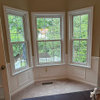
Constructing interior storm windows
19 years ago
Sort by:Oldest
Comments (5)
Related Stories

LIFEPolar Vortex: How Houzzers Are Coping With the Storm
Spirits are staying high even as the mercury plunges to new lows. Do any of these firsthand accounts sound familiar?
Full Story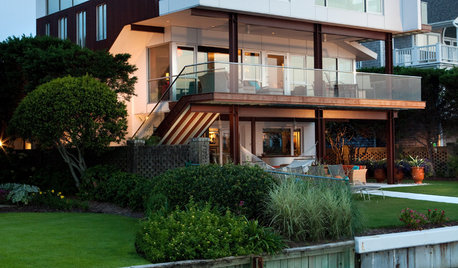
CONTEMPORARY HOMESHouzz Tour: Strong Enough for Storms, Comfy Enough for a Family
Hurricanes won’t faze this contemporary waterfront home in North Carolina — and mixed reactions don’t faze its owner
Full Story
DESIGN FOR GOODShelter in a Storm: Architects Improve Global Disaster Relief
Temporary housing takes a well-designed turn with affordable, easily stored structures that address privacy
Full Story
REMODELING GUIDESWhat to Consider Before Starting Construction
Reduce building hassles by learning how to vet general contractors and compare bids
Full Story
REMODELING GUIDESPlan Your Home Remodel: The Construction Phase
Renovation Diary, Part 3: The Dumpster arrives, and a little designing on the fly comes in handy
Full Story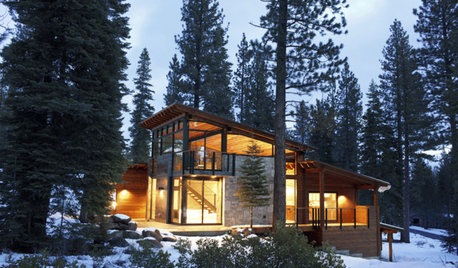
HOUZZ TOURSHouzz Tour: Cozy Mountain Retreat Near Lake Tahoe
An observation deck, a gourmet kitchen and generous helpings of windows make this California vacation home a storm watcher's paradise
Full Story
WORKING WITH PROSYour Guide to a Smooth-Running Construction Project
Find out how to save time, money and your sanity when building new or remodeling
Full Story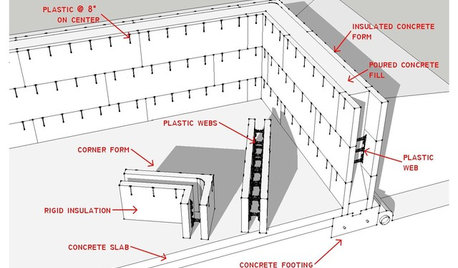
KNOW YOUR HOUSEKnow Your House: The Basics of Insulated Concrete Form Construction
Get peace and quiet inside and energy efficiency all around with this heavy-duty alternative to wood-frame construction
Full Story
REMODELING GUIDESConstruction Timelines: What to Know Before You Build
Learn the details of building schedules to lessen frustration, help your project go smoothly and prevent delays
Full Story
BUDGETING YOUR PROJECTDesign Workshop: Is a Phased Construction Project Right for You?
Breaking up your remodel or custom home project has benefits and disadvantages. See if it’s right for you
Full Story
choc-full-o-nuts
oberon476
Related Professionals
Cape Coral General Contractors · Muskogee General Contractors · Tulsa General Contractors · San Antonio General Contractors · Mansfield General Contractors · Clearlake General Contractors · Fairbanks General Contractors · Houma Home Remodeling · Ardmore Home Remodeling · San Marcos Home Remodeling · Redding Home Remodeling · Davenport Interior Designers & Decorators · Niles Interior Designers & Decorators · Eugene Interior Designers & Decorators · Victoria Interior Designers & Decoratorsgordonr
heybrook
oberon476