

Need advance on window selection
20 years ago
Sort by:Oldest
Comment (1)
Related Stories
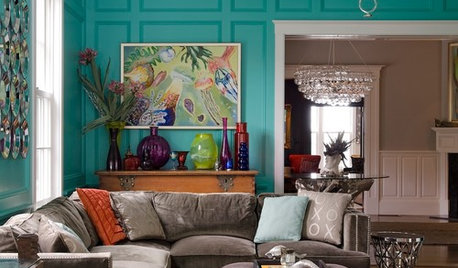
COLORSpeed-Dial Color Selection to Get the Best Result
You’ve belabored your color decisions and are still stuck. Here is how to evaluate your space and make choices that are right for you
Full Story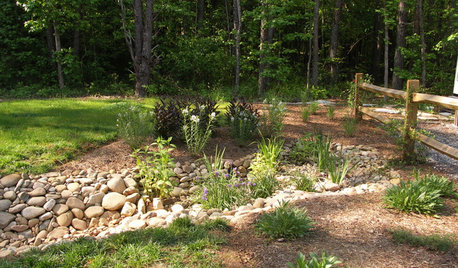
LANDSCAPE DESIGN5 Steps to Selecting the Right Plants for a Rain Garden
A simplified look at selecting plants for a rain garden
Full Story
Pro Corner: Selecting a Style for the Photos in Your Projects
Learn the key architectural and decor features to look for when categorizing your photos by design style
Full Story
KITCHEN DESIGNMagic Mirrors Emerge From Fairy Tales
Amazing advancements in computers, interfaces and glass point to a future in which smart surfaces are commonplace in the home
Full Story
WORKING WITH PROS8 Questions to Ask Yourself Before Meeting With Your Designer
Thinking in advance about how you use your space will get your first design consultation off to its best start
Full Story
DECORATING GUIDESConfident Color: When to Use Cool and Warm Hues
Change the Mood of a Room With Colors that Advance or Recede
Full Story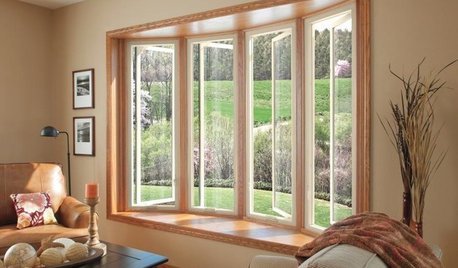
GREAT HOME PROJECTSUpgrade Your Windows for Beauty, Comfort and Big Energy Savings
Bid drafts or stuffiness farewell and say hello to lower utility bills with new, energy-efficient windows
Full Story
WINDOWSThe Art of the Window: 10 Ways to Elevate Your Bathroom
These window styles and treatments bring in natural light while creating a restful and rejuvenating ambience
Full Story
HOUZZ TOURSMy Houzz: High End Meets Budget Friendly in Toronto
Splurging selectively and saving elsewhere, a Canadian family gets a posh-looking home that matches their vision
Full Story
KITCHEN DESIGNHouzz Quiz: What Kitchen Countertop Is Right For You?
The options for kitchen countertops can seem endless. Take our quiz to help you narrow down your selection
Full Story
Sponsored

mike35
Related Professionals
Vineland General Contractors · Spring General Contractors · Bemidji General Contractors · Westerly General Contractors · Fresno General Contractors · Juneau General Contractors · Sterling General Contractors · Toronto General Contractors · Decatur Home Remodeling · Cookeville Home Remodeling · Hot Springs Interior Designers & Decorators · Pine Bluff Interior Designers & Decorators · Tallahassee Interior Designers & Decorators · Quincy Interior Designers & Decorators · Topeka Interior Designers & Decorators