

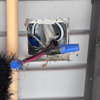
old braided wire - alternative to replacement?
17 years ago
Sort by:Oldest
Comments (4)

Related Stories
MOST POPULARKitchen Evolution: Work Zones Replace the Triangle
Want maximum efficiency in your kitchen? Consider forgoing the old-fashioned triangle in favor of task-specific zones
Full Story
LIGHTING10 Ways With Wall Lights That Don’t Need to Be Wired In
Learn how to add illumination to your home without carving into the walls
Full Story
TREESNative Plant Alternatives to Invasive Common Buckthorn
Learn how to identify and control this aggressive plant, and what to grow in its place
Full Story
KITCHEN DESIGN11 Great Alternatives to Glass-Front Cabinets
You may just break up with glass when you see these equally decorative but less fragile cabinet options
Full Story
PATTERN12 Great Decorative Alternatives to Curtains
Filter light and views while drawing the eye by dressing windows in specialty glass, artistic screens or snazzy shades
Full Story
MATERIALSMaterials Workshop: Polycarbonate — a Low-Cost Alternative to Glass
Looking for something lighter, stronger and less expensive than glass? Multiwall polycarbonate may be a good option
Full Story
UPHOLSTERYThe Perks and Perils of Reupholstering Old Furniture
Secondhand upholstered pieces can add character to a room, but beware of bugs, snakes and hidden costs
Full Story
KITCHEN OF THE WEEKKitchen of the Week: What’s Old Is New Again in Texas
A fresh update brings back a 1920s kitchen’s original cottage style
Full Story
LIGHTING10 Chandeliers for People Who Don't Like Chandeliers
Get all the chandelier benefits without channeling Liberace, thanks to wood, paper, wire — and even a surprising old-fashioned staple
Full Story
BEFORE AND AFTERSSee 6 Yards Transformed by Losing Their Lawns
Wondering whether a turf lawn is the best use of your outdoor space? These homeowners did, and they found creative alternatives
Full Story
pjb999
joed
Related Professionals
West Plains General Contractors · Marietta General Contractors · Torrington General Contractors · Brattleboro General Contractors · Bozeman General Contractors · Elizabethtown Home Remodeling · Murfreesboro Home Remodeling · Alexandria Home Remodeling · La Crosse Home Remodeling · Milwaukee Home Remodeling · Jacksonville Bathroom Remodelers · Bowling Green Bathroom Remodelers · Cape Girardeau Bathroom Remodelers · Santa Fe Bathroom Remodelers · Queens Bathroom RemodelersUpperBayGardener (zone 7)Original Author
UpperBayGardener (zone 7)Original Author