

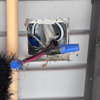
Ceiling fan light kit - problem
17 years ago
Sort by:Oldest
Comments (9)
Related Stories

CEILINGSIn the Rotation: Ceiling Fans Go Chic
Who Knew Ceiling Fans Could be Lust-Worthy? Here's How to Stay Cool in Style
Full Story
HOUSEKEEPING10 Problems Your House May Be Trying to Show You
Ignore some of these signs and you may end up with major issues. We tell you which are normal and which are cause for concern
Full Story
REMODELING GUIDESThe Hidden Problems in Old Houses
Before snatching up an old home, get to know what you’re in for by understanding the potential horrors that lurk below the surface
Full Story
TASTEMAKERSICFF 2012 Report: 10 Visionary Problem Solvers
Sure, pretty is nice, but the best designs improve our lives. These innovative products by students and companies do just that
Full Story
OUTBUILDINGSStudio Solution: A Kit Greenhouse Becomes a Creative Private Office
See how an inventive work-from-home designer made an office from a greenhouse, for some inspired thinking in the backyard
Full Story
GARDENING AND LANDSCAPINGBlow Past the Heat With an Outdoor Ceiling Fan
Drop some degrees on your porch or patio while boosting its style, with an energy-efficient ceiling fan
Full Story
LIFEThe Moving-Day Survival Kit: Lifesaving Items and Niceties
Gather these must-haves in advance for a smooth move and more comfortable first days in your new home
Full Story
FUN HOUZZWhat Could You Imagine With Lego's New Architecture Kit?
Go ahead, toy around with wild building ideas. With 1,210 all-white blocks at your disposal, it's OK to think big
Full Story
KITCHEN DESIGNHow to Choose the Right Hood Fan for Your Kitchen
Keep your kitchen clean and your home's air fresh by understanding all the options for ventilating via a hood fan
Full Story
brickeyee
joed
Related Professionals
Gary General Contractors · Manhattan General Contractors · Potsdam General Contractors · Temecula General Contractors · Selma Home Remodeling · Washington Home Remodeling · Branson Home Remodeling · Winona Home Remodeling · Potsdam Home Remodeling · Olympia Home Remodeling · York Home Remodeling · Edison Bathroom Remodelers · Carson City Bathroom Remodelers · Saint George Bathroom Remodelers · Kennewick Bathroom RemodelershomeboundOriginal Author
Ron Natalie
joed
randiaccount
Ron Natalie
randiaccount
Ron Natalie