

Residual voltage when light switch off
18 years ago
Sort by:Oldest
Comments (6)
Related Stories
DECORATING GUIDESHomeowners Are Flipping for Push-Button Light Switches
Button-style switches are hot off the presses again, making news in new homes and antique remodels
Full Story
LIGHTINGWhat to Know About Switching to LED Lightbulbs
If you’ve been thinking about changing over to LEDs but aren't sure how to do it and which to buy, this story is for you
Full Story
PRODUCT PICKSGuest Picks: Bright Ideas for Fun Light Switches
Give walls a unique spin with the kookiest switch plates and outlet covers you ever did see
Full Story
GREAT HOME PROJECTSHow to Install a Dimmer Switch
New project for a new year: Take control of your lighting to set the right mood for entertaining, dining and work
Full Story
GARDENING GUIDESHow to Switch to an Organic Landscape Plan
Ditch the chemicals for a naturally beautiful lawn and garden, using living fertilizers and other nontoxic treatments
Full Story
HOME TECHSwitch On the Phone-Controlled Home
Lock your front door from afar, let your thermostat set itself and more when you use your phone as a control device
Full Story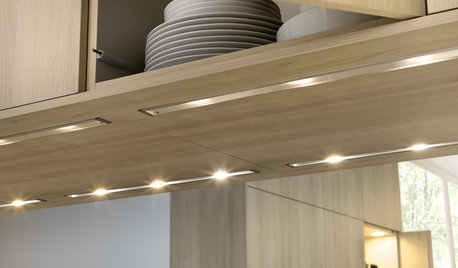
LIGHTINGWhat to Consider When Lighting Your Home
A designer offers a few illuminating insights on this key design element
Full Story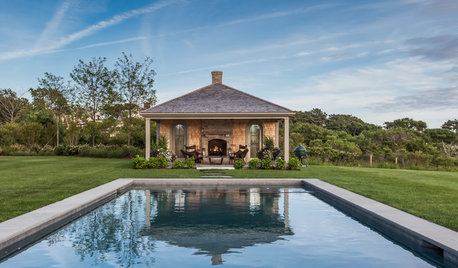
GARDENING AND LANDSCAPINGWhat You Need to Know When Considering a Cabana or Covered Patio
Learn how to plan for a covered outdoor structure, what features are available to you, how much it will cost and more
Full Story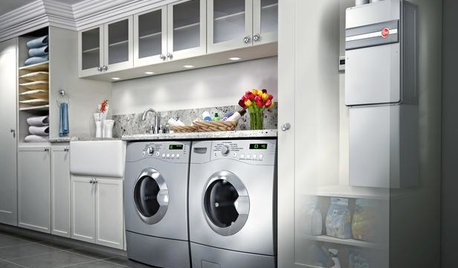
GREAT HOME PROJECTSHow to Switch to a Tankless Water Heater
New project for a new year: Swap your conventional heater for an energy-saving model — and don’t be fooled by misinformation
Full Story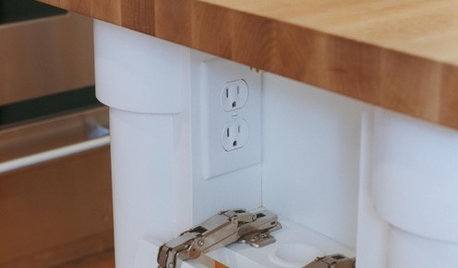
KITCHEN DESIGNHow to Hide Those Plugs and Switches
5 ways to camouflage your outlets — or just make them disappear
Full Story
hendricus
journeyman1
Related Professionals
Dalton General Contractors · Nashua General Contractors · Binghamton General Contractors · Huron General Contractors · North Platte General Contractors · Longview General Contractors · Hilo General Contractors · Terre Haute Home Remodeling · San Diego Home Remodeling · Birmingham Bathroom Remodelers · Gainesville Bathroom Remodelers · Carbondale Bathroom Remodelers · Southaven Bathroom Remodelers · San Diego Bathroom Remodelers · Victoria Bathroom Remodelerspjb999
itsunclebill
brickeyee
Geoff Ris