

Whole house surge protector....
12 years ago
Sort by:Oldest
Comments (3)
Related Stories
REMODELING GUIDES10 Tips to Maximize Your Whole-House Remodel
Cover all the bases now to ensure many years of satisfaction with your full renovation, second-story addition or bump-out
Full Story
ARCHITECTURE11 Smart Upgrades for a New House
Some upgrades are difficult or impossible to do later. Tackle these projects now to save yourself the headache
Full Story
LIFEOh Yeah, There’s a Snake in the House
A Houzz contributor lives through her worst nightmare and comes out the other side with lessons learned and new footwear
Full Story
VACATION HOMESHouzz Tour: From Ramshackle Beach Shack to Storm-Resilient House
Architects honor Old Florida style while designing a raised bungalow that can stand up to extreme weather
Full Story
UNIVERSAL DESIGNWhat to Look for in a House if You Plan to Age in Place
Look for details like these when designing or shopping for your forever home
Full Story
SMALL HOMESHouzz Tour: Rolling With Simplicity in a Tiny House on Wheels
Just 240 square feet, this California home encourages efficient living — but there’s still room for yoga
Full Story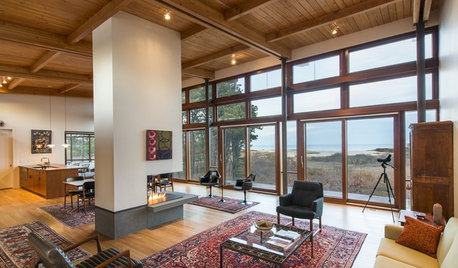
MODERN HOMESHouzz Tour: New Midcentury-Inspired House Opens Up to Ocean Views
The beachfront home in Massachusetts features a vintage Danish furniture collection
Full Story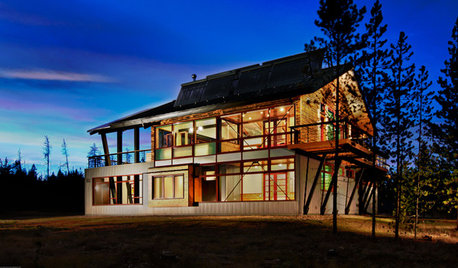
GREEN BUILDINGZero Net Energy: A Hardworking-House Term to Know
Homes that consume only as much energy as they produce by renewable means are a goal for builders. Learn what ZNE means for you
Full Story
THE POLITE HOUSEThe Polite House: How to Set Limits With Overnight Houseguests
Part 1: Establish boundaries with visitors who want to stay too long and who expect too much
Full Story
WALL TREATMENTSSee What Happens When 1 House Takes On 8 Wallpapers
A designer dives into unfamiliar territory for a color- and pattern-loving Chicago homeowner
Full Story
bus_driver
westom
Related Professionals
Charleston General Contractors · Cleveland General Contractors · Glenwood Springs General Contractors · Fairbanks General Contractors · Aberdeen Home Remodeling · Hattiesburg Home Remodeling · Elmira Home Remodeling · Lancaster Home Remodeling · Las Cruces Home Remodeling · Redding Home Remodeling · Raleigh Bathroom Remodelers · New London Bathroom Remodelers · La Crosse Bathroom Remodelers · Milwaukee Bathroom Remodelers · Pullman Bathroom Remodelerspaulusgnome