

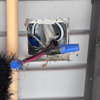
Non-power wire routing
18 years ago
Sort by:Oldest
Comments (7)
Related Stories

LANDSCAPE DESIGNTake Your Garden on a Rural Route With Plant-Dominant Designs
Let plants take center stage for a garden that recalls idyllic pastures fashioned by nature's hand
Full Story
WINDOW TREATMENTSThe Art of the Window: Power Up With Motorized Treatments
We look at 11 spots in your home where automatic shades, screens, curtains and more make sense
Full Story
GREAT HOME PROJECTSPower to the People: Outlets Right Where You Want Them
No more crawling and craning. With outlets in furniture, drawers and cabinets, access to power has never been easier
Full Story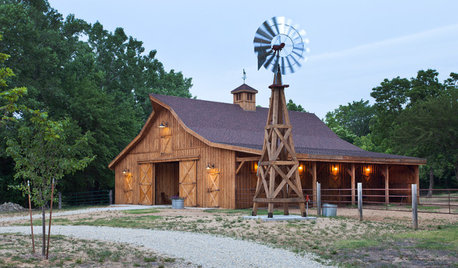
TRADITIONAL STYLEFarmhouse Style: Windmill Power Comes Around Again
Windmills helped win the West. Today these hardworking features are still winning our hearts
Full Story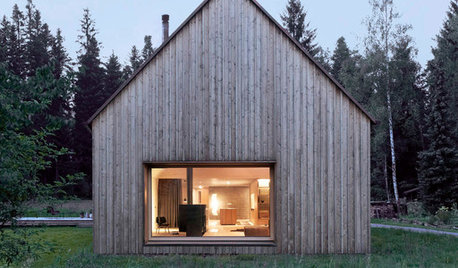
MOST POPULARA Few Words on the Power of Simplicity
An architect considers a pared-down approach to modern home design
Full Story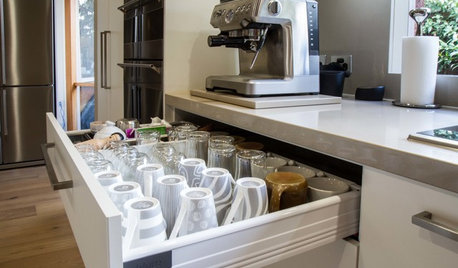
KITCHEN STORAGEPulling Power: Clever Drawer Tactics for a Kitchen
It’s not how many drawers you have in your kitchen; it’s how they work for you
Full Story
GREEN BUILDINGOff the Grid: Ready to Pull the Plug on City Power?
What to consider if you want to stop relying on public utilities — or just have a more energy-efficient home
Full Story
HOME TECHTote Your Tunes to Any Room With a Portable Wi-Fi Sound System
Free your home's music setup from wires with Wi-Fi speakers that let you take high-quality audio anywhere
Full Story
GARDENING GUIDESHow to Plant a New Lawn From Sod
Take the quick-start route to turf with sod; these installation guidelines will help ensure a healthy and long-lasting lawn
Full Story
GREAT HOME PROJECTSHate Hauling Laundry? Give Dirty Clothes the Chute
New project for a new year: Install a quick route to the laundry room
Full Story
dezwit
hexus
Related Professionals
Elkton General Contractors · Anderson General Contractors · Anniston General Contractors · Norfolk General Contractors · Poughkeepsie General Contractors · Las Cruces General Contractors · Baltimore Home Remodeling · Starkville Home Remodeling · Chattanooga Home Remodeling · Fort Worth Home Remodeling · McAllen Home Remodeling · Pullman Home Remodeling · Yakima Home Remodeling · Sheridan Home Remodeling · Coeur d'Alene Bathroom Remodelersdezwit
wired_lain
kalining
davidandkasie
kalining