

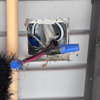
Old wiring mystery
17 years ago
Sort by:Oldest
Comments (3)
Related Stories

LANDSCAPE DESIGNGet the Mystery of a Gothic Garden for Yourself
Create an enchanting and tranquil scene with the stonework and wayward plantings of Gothic garden design
Full Story
EVENTSWho Invented the Coat Hanger, and Other Household Mysteries Solved
Learn the origins of common household objects, see patent drawings and more in a traveling exhibition
Full Story
Mystery Chic: Hauntingly Beautiful Décor
Low light, hints of the past and well-chosen accessory sets a moody scene
Full Story
DECORATING GUIDESDesign Mystery: Why Do Pineapples Sprout Up in Home Design?
Early Americans were bananas about pineapples — and we’re still reaping the benefits of the sweet fruit’s symbolism today
Full Story
LANDSCAPE DESIGNEvoke Mystery and History With Moss in the Garden
Go ahead, lie about age. Moss on garden statues, planters and pavers creates the beautifully deceptive look of time’s passing
Full Story
COLORUnravel the Mystery of Black
Venture into the shadowy world of this controversial hue; learning black's history and uses might just put it in a different light
Full Story
SHOP HOUZZShop Houzz: Down to the Wire
Versatile wire furniture and accents mesh well with all styles, from traditional to modern
Full Story0
DECORATING GUIDESFlea Market Finds: Wire Baskets
Turn Rustic-Industrial Pieces Into Chandelier, Pendant or Mobile Centerpiece
Full Story
ACCESSORIESHow to Hide Those Messy Wires
Untangle Yourself From Ugly Electrical Cords With a Few Tricks and Accessories
Full Story
DIY PROJECTSHide All Those Wires in a DIY Charging Station
Keep your gadgets handy and charged with a flexible storage board you can design yourself
Full StorySponsored

Columbus Design-Build, Kitchen & Bath Remodeling, Historic Renovations
billhart
awatson72Original Author
Related Professionals
Athens General Contractors · Grand Rapids General Contractors · South Sioux City General Contractors · Chico General Contractors · Coos Bay General Contractors · Oklahoma City Home Remodeling · Fort Wayne Home Remodeling · Albany Home Remodeling · Las Vegas Home Remodeling · Guymon Home Remodeling · Dothan Bathroom Remodelers · Annapolis Bathroom Remodelers · Tulsa Bathroom Remodelers · Los Angeles Bathroom Remodelers · Lewiston Bathroom Remodelersjoed