

Filled Stemwall vs pier foundation
11 years ago
Sort by:Oldest
Comments (8)
Related Stories
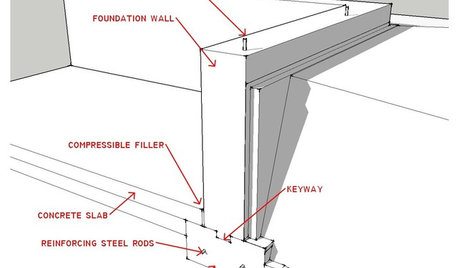
ARCHITECTUREKnow Your House: What Makes Up a Home's Foundation
Learn the components of a common foundation and their purpose to ensure a strong and stable house for years to come
Full Story
HOUZZ TOURSHouzz Tour: From Overgrown Weeds to Picturesque Farmhouse Expanse
This once-neglected 100-acre South Carolina site now features a lake, a wood-filled farmhouse and a far-reaching view
Full Story
TRAVEL BY DESIGNTravel Guide: Seattle for Design Lovers
Pioneers of the past and high-tech titans of the present make for an eclectic mix of architecture, museums, hotels and eateries
Full Story
FRANK LLOYD WRIGHTStep Inside a Frank Lloyd Wright House Saved From Demolition
The historic Phoenix property is now part of the architect’s school at Taliesin, where it will be used as a design lab
Full Story
HOUZZ TOURSHouzz Tour: Legacy Lingers in a Historic Log Cabin
Built in 1809 and remodeled for today, this Georgia cabin has both a history and a place in the lives of future generations
Full Story
BASEMENTSDesign Workshop: Is It Time to Let Basements Become Extinct?
Costly and often unnecessary, basements may become obsolete — if they aren’t already. Here are responses to every reason to keep them around
Full Story
REMODELING GUIDES7 Bad Things Your Home May Be Hiding
What you don't know about your home could cost you during a remodel. Here's what to plan for
Full Story
GREAT DESIGNERSMeet Shigeru Ban, Winner of the 2014 Pritzker Architecture Prize
This humanitarian’s vision includes inspiring new uses for everyday materials, in relief housing and other structures the world over
Full Story
MOST POPULAR12 Key Decorating Tips to Make Any Room Better
Get a great result even without an experienced touch by following these basic design guidelines
Full Story
HOUZZ TOURSHouzz Tour: Battling the Tides Results in a Wondrous House on the Water
A complex construction effort pays off big-time with unobstructed views of Blue Hill Bay in Maine
Full Story


User
robin0919
Related Professionals
Annapolis Architects & Building Designers · Cincinnati Architects & Building Designers · Zanesville Architects & Building Designers · Lewiston Architects & Building Designers · Oneonta Architects & Building Designers · Kissimmee Design-Build Firms · Amherst Design-Build Firms · Fresno Design-Build Firms · Magnolia Home Builders · Mountain Home Home Builders · Zanesville Home Builders · New Bedford Home Builders · Marinette Home Builders · Napa Home Builders · Eugene Home Buildersjosey11Original Author
BrianKnight
mattypies
edlincoln
josey11Original Author
worthy