

Ceiling fan light Problem
11 years ago
Sort by:Oldest
Comments (5)
Related Stories
HOUSEKEEPING10 Problems Your House May Be Trying to Show You
Ignore some of these signs and you may end up with major issues. We tell you which are normal and which are cause for concern
Full Story
REMODELING GUIDESThe Hidden Problems in Old Houses
Before snatching up an old home, get to know what you’re in for by understanding the potential horrors that lurk below the surface
Full Story
TASTEMAKERSICFF 2012 Report: 10 Visionary Problem Solvers
Sure, pretty is nice, but the best designs improve our lives. These innovative products by students and companies do just that
Full Story
DECORATING GUIDESThe Ceiling Fan That Blows Away Ceiling Fans' Bad Rap
Modern, simple and even usable in some outdoor spots, Ron Rezek's Cirrus ceiling fan will change your mind about this much-maligned fixture
Full Story
GARDENING AND LANDSCAPINGBlow Past the Heat With an Outdoor Ceiling Fan
Drop some degrees on your porch or patio while boosting its style, with an energy-efficient ceiling fan
Full Story
CEILINGSIn the Rotation: Ceiling Fans Go Chic
Who Knew Ceiling Fans Could be Lust-Worthy? Here's How to Stay Cool in Style
Full Story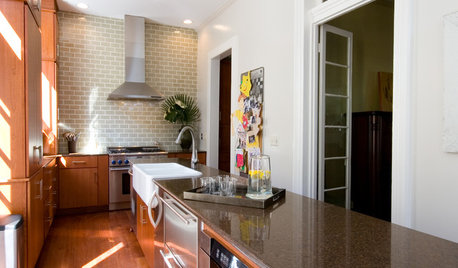
DECORATING GUIDESAre Ceiling Fans the Kiss of Death for Design?
Ceiling fans get a bad rap for being clunky and outdated, but these streamlined styles and a bevy of pros beg to differ
Full Story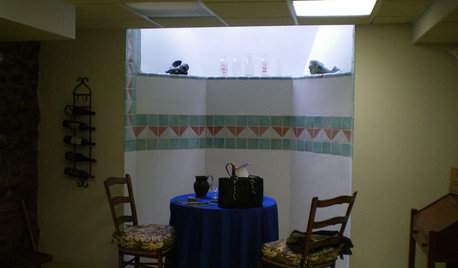
BASEMENTSBasement of the Week: High-End Problem Solving for a Show House
Dark and dated? Naturally. But this '70s-style basement had myriad other design issues too. See how the designer rose to the challenge
Full Story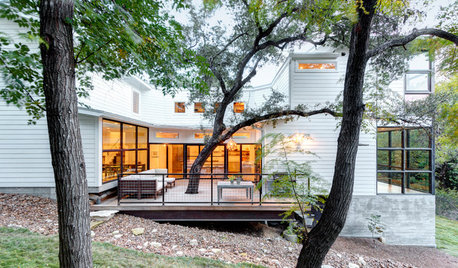
ECLECTIC HOMESHouzz Tour: Problem Solving on a Sloped Lot in Austin
A tricky lot and a big oak tree make building a family’s new home a Texas-size adventure
Full StoryCEILINGSCeiling Fans: Some Spinning Sensations
How to Match Your Fan With Your Space and Keep Cool in Style
Full Story

bus_driver
User
Related Professionals
Little Rock General Contractors · Hannibal General Contractors · Florence General Contractors · Platteville General Contractors · Sacramento General Contractors · DeRidder Home Remodeling · Chattanooga Home Remodeling · Beaumont Home Remodeling · Brainerd Home Remodeling · Allentown Home Remodeling · Rutland Home Remodeling · Del Rio Home Remodeling · Lexington Bathroom Remodelers · Austin Bathroom Remodelers · Salinas Bathroom Remodelerstoxcrusadr
Ron Natalie
ionized_gw