

differences in tree form between native persimmon cultivars?
11 years ago
Sort by:Oldest
Comments (5)
Related Stories

LANDSCAPE DESIGNFlood-Tolerant Native Trees for Soggy Soil
Swampy sites, floodplains, even standing water ... if you've got a soggy landscape, these trees are for you
Full Story
FRUIT TREESHow to Grow Your Own Persimmons
Sturdy and easy to care for, these trees offer bright fruit through winter — and keeping them in bounds is no sweat
Full Story
EDIBLE GARDENSGreat Design Plant: Persimmon
Combining beautiful fruit, vivid fall leaves and low maintenance, this tree is a winner in the garden
Full Story
GARDENING GUIDES8 Essential Native Shade Trees for the U.S. Southeast
These beauties provide cool shade in the summer and easily withstand the heat and humidity of the South
Full Story
GARDENING GUIDES10 Top California Native Plants, Trees and Grasses
Enjoy a fuss-free, water-wise garden in the Golden State by growing plants naturally in tune with the climate and wildlife
Full Story
TREESGreat Design Plant: Southern Magnolia, Iconic U.S. Native
Massive, fragrant blooms and deep green leaves set Magnolia grandiflora apart from other large shade trees
Full Story
GARDENING GUIDESGarden-Friendly Native Alternatives to Overplanted Exotics
There are lots of gorgeous, wildlife-friendly native plants ready to make an appearance in your garden
Full Story
TREES11 Japanese Maples for Breathtaking Color and Form
With such a wide range to choose from, there’s a beautiful Japanese maple to suit almost any setting
Full Story
GARDENING GUIDES15 Native Flowers That Feed Native Bees
These perennials offer superfood to hundreds of bees and are gorgeous in their own right
Full Story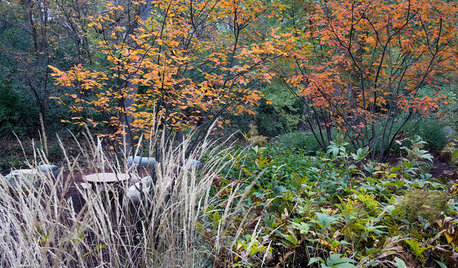
GARDENING GUIDES8 Native Shrubs for Year-Round Bird Feeding
It’s not just about berries. These plants provide insects for birds and seasonal interest for gardeners
Full Story
lucky_p
cousinfloydOriginal Author
Related Professionals
Bend Landscape Architects & Landscape Designers · Spokane Landscape Architects & Landscape Designers · Montréal Landscape Architects & Landscape Designers · Ottawa Landscape Architects & Landscape Designers · Pine Bluff Landscape Contractors · Tampa Landscape Contractors · Cambridge Landscape Contractors · Rock Hill Landscape Contractors · Riverside Landscape Contractors · Monroe Home Additions · Bloomington Home Additions · Greenfield Home Additions · Hempstead Home Additions · Hudson Home Additions · Show Low Home Additionsskyjs
lucky_p
cousinfloydOriginal Author