

Composting in early Spring
11 years ago
Sort by:Oldest
Comments (7)
Related Stories

SPRING GARDENING7 Great Container Plants for Early-Spring Appeal
Good things sometimes come to those who impatiently head to the nursery for plants that can take a chill
Full Story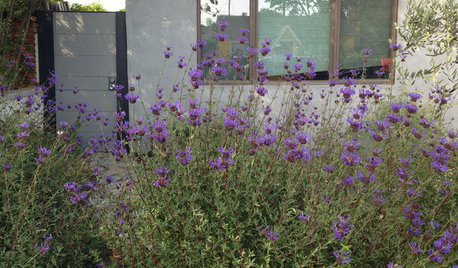
GARDENING GUIDES10 Late-Winter and Early-Spring Bloomers for the West
Tired of waiting for spring to arrive? Try these drought-tolerant, flowering plants for color that starts in late winter
Full Story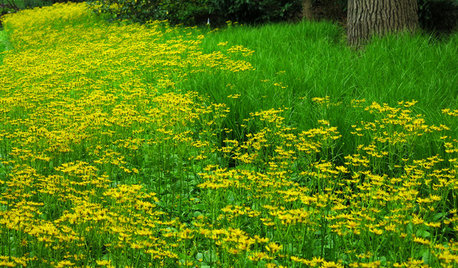
FALL GARDENING5 Native Early-Spring Bloomers to Plant This Fall
Think beyond tulips and daffodils this year with plants that you and native pollinators will love
Full Story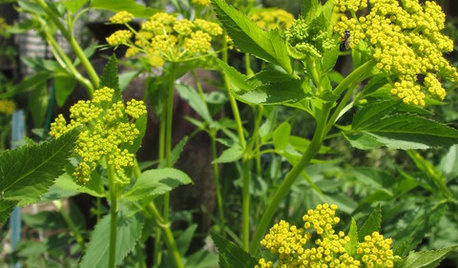
GARDENING GUIDESGreat Design Plant: Golden Alexanders for Early Spring Color
Get sunny flowers while other garden growers are still asleep, with this adaptable prairie plant beloved by butterflies
Full Story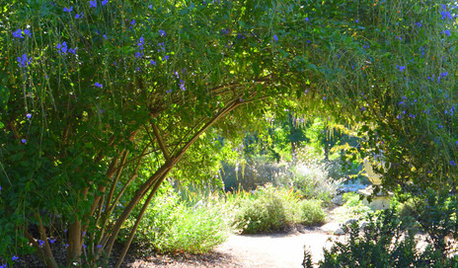
FLOWERS AND PLANTSHeat-Loving Duranta Erecta Blooms From Spring Into Early Fall
Golden dewdrops, a versatile tropical shrub, has delicate purple and white blossoms
Full Story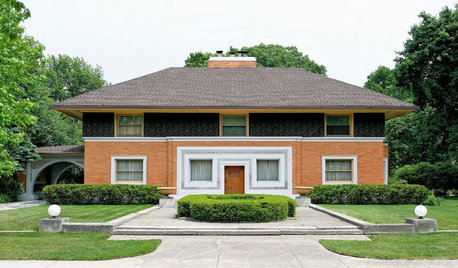
EVENTSView Frank Lloyd Wright’s Early Work on a Chicago Architecture Walk
This annual spring tour features Chicago-area homes by the master of Prairie-style architecture and those who worked with him
Full Story
GARDENING GUIDESGet on a Composting Kick (Hello, Free Fertilizer!)
Quit shelling out for pricey substitutes that aren’t even as good. Here’s how to give your soil the best while lightening your trash load
Full Story
SHOP HOUZZShop Houzz: Be the Early Bird
Get invested in every morning by updating how you wake up
Full Story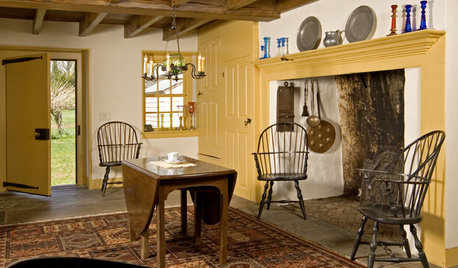
TRADITIONAL ARCHITECTURESo Your Style Is: Early American
The people we know as Pilgrims set the style stage back in 1620
Full Story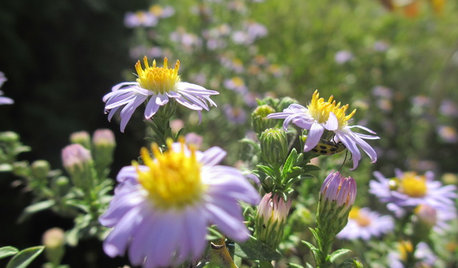
NATIVE PLANTSPlant These Fall-Flowering Natives in Early Summer for Pollinator Love
These 3 groups of plants will support masses of beneficial insects come autumn
Full Story



digdirt2
defrost49
Related Professionals
Bainbridge Landscape Architects & Landscape Designers · South Sioux City Landscape Architects & Landscape Designers · Eau Claire Landscape Architects & Landscape Designers · Farmington Landscape Architects & Landscape Designers · Salem Landscape Architects & Landscape Designers · Annapolis Landscape Contractors · Elgin Landscape Contractors · Canton Landscape Contractors · Santa Barbara Landscape Contractors · Las Vegas Landscape Contractors · Boise Landscape Contractors · Greenfield Accessory Dwelling Units · Santa Fe Accessory Dwelling Units · Kahului Accessory Dwelling Units · London Accessory Dwelling UnitsEmma LehmanOriginal Author
defrost49
balloonflower
defrost49
purslanegarden