

seperate grounds not allowed?
11 years ago
Sort by:Oldest
Comment (1)

Related Stories
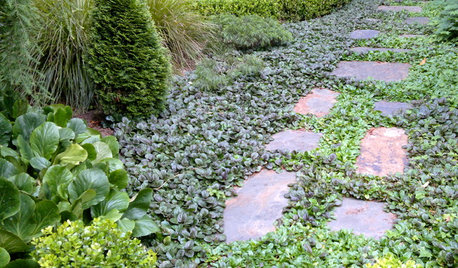
GROUND COVERSGround Force: 10 Top Ground Covers for Your Garden
Protect your soil from weeds and drought this summer with a living mulch of ground covers
Full Story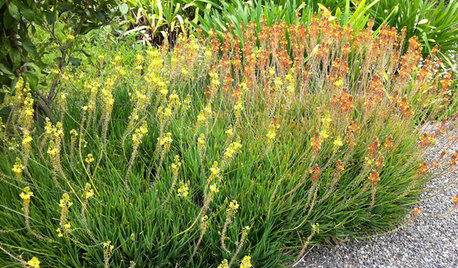
GARDENING GUIDES6 Dependable Ground Covers for Warm Climates
Swap some lawn for these drought-tolerant clumping plants — and watch your maintenance efforts diminish while they easily grow
Full Story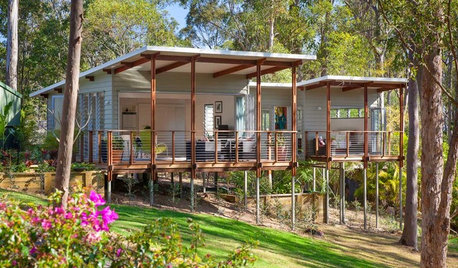
ARCHITECTUREStilt Houses: 10 Reasons to Get Your House Off the Ground
Here are 10 homes that raise the stakes, plus advice on when you might want to do the same
Full Story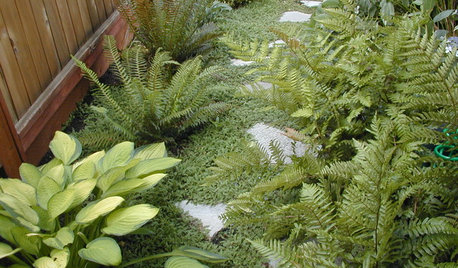
LANDSCAPE DESIGN6 Great Ways With Garden Ground Covers
Use them as problem solvers, weed killers, color and texture providers ... ground cover plants have both practical and visual appeal
Full Story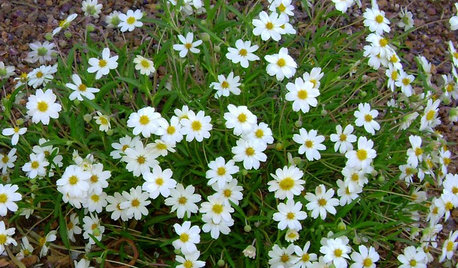
GROUND COVERSGreat Design Plant: Blackfoot Daisy for Prettier Dry Ground
Don’t let its delicate looks fool you. This ground cover can survive extreme cold and heat, and with little water to boot
Full Story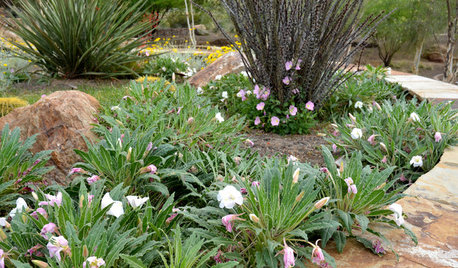
GARDENING GUIDES10 Native Ground Covers for Southwestern Landscapes
Create a carpet of color in your landscape with one or more of these sun-loving plants
Full Story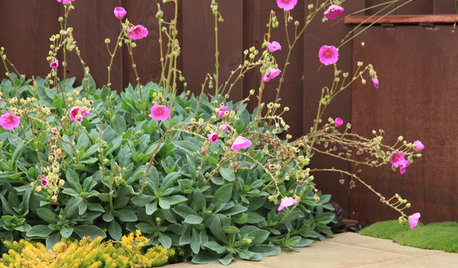
GROUND COVERS10 Succulents That Make Pretty, Easy-Care Ground Covers
These low-growing succulents create interest in the drought-tolerant garden
Full Story
GREEN BUILDINGThe Big Freeze: Inventors Break New Ground to Keep Things Cool
Old-fashioned fridges can be energy guzzlers, but there are more eco-friendly ways of keeping food fresh, as these global innovations show
Full Story
DECORATING GUIDESNo Neutral Ground? Why the Color Camps Are So Opinionated
Can't we all just get along when it comes to color versus neutrals?
Full Story
BASEMENTSBasement of the Week: From Dumping Ground to Family Hangout
With a lounge, home office and playroom, everyone's covered in this renovated Seattle basement
Full Story

User
Related Professionals
Albany General Contractors · Atlanta General Contractors · Portsmouth General Contractors · Aurora General Contractors · Grand Forks General Contractors · Vernal General Contractors · Olympia General Contractors · Durango Home Remodeling · Farmington Home Remodeling · Cookeville Bathroom Remodelers · Murfreesboro Bathroom Remodelers · Bennington Bathroom Remodelers · Monroe Bathroom Remodelers · San Bernardino Bathroom Remodelers · Sarnia Bathroom Remodelers