

Refrigerator pickle safety question
11 years ago
Sort by:Oldest
Comments (8)

Related Stories
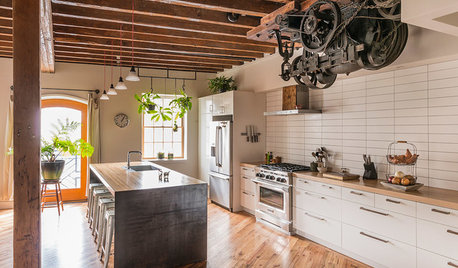
GREEN BUILDINGHouzz Tour: Pickle Factory Now an Energy-Wise Live-Work Space
A charming but poorly insulated 1880s Philadelphia commercial building becomes a spacious energy-efficient home and studio
Full Story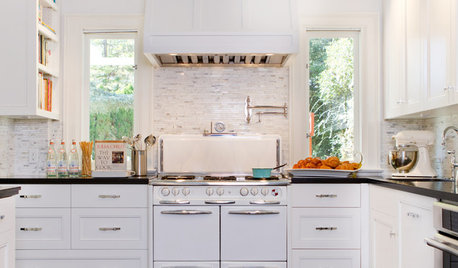
VINTAGE STYLERevel in Retro With Vintage and New Kitchen Appliances
Give your kitchen old-fashioned charm with refrigerators and stoves that recall yesteryear — even if they were made just yesterday
Full Story
HOUSEKEEPINGHow to Clean Your Fridge, Inside and Out
Keep your refrigerator clean and fresh, while you gain storage space and lose those ‘UFOs’
Full Story
KITCHEN DESIGNHow to Set Up a Kitchen Work Triangle
Efficiently designing the path connecting your sink, range and refrigerator can save time and energy in the kitchen
Full Story
MOST POPULARWhat to Do After a Hurricane or Flood
How you treat your home after a natural disaster can make all the difference in its future livability — and your own personal safety
Full Story
KITCHEN DESIGNA Cook’s 6 Tips for Buying Kitchen Appliances
An avid home chef answers tricky questions about choosing the right oven, stovetop, vent hood and more
Full Story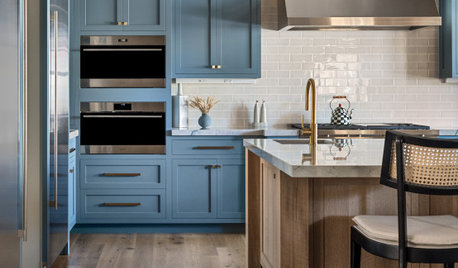
REMODELING GUIDES10 Things to Ask Your Contractor Before You Start Your Project
Ask these questions before signing with a contractor for better communication and fewer surprises
Full Story

DECORATING GUIDES8 Reasons to Jump Off the DIY Bandwagon
You heard right. Stop beating yourself up for not making stuff yourself, and start seeing the bright side of buying from others
Full Story
WORKING WITH PROSInside Houzz: No More Bumper Cars in This Remodeled Kitchen
More space, more storage, and the dogs can stretch out now too. A designer found on Houzz creates a couple's just-right kitchen
Full Story
digdirt2
Anne WolfleyOriginal Author
Related Professionals
Omaha Landscape Architects & Landscape Designers · Elmira Landscape Architects & Landscape Designers · Providence Landscape Architects & Landscape Designers · Clearlake Landscape Architects & Landscape Designers · Toronto Landscape Architects & Landscape Designers · Sebring Landscape Contractors · Rock Hill Landscape Contractors · Middletown Landscape Contractors · Westerly Landscape Contractors · Rutland Landscape Contractors · Covington Home Builders · Natchitoches Home Builders · Vineland Home Builders · Marietta Home Builders · Harrisburg Home Buildersredtartan
digdirt2
laceyvail 6A, WV
redtartan
redtartan
digdirt2