

melon cross-pollination?
Sort by:Oldest
Comments (10)
Related Stories
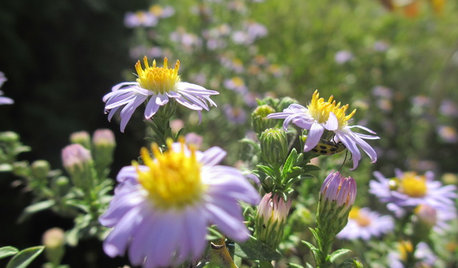
NATIVE PLANTSPlant These Fall-Flowering Natives in Early Summer for Pollinator Love
These 3 groups of plants will support masses of beneficial insects come autumn
Full Story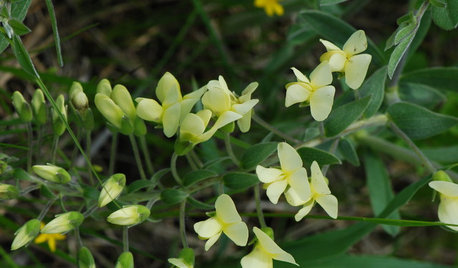
FLOWERS AND PLANTSPlant Baptisia Bracteata for Blooms Pollinators Will Love
Longbract wild indigo is great in dry soil, and its spring flowers attract butterflies and bumblebees
Full Story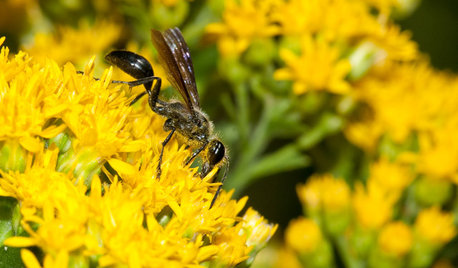
GARDENING GUIDESMeet the Grass-Carrying Wasp, a Gentle Pollinator of Summer Flowers
These fascinating insects nest in wood cavities and hollow plant stems
Full Story
EDIBLE GARDENSGarden BFFs? Why Your Vegetables Are Begging for Companion Plants
Foster friendships among plants for protection from pests, pollination support and color camaraderie
Full Story
GARDENING AND LANDSCAPINGBid Bad Garden Bugs Goodbye and Usher In the Good
Give ants their marching orders and send mosquitoes moseying, while creating a garden that draws pollinators and helpful eaters
Full Story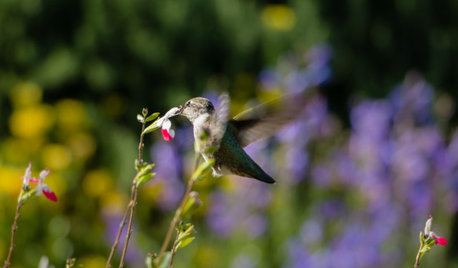
GARDENING GUIDESAttract Hummingbirds and Bees With These Beautiful Summer Flowers
Roll out a welcome mat for pollinators to keep your landscape in balance and thriving
Full Story
FARM YOUR YARDHello, Honey: Beekeeping Anywhere for Fun, Food and Good Deeds
We need pollinators, and they increasingly need us too. Here, why and how to be a bee friend
Full Story
GARDENING GUIDESWhat Prairies Teach Us About Garden Design
Wild spaces offer lessons for home gardeners about plants, pollinators and the passage of time
Full Story
GARDENING GUIDESGreat Design Plant: Asclepias Incarnata for a Butterfly Garden
Beautiful swamp milkweed makes it easy to help monarchs and other pollinators in eastern U.S. gardens
Full Story
FRUIT TREESHow to Grow Your Own Juicy Plums
Easier than other stone fruits and with a variety of colors to choose from, plums are a versatile garden addition
Full Story

Peter (6b SE NY)
farmerdill
Related Professionals
Fayetteville Landscape Architects & Landscape Designers · Tampa Landscape Architects & Landscape Designers · Atlanta Landscape Architects & Landscape Designers · Belleville Landscape Architects & Landscape Designers · Tulsa Landscape Architects & Landscape Designers · Detroit Landscape Architects & Landscape Designers · Eau Claire Landscape Architects & Landscape Designers · Milwaukee Landscape Architects & Landscape Designers · Oshkosh Landscape Architects & Landscape Designers · Selma Landscape Contractors · Jacksonville Landscape Contractors · York Landscape Contractors · San Antonio Landscape Contractors · Taunton Landscape Contractors · Flagstaff Accessory Dwelling Unitsdaninthedirt (USDA 9a, HZ9, CentTX, Sunset z30, Cfa)Original Author
Peter (6b SE NY)
daninthedirt (USDA 9a, HZ9, CentTX, Sunset z30, Cfa)Original Author
Peter (6b SE NY)
rgreen48
daninthedirt (USDA 9a, HZ9, CentTX, Sunset z30, Cfa)Original Author
theforgottenone1013 (SE MI zone 5b/6a)
Louise