

Cucumber Growing Secrets
11 years ago
Sort by:Oldest
Comments (10)
Related Stories
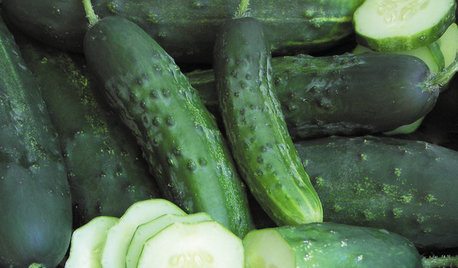
SUMMER FRUITS AND VEGETABLESSummer Crops: How to Grow Cucumbers
Pick a peck for pickles or opt for fewer and raw — no matter how you slice them, cucumbers are great for summer gardens small to large
Full Story
FARM YOUR YARDHow to Grow Vegetables in Containers
Get glorious vegetables and fruits on your patio with a pro’s guidance — including his personal recipe for potting mix
Full Story
FARM YOUR YARD6 Things to Know Before You Start Growing Your Own Food
It takes time and practice, but growing edibles in the suburbs or city is possible with smart prep and patience
Full Story
GREEN BUILDINGGreen Grows Up: The Many Faces of Today's LEED Homes
While LEED-certified homes have some common characteristics, the rest is up to your imagination
Full Story
COOL-SEASON CROPSCool-Season Vegetables: How to Grow Salad Greens
From arugula to radicchio, greens have taken a top spot on the table and in fall and winter gardens. See how to start growing them now
Full Story
EDIBLE GARDENSHouzz Call: Where Are the Craziest Places You Grow Edibles?
Basil in a bathtub, spinach stacked up a wall ... If your edibles occupy an odd spot, we’d like to know
Full Story
EDIBLE GARDENSSummer Crops: How to Grow Squash
Almost foolproof and with cheerful flowers, squash comes in a wide range of varieties to plant in spring
Full Story
URBAN GARDENSContainers Make Growing Edibles a Cinch
If life hands you a lack of land, grow lemons — with a few basics, you can proudly reap the fruits, veggies and herbs of your labor
Full Story
EDIBLE GARDENSHow to Grow Your Own Cocktail Garden
Conceivably, anything edible could find its way into a cocktail. Why not make the route rather short?
Full Story
EDIBLE GARDENSSummer Crops: How to Grow Pumpkins
Start in spring to grow your own fall decorations and have plenty left for pies
Full Story


catherinet
digdirt2
Related Professionals
Topeka Landscape Architects & Landscape Designers · Baltimore Landscape Architects & Landscape Designers · Miami Landscape Architects & Landscape Designers · Charleston Landscape Architects & Landscape Designers · Worthington Landscape Architects & Landscape Designers · Buffalo Landscape Architects & Landscape Designers · Canton Landscape Architects & Landscape Designers · Cornwall Landscape Architects & Landscape Designers · Beatrice Landscape Contractors · Hudson Landscape Contractors · Athens Accessory Dwelling Units · Anderson Accessory Dwelling Units · Manchester Accessory Dwelling Units · Wausau Accessory Dwelling Units · Anchorage Accessory Dwelling UnitsfireduckOriginal Author
jean001a
bcomplx
fireduckOriginal Author
digdirt2
fireduckOriginal Author
tigrikt (Central NJ/6b)
digdirt2