

Southern Firs
11 years ago
Featured Answer
Sort by:Oldest
Comments (16)
 11 years ago
 11 years ago
Related Professionals
Richmond Landscape Architects & Landscape Designers · Houma Landscape Architects & Landscape Designers · Lynchburg Landscape Architects & Landscape Designers · Olean Landscape Architects & Landscape Designers · Seattle Landscape Architects & Landscape Designers · Charlottesville Landscape Contractors · Waterbury Landscape Contractors · Lafayette Landscape Contractors · Montgomery Home Builders · Owensboro Home Builders · Manchester Home Builders · Durango Home Builders · Pueblo Home Builders · Scottsbluff Home Builders · Chatham Home Builders- 11 years ago
 11 years ago
- 11 years ago
- 11 years ago
- 11 years ago
 11 years agolast modified: 11 years ago
- 11 years agolast modified: 11 years ago
- 11 years ago
- 11 years agolast modified: 11 years ago
- 11 years ago
- 11 years ago
- 11 years agolast modified: 11 years ago

Related Stories
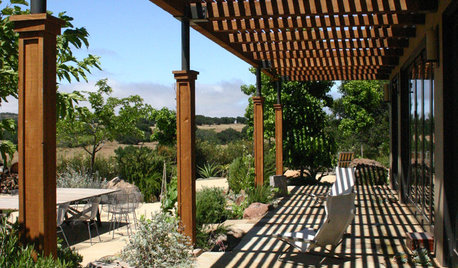
PATIOSPatio Details: A Shaded Patio Opens Up the View in Wine Country
A Douglas fir and metal pergola offers shelter from the hot sun on this scenic California property
Full Story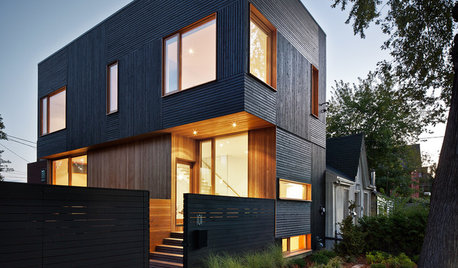
CURB APPEALEntry Recipe: Warmth, Style and Privacy in Toronto
A front porch dominated by wood and glass rises and pivots toward a side courtyard sheltered from street traffic
Full Story
HOLIDAYSHow to Care for Your Christmas Tree
Keep your tree looking lush until the last ornament is packed away with these tips for watering, using stands and more
Full Story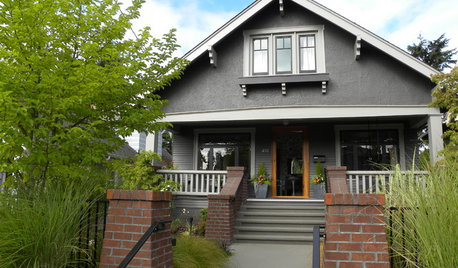
ARCHITECTURERoots of Style: See What Defines a Craftsman Home
Charming features and intimate proportions have made Craftsman houses an American favorite. See their common details and variations
Full Story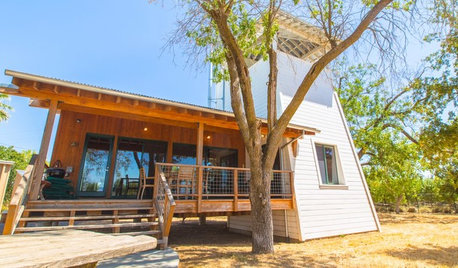
HOUZZ TOURSHouzz TV: See a Modern Family Farmhouse That Can Pick Up and Move
In the latest episode of Houzz TV, watch California architect build a beautifully practical cabin to jumpstart his parents' new farm
Full Story
LANDSCAPE DESIGNCircle Round for Great Garden Design
Circular thinking can be a boon in creating eye-catching landscapes. Here's how to put the shape to best use
Full Story
HOUZZ TOURSRare Modernist Home Uncovered in Palm Springs
A custom home by modernist William Krisel gets restored and updated
Full Story
GARDENING GUIDESBackyard Birds: Northern Cardinals in the Snow, and Other Red Birds
Brilliant crimson feathers make these friends stand out in a crowd
Full Story
GREEN BUILDINGHouzz Tour: Efficiency Comes Into Play in the English Countryside
This light and airy family home in Hampshire was constructed using local materials and is packed with eco-friendly features
Full Story
HOUZZ TOURSHouzz Tour: A Straw-Bale Getaway With Sweeping Views
Using passive solar and other green building methods, this Colorado home creates an energy-conscious vacation spot for a family of 5
Full Story
severnside