

Having fun feeding the fly larvae
11 years ago
last modified: 11 years ago
Sort by:Oldest
Comments (5)
Related Stories
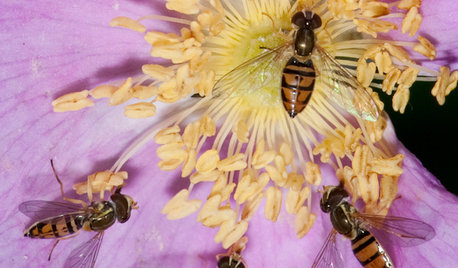
GARDENING GUIDESThis Fly Is One of the Most Beneficial Insects Around
Meet the syrphid fly, a colorful pollinator that also beats chemicals for controlling aphids and other garden pests
Full Story
MOST POPULARHow to Get Rid of Those Pesky Summer Fruit Flies
Learn what fruit flies are, how to prevent them and how to get rid of them in your home
Full Story
GARDENING GUIDES15 Native Flowers That Feed Native Bees
These perennials offer superfood to hundreds of bees and are gorgeous in their own right
Full Story
FUN HOUZZ11 Ways to Have More Fun at Home
Every house needs a touch of humor — a funny sign or an accessory that always makes you smile. Here’s where to begin
Full Story
GARDENING AND LANDSCAPINGBe a Citizen Scientist to Help Wildlife, Learn and Have Fun Too
Track butterflies, study birds, capture stars ... when you aid monitoring efforts, you’re lending Mother Nature a hand
Full Story
NORTHEAST GARDENINGNortheast Gardener's January Checklist
Feed the bees, support local garden clubs and have fun with natives to get your garden looking its best in 2013
Full Story
PETSSee a Deluxe 'Catio' Built for Feline Fun
Sixteen lucky cats get the run of a protected outdoor patio with ramps, steps and even a koi pond
Full Story
FARM YOUR YARDHello, Honey: Beekeeping Anywhere for Fun, Food and Good Deeds
We need pollinators, and they increasingly need us too. Here, why and how to be a bee friend
Full Story
GARDENING FOR BUTTERFLIESA Quick-Start Guide to Bird-Watching for Fun and Learning
Set out some seed and grab your field guide. Bird-watching is an easy, entertaining and educational activity for the whole family
Full Story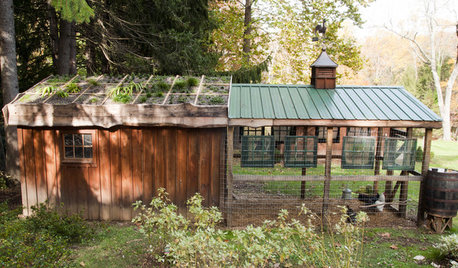
FARM YOUR YARDHouzz Call: Show Us Your One-of-a-Kind Chicken Coops
Do you have a fun or stylish backyard shelter for your feathered friends? Post your pictures and stories in the Comments!
Full Story
Jon Biddenback
purslanegardenOriginal Author
Related Professionals
Muskogee Landscape Architects & Landscape Designers · Waterbury Landscape Architects & Landscape Designers · Rochester Landscape Architects & Landscape Designers · Bronx Landscape Architects & Landscape Designers · Spring Landscape Contractors · Fargo Landscape Contractors · Omaha Landscape Contractors · Hackettstown Landscape Contractors · Erie Landscape Contractors · Temecula Landscape Contractors · Coos Bay Landscape Contractors · Ashland Stone, Pavers & Concrete · Huntington Stone, Pavers & Concrete · Eau Claire Stone, Pavers & Concrete · Anchorage Stone, Pavers & Concreteclaireplymouth z6b coastal MA
purslanegardenOriginal Author
claireplymouth z6b coastal MA