

New Raised Beds Under Construction
11 years ago
Sort by:Oldest
Comments (5)
Related Stories

GARDENING GUIDES8 Materials for Raised Garden Beds
Get the dirt on classic and new options for raised vegetable and plant beds, to get the most from your year-round garden
Full Story
GARDENING AND LANDSCAPINGBuild a Raised Bed to Elevate Your Garden
A bounty of homegrown vegetables is easier than you think with a DIY raised garden bed to house just the right mix of soils
Full Story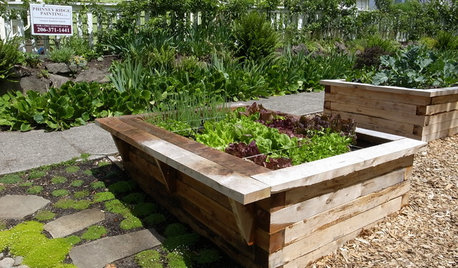
FARM YOUR YARDHow to Build a Raised Bed for Your Veggies and Plants
Whether you’re farming your parking strip or beautifying your backyard, a planting box you make yourself can come in mighty handy
Full Story
WORKING WITH PROSYour Guide to a Smooth-Running Construction Project
Find out how to save time, money and your sanity when building new or remodeling
Full Story
HOUZZ TOURSHouzz Tour: A Radical Reconstruction Raises an Austin Home
With a new second floor and some room swapping downstairs, this 1935 Texas bungalow now fits an architect and his family beautifully
Full Story
HOUZZ TOURSHouzz Tour: Innovative Home Reunites Generations Under One Roof
Parents build a bright and sunny modern house where they can age in place alongside their 3 grown children and significant others
Full Story
HOUZZ TOURSHouzz Tour: Rammed Earth and Vineyard Views Stun Down Under
Tightly edited colors and materials let nature shine, while solar panels and a passive orientation help this home tread lightly on the earth
Full Story
REMODELING GUIDESUnion Jack Balustrades Raise the Flag for Railing Style
Do be cross with your porch and deck railings — this intersecting balustrade design shows admirable attention to detail
Full Story
KITCHEN CABINETSCabinets 101: How to Choose Construction, Materials and Style
Do you want custom, semicustom or stock cabinets? Frameless or framed construction? We review the options
Full Story
BUDGETING YOUR PROJECTDesign Workshop: Is a Phased Construction Project Right for You?
Breaking up your remodel or custom home project has benefits and disadvantages. See if it’s right for you
Full Story

LoneJack Zn 6a, KC
craigodemOriginal Author
Related Professionals
Wilmington Landscape Architects & Landscape Designers · Evansville Landscape Architects & Landscape Designers · Danville Landscape Architects & Landscape Designers · Springfield Landscape Architects & Landscape Designers · Savannah Landscape Contractors · Hopkinsville Landscape Contractors · Aberdeen Landscape Contractors · Knoxville Landscape Contractors · Worthington Landscape Contractors · Lewiston Landscape Contractors · Bismarck Landscape Contractors · San Antonio Accessory Dwelling Units · Kalamazoo Accessory Dwelling Units · Rochester Accessory Dwelling Units · Billings Accessory Dwelling Unitsdigdirt2
LoneJack Zn 6a, KC
craigodemOriginal Author