

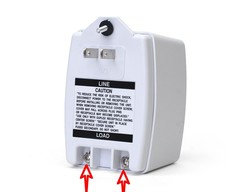
Possible to hardwire a low voltage transformer?
10 years ago
last modified: 10 years ago
Featured Answer
Sort by:Oldest
Comments (7)
Related Professionals
West Palm Beach General Contractors · Quincy General Contractors · Saint Joseph General Contractors · Killeen General Contractors · Amherst General Contractors · Beatrice General Contractors · Houston Home Remodeling · Albany Home Remodeling · Natchitoches Bathroom Remodelers · Harrisonburg Bathroom Remodelers · Roanoke Bathroom Remodelers · Chillicothe Bathroom Remodelers · Rutland Bathroom Remodelers · Provo Bathroom Remodelers · Honolulu Bathroom Remodelers 10 years agolast modified: 10 years ago
 PRO10 years ago
- 10 years ago

Related Stories

INSIDE HOUZZSee the Results: The Houzz/Lowe’s Dream Kitchen Sweepstakes
An interior designer and products from Lowe’s help this homeowner fulfill a kitchen dream
Full Story
HOUZZ TOURSMy Houzz: Twister Damage Sparks a Whole Ranch Remodel
A Dallas couple transforms their traditional rambler into a bright, family-centered haven after a tornado
Full Story
HEALTHY HOMEBath Design: Renew Body and Mind With Colorful Light
Take one tired, stressed-out self. Rinse in a shower bathed in blue light (or any color you like). Repeat
Full Story
LIGHTING10 Ways With Wall Lights That Don’t Need to Be Wired In
Learn how to add illumination to your home without carving into the walls
Full Story
CRAFTSMAN DESIGNHouzz Tour: Happiness Reigns in a Seattle Home
A newly retired couple remodel their home to make it more beautiful, energy efficient and accessible
Full Story
REMODELING GUIDES10 Tips for Renovating Your Basement
A professional contractor shares her tips on what to consider before you commit to a basement remodel
Full Story
THE ART OF ARCHITECTUREDesign Practice: 11 Ways Architects Can Overcome Creative Blocks
When inspiration remains elusive, consider these strategies for finding your creative muse
Full Story
LIGHTINGThe Lowdown on High-Efficiency LED Lighting
Learn about LED tapes, ropes, pucks and more to create a flexible and energy-efficient lighting design that looks great
Full Story
HOUZZ TOURSMy Houzz: A Sherbet-Colored Kitchen and a Spa-Like Bath
Portland, Oregon, homeowners update their 1950s ranch to create their dream ‘glass house’
Full Story
CLOSETSOrganizing Tips from a Hollywood Dream Closet
Drool over a movie-maker's boutique-like closet, then pick up ideas for your own tidy, well-lit space
Full Story
Ron Natalie