

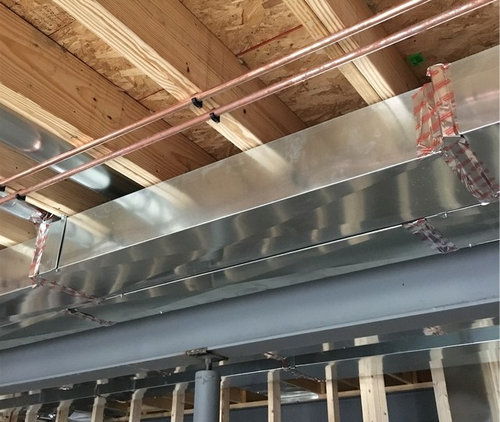
New Construction Plumbing Question
10 years ago
Featured Answer
Sort by:Oldest
Comments (13)
 10 years ago
- 10 years ago
Related Professionals
Jacksonville Architects & Building Designers · Sugar Land Architects & Building Designers · Chillicothe Architects & Building Designers · Sacramento Architects & Building Designers · Elk City Design-Build Firms · Enid Home Builders · Memphis Home Builders · Wichita Falls Home Builders · Muskegon Home Builders · Traverse City Home Builders · Fargo Home Builders · Jamestown Home Builders · Laconia Home Builders · Lewiston Home Builders · Cheyenne Home Builders- 10 years agolast modified: 10 years ago
- PRO10 years ago
- 10 years ago
 10 years ago
- 10 years ago
- 10 years ago
- 10 years ago
 10 years ago
- 10 years agolast modified: 10 years ago
- 10 years ago
Related Stories
REMODELING GUIDESConsidering a Fixer-Upper? 15 Questions to Ask First
Learn about the hidden costs and treasures of older homes to avoid budget surprises and accidentally tossing valuable features
Full Story
REMODELING GUIDESSurvive Your Home Remodel: 11 Must-Ask Questions
Plan ahead to keep minor hassles from turning into major headaches during an extensive renovation
Full Story
KITCHEN DESIGN9 Questions to Ask When Planning a Kitchen Pantry
Avoid blunders and get the storage space and layout you need by asking these questions before you begin
Full Story
WORKING WITH PROS10 Questions to Ask Potential Contractors
Ensure the right fit by interviewing general contractors about topics that go beyond the basics
Full Story
DOORS5 Questions to Ask Before Installing a Barn Door
Find out whether that barn door you love is the right solution for your space
Full Story
WORKING WITH PROS9 Questions to Ask a Home Remodeler Before You Meet
Save time and effort by ruling out deal breakers with your contractor before an in-person session
Full Story
MOVINGHiring a Home Inspector? Ask These 10 Questions
How to make sure the pro who performs your home inspection is properly qualified and insured, so you can protect your big investment
Full Story
WORKING WITH PROS8 Questions to Ask Yourself Before Meeting With Your Designer
Thinking in advance about how you use your space will get your first design consultation off to its best start
Full Story
SELLING YOUR HOUSE15 Questions to Ask When Interviewing a Real Estate Agent
Here’s what you should find out before selecting an agent to sell your home
Full Story
KITCHEN CABINETSCabinets 101: How to Choose Construction, Materials and Style
Do you want custom, semicustom or stock cabinets? Frameless or framed construction? We review the options
Full Story
geoffrey_b