Software
Houzz Logo Print
davec553

Tylecodon advice

10 years ago

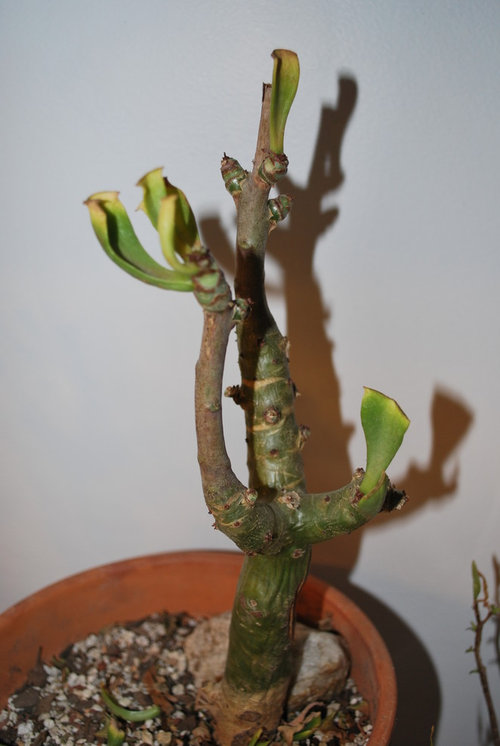
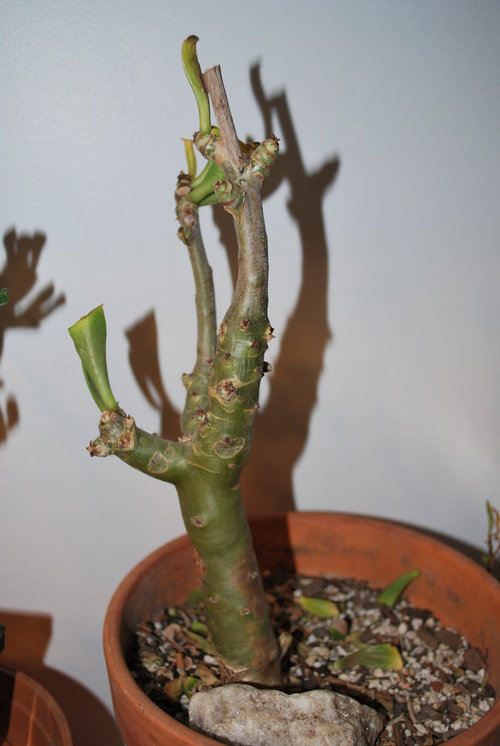
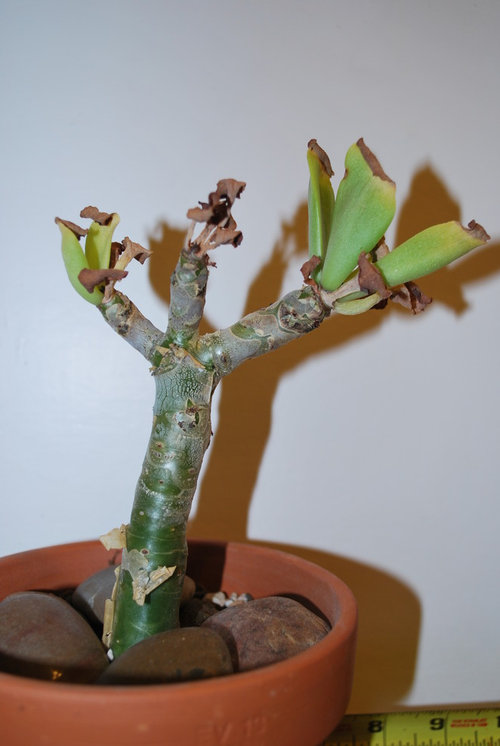
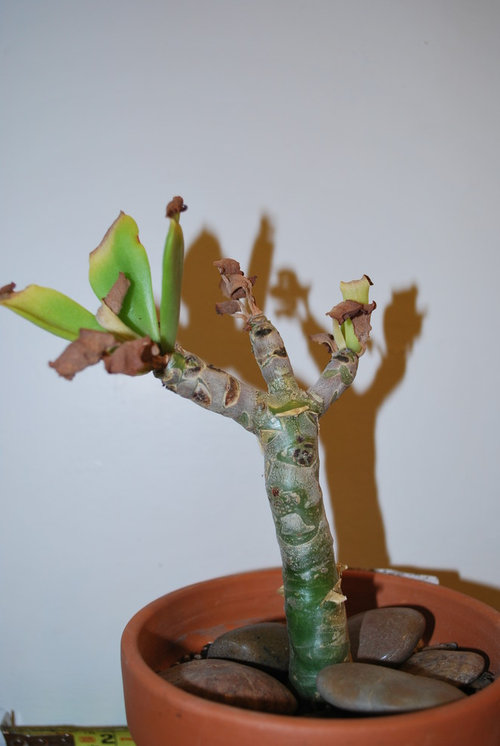
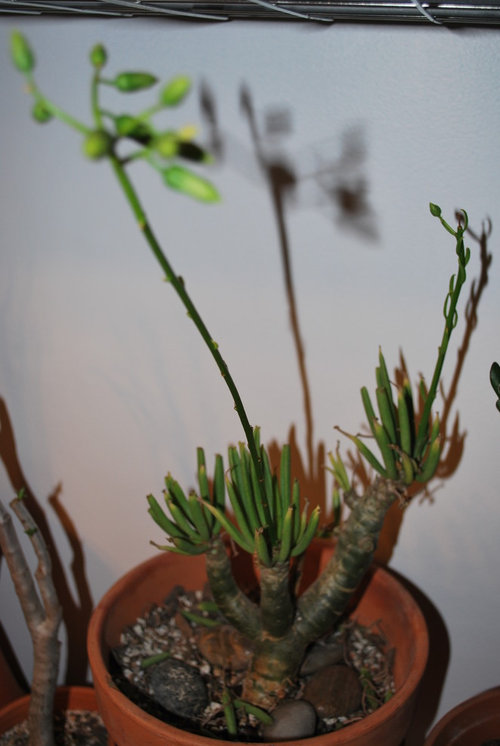
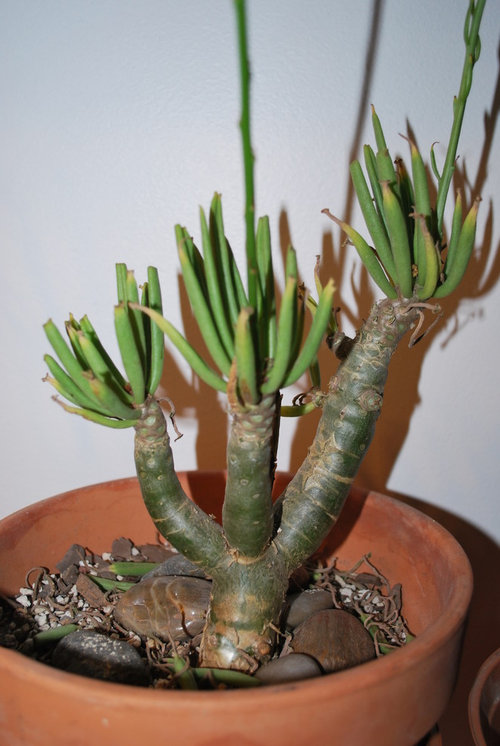
I recently purchased two tylecodon paniculatus and a tylecodon dinteri. The smaller paniculatus looks healthy and is shedding its skin. The dinteri looks to be flowering and getting ready to shed. The large Paniculatus has been losing leaves but hasnt done much since acquiring. I havent watered them much at all maybe 3 light waterings since purchasing a couple months ago, it is a bit wrinkled on the trunk and has been like this since buying i was told it is just preparing to shed. I am very new to these and am still reading up on them and looking through posts here. Just wanted to share a few photos and gather any welcoming advice.

I have the two largest under a t8 fixture with 4 - 6500k bulbs with some crassula sarcocaulis which are doing great. The small paniculatus is under t5 fixture with 10k bulbs. Should I leave them under the lights through summer or move them? Any advice on the best watering schedule for these? Any other advice is very appreciated. Thanks in advance.


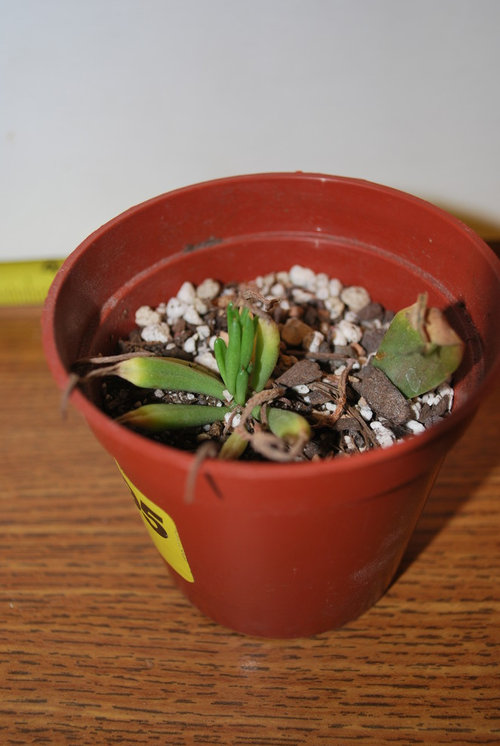
some growth from a dinteri leaf cutting i put in soil a few weeks ago


Comments (3)

  • 10 years ago

    this time of year tylecodons are starting their dormant period.It's best to allow them to go completely dry and then water but not too often. Maybe once every 3 weeks or so. I keep mine outside on my terrace during the summer and water them lightly maybe once a every month.

  • 10 years ago

    Your watering schedule will also depend on how much light and heat your plants are receiving.Too much water during the summer dormant season will cause your plants to rot.Tylecodons are tough plants and they are built to endure the heat and go without water for a long time. There is some good info on the net that explains about their natural environment and home care.

  • 10 years ago
    last modified: 10 years ago

    My t. paniculatus gave me trouble like nobody's business the first 3 years I'd had it. -___-

    It hated everything I did. Gave up all of it's leaves & sat there like a lump. Just a trunk and a couple of branches, no leaves. It pouted there like that for like 2 years, completely unchanged & unimpressed with my efforts to make it happy enough to at LEAST put out a leaf or 2. It summered on my patio in the warm months and lived under lights in the winter.

    At some point, I unpotted him to inspect the roots & there was NONE. It was literally just a fatt-io stump in a clay pot.

    I got lucky and caught it before it rotted. I replaced the medium with an inorganic one, put in a smaller pot with a few BIG rocks on top to keep it from rocking & hoped for the best.

    Not thinking much about it, I left it out when the weather was turning from summer to fall. To my surprise, the cold temps made it happy enough to push out a couple of leaves!!!

    Ever since then, I make sure it stays outside when it's cool, only protecting from frost. I've read it was a winter grower, so, yeah, duh =)

    Gritty mix didn't work well for me, straight up pumice did. Water & light needs are relative to each other so, what I do here, may not help you much.

    Mine really really liked a bright sheltered location and put out leaves when temps were nice and cool. I expect when it gets too hot or too much direct sun, it shut down. Hence it looked unchanged for so long. It probably went dormant & the fact that the mix contained no organic component, may be why it didn't actually rot. Well, that and dumb luck.

    I say this because previously, I had been doing the opposite. Giving it as much direct light as possible, unmindful of heat & watering from time to time because I thought maybe that's why it had no leaves.

    Live and learn =)

    That's just been my experience, YMMV


0