

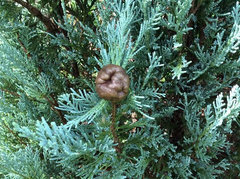
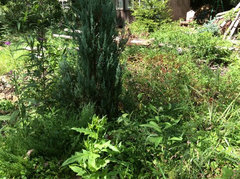
Wichita blue juniper
10 years ago
last modified: 10 years ago
Featured Answer
Sort by:Oldest
Comments (12)
 10 years agolast modified: 10 years ago
 10 years ago
Related Professionals
Bloomington Landscape Architects & Landscape Designers · Amherst Landscape Architects & Landscape Designers · Santa Fe Landscape Architects & Landscape Designers · Calgary Landscape Architects & Landscape Designers · Greenville Landscape Contractors · Rocky Mount Landscape Contractors · Clarksville Landscape Contractors · Binghamton Landscape Contractors · Victoria Landscape Contractors · El Dorado Home Builders · Port Saint Lucie Home Builders · Myrtle Beach Home Builders · Waterbury Home Builders · Cedar Rapids Home Builders · Butte Home Builders- 10 years ago
- 10 years ago
- 10 years ago
- 10 years ago
- 10 years ago
 10 years agolast modified: 10 years ago
- 10 years agolast modified: 10 years ago
- 10 years ago
- 10 years ago


Related Stories
PLANTING IDEASThese Aren’t Your Grandparents’ Junipers
Dislike junipers? Maybe it’s time to discover new varieties and new uses for this garden workhorse
Full Story
GARDENING GUIDESGreat Design Plant: Creeping Juniper Holds Its Ground
Add texture and evergreen interest to a layered garden with this low-maintenance, good-looking ground cover
Full Story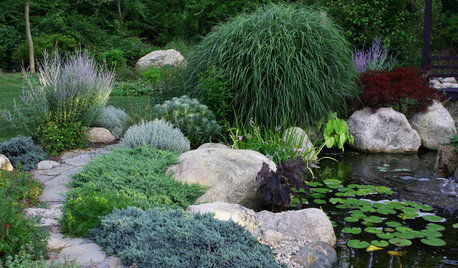
GARDENING GUIDESGreat Design Plant: Juniperus Squamata ‘Blue Star’
Need some blues in your garden? Discover Blue Star juniper
Full Story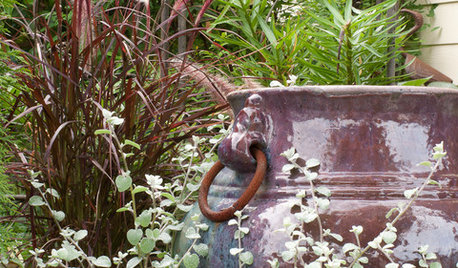
PLANTING IDEASGreat Garden Combo: Silver Sparkles Amid Purple and Blue Foliage
Get the look of this modern foundation planting by focusing on a restrained color palette with tasteful accents
Full Story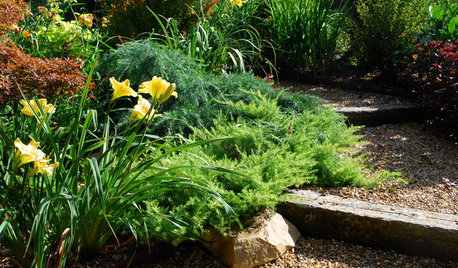
GARDENING GUIDESGreat Design Plant: Cedrus Deodara ‘Feelin’ Blue’
The smallest of the cedars softens a hardscape while bringing structure and texture to the garden
Full StoryGARDENING GUIDESGreat Design Plant: Juniperus Conferta ‘Golden Pacific’
‘Golden Pacific’ shore juniper shines in sun or partial shade
Full Story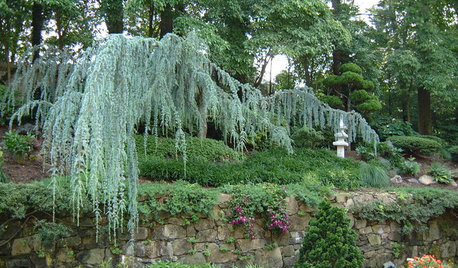
GARDENING GUIDESGreat Design Plant: Cedrus Atlantica ‘Glauca’
With its blue foliage and variety of shapes, blue atlas cedar earns its place in the sun
Full Story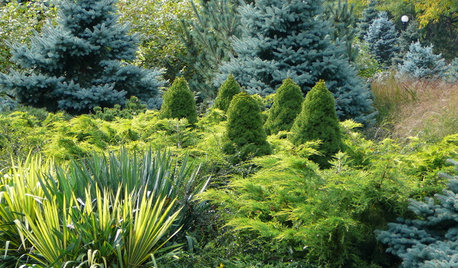
PLANTING IDEASDesigning With Conifers: Layers of Texture for Your Garden
Sharp and prickly or fine like ferns, richly textured conifers bring unexpected interest to the landscape
Full Story
GARDENING GUIDESGreat Design Plant: Partridge Feather
Set your garden aloft with the silvery-white color of partridge feather's foliage even as this evergreen's tough nature keeps you grounded
Full Story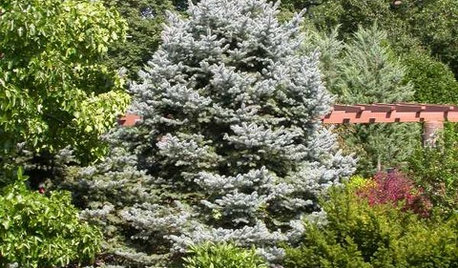
LANDSCAPE DESIGN10 Evergreens for Beautiful Foliage All Year
Give your landscape consistent color and structure with the emeralds, chartreuses and blues of evergreen trees and shrubs
Full Story
Sponsored
Katsura Gardens