

Squash Vine Boreres in September?
10 years ago
Sort by:Oldest
Comments (12)
Related Stories
EDIBLE GARDENSSummer Crops: How to Grow Squash
Almost foolproof and with cheerful flowers, squash comes in a wide range of varieties to plant in spring
Full Story
REGIONAL GARDEN GUIDESMid-Atlantic Gardener's September Checklist
Squash, anyone? Cool-season veggies are suiting up for the garden, while summer's last blooms are winding down
Full Story
FALL GARDENINGCalifornia Gardener's September Checklist
Planting opportunities abound this month: perennials, lawns, wildflowers and more. Our primer covers 'em all
Full Story
GARDENING GUIDESJoin Us for a Parade of Pumpkins
Fall eye candy: Get to know 9 winter squash varieties, including Long Island Cheese and Blue Hubbard
Full Story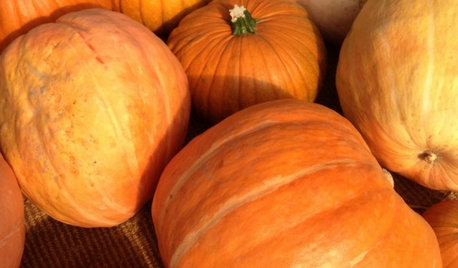
EDIBLE GARDENSSummer Crops: How to Grow Pumpkins
Start in spring to grow your own fall decorations and have plenty left for pies
Full Story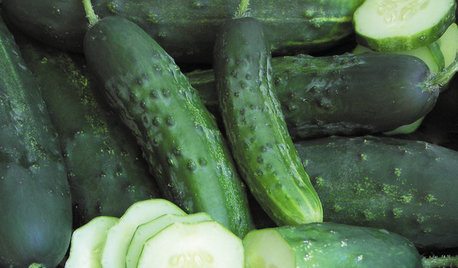
SUMMER FRUITS AND VEGETABLESSummer Crops: How to Grow Cucumbers
Pick a peck for pickles or opt for fewer and raw — no matter how you slice them, cucumbers are great for summer gardens small to large
Full Story
GARDENING GUIDESAfter-Summer Care for a Fabulous Fall Garden
Cleaning out stragglers and taking time to assess will keep your garden thriving all through autumn
Full Story
GARDENING GUIDES10 Easy Edibles for First-Time Gardeners
Focus on these beginner-friendly vegetables, herbs, beans and salad greens to start a home farm with little fuss
Full Story
EDIBLE GARDENSHouzz Call: What Did You Grow This Summer?
Let’s celebrate the homegrown fruits and vegetables of the season. Post your pictures and tell us about your harvest
Full Story
GARDENING GUIDES15 Favorites for Your Summer Edible Garden
Get your summer garden off to a good start with these popular fruits and vegetables
Full Story


gumby_ct
sneedOriginal Author
Related Professionals
Lewiston Landscape Architects & Landscape Designers · Beatrice Landscape Architects & Landscape Designers · Sacramento Landscape Architects & Landscape Designers · Amherstburg Landscape Architects & Landscape Designers · Columbus Landscape Contractors · Philadelphia Landscape Contractors · Anderson Landscape Contractors · Victoria Landscape Contractors · Fall River Landscape Contractors · New Bedford Landscape Contractors · Utica Landscape Contractors · Branson Accessory Dwelling Units · Spartanburg Accessory Dwelling Units · Chattanooga Accessory Dwelling Units · Phoenix Accessory Dwelling UnitsDonna R
Peter (6b SE NY)
glib
sneedOriginal Author
tigrikt (Central NJ/6b)
LoneJack Zn 6a, KC
sneedOriginal Author
jetty612
rgreen48
Christian