

Casing an opening where plaster jamb has inconsistent width
10 years ago
Sort by:Oldest
Comments (9)

Related Stories
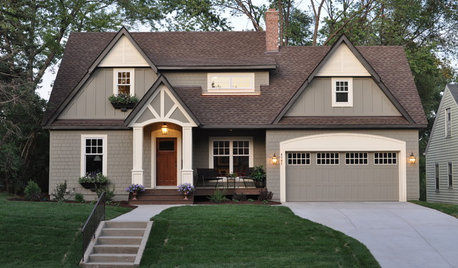
ARCHITECTURERoots of Style: Where Did Your House Get Its Look?
Explore the role of architectural fashions in current designs through 5 home styles that bridge past and present
Full Story
DREAM SPACESDesign Workshop: The Case for Big Overhead Doors
Garage-style doors are cost-effective solutions for opening rooms to dream views and fresh air — and they’re more stylish than ever
Full Story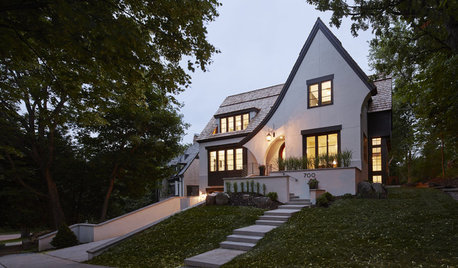
TRADITIONAL HOMESHouzz Tour: Tudor-Inspired Outside, Open and Contemporary Inside
A designer shows respect for a home’s historic St. Paul neighborhood with a fresh take on Tudor style
Full Story
LIGHTINGSo You Bought a Cave: 7 Ways to Open Your Home to Light
Make the most of the natural light your house does have — and learn to appreciate some shadows, too
Full Story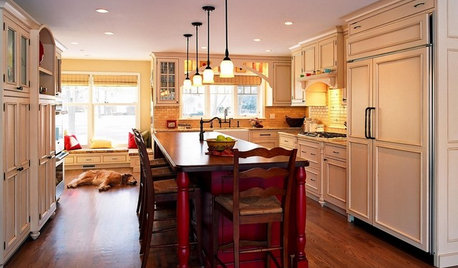
REMODELING GUIDESHouse Planning: When You Want to Open Up a Space
With a pro's help, you may be able remove a load-bearing wall to turn two small rooms into one bigger one
Full Story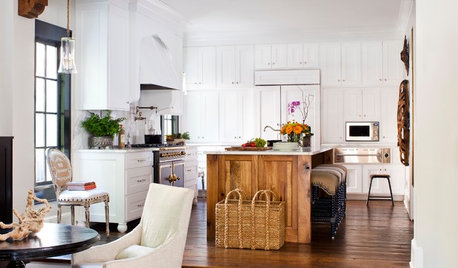
KITCHEN DESIGNKitchen of the Week: Going Elegant and Bright in a 1900s Home
Dark and closed off no more, this Atlanta kitchen now has a classic look, increased natural light and a more open plan
Full Story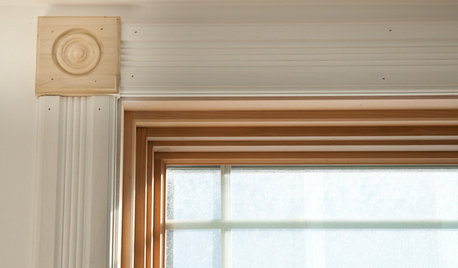
DESIGN DICTIONARYCorner Block
Adding classical style to the casing of a door or window, the corner block is easy to install and easy to look at
Full Story0

DECORATING GUIDESHow to Choose a Lampshade
Height, width, shape ... we turn you on to all the info you need to pick the right shade for your lamp and your room
Full Story
DECORATING GUIDESFrom the Pros: How to Paint Interior Walls
A slapdash approach can lower a room's entire look, so open your eyes to this wise advice before you open a single paint can
Full Story
ARCHITECTUREHow to Design a Storybook Cottage
A client’s request: “Build me a house where Disney meets Tudor.” The architect explores the details that make the style
Full Story




sambah006
Jennifer HOriginal Author
Related Professionals
Effingham Home Remodeling · Indianapolis Home Remodeling · Fort Wayne Home Remodeling · Fargo Home Remodeling · Hudson Home Remodeling · Miami Home Builders · New Haven Home Builders · Muskegon Home Builders · Twin Falls Home Builders · Pullman Home Builders · Gillette Home Builders · Ottawa Home Builders · Kansas City Kitchen & Bathroom Designers · Anniston Kitchen & Bathroom Designers · Carlsbad Kitchen & Bathroom Designersklem1
Jennifer HOriginal Author
klem1
sambah006
klem1
Jennifer HOriginal Author
klem1