

vinegar
10 years ago
Sort by:Oldest
Comments (5)

Related Stories
HOUSEKEEPINGVinegar and Voilà: Clean Your House the Natural Way
Ditch the commercial cleaners for nontoxic, inexpensive and versatile white vinegar
Full Story
HOUSEKEEPINGBaking Soda: The Amazing All-Natural Cleanser You Already Own
Battle grime, banish odors and freshen clothes with this common nontoxic cupboard staple
Full Story
MOST POPULAR33 Magic Household Cleaning Tips
Houzzers from around the world share their tips for transforming housework into child’s play
Full Story
MOST POPULARHow to Get Rid of Those Pesky Summer Fruit Flies
Learn what fruit flies are, how to prevent them and how to get rid of them in your home
Full Story
CLEANINGEco-Friendly Tips and Tricks for Cleaning Your Home
Are you wary of using chemicals to clean? These simple products and tricks will keep your home spotless naturally
Full Story
HOUSEKEEPINGThe Best Way to Get Your Windows Spotlessly Clean
Learn the pros’ tips and tricks for cleaning windows and getting them streak-free
Full Story
HOUSEKEEPINGTackle Big Messes Better With a Sparkling-Clean Dishwasher
You might think it’s self-cleaning, but your dishwasher needs regular upkeep to keep it working hard for you
Full Story
HOUSEKEEPING12 Cleaning Projects That Go a Little Deeper — Naturally
Eucalyptus oil for germy door handles. Baking soda for oven grime. Here are nontoxic solutions for often-overlooked cleaning jobs
Full Story
HOUSEKEEPINGHow to Clean Hardwood Floors
Gleaming wood floors are a thing of beauty. Find out how to keep them that way
Full Story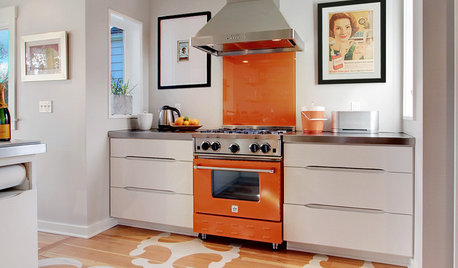
HOUSEKEEPINGHow to Clean Your Range and Oven
Experts serve up advice on caring for these kitchen appliances, which work extra hard during the holidays
Full Story
mamapinky0
rococogurl
Related Professionals
Grand Rapids Kitchen & Bathroom Designers · Canton Kitchen & Bathroom Designers · Westerly Kitchen & Bathroom Designers · Huron Kitchen & Bathroom Designers · Pullman Kitchen & Bathroom Designers · Riverton Kitchen & Bathroom Designers · Florence Bathroom Remodelers · Westminster Bathroom Remodelers · Lawrenceburg Bathroom Remodelers · Daytona Beach Cabinets & Cabinetry · Bartlesville Cabinets & Cabinetry · McAlester Cabinets & Cabinetry · Beaumont Cabinets & Cabinetry · Akron Cabinets & Cabinetry · Cowansville Cabinets & Cabinetrylarsi_gw
Pat z5/6
MiMi