Software
Houzz Logo Print
eric_silveira

Beginner Gardening Tips for Growing Vegetables

9 years ago

Hello, I am a beginner Gardener that is looking to grow some vegetables in this oh so wonderful New England weather. Does anyone have any suggestions on what would be a good vegetable to grow for a beginner such as myself? Any feedback would be greatly appreciated, Thank You!

Comments (12)

  • 9 years ago

    It would help to know what you will be growing in. How much room you have. Will it be in containers. I wouldn't recommend growing in the ground in the city without a soil test.

    Eric Silveira thanked John Donovan
  • 9 years ago

    For beginners I suggest you do not get overly ambitious and crowd your garden. I prune the hell out of tomatoes because they take over the garden.

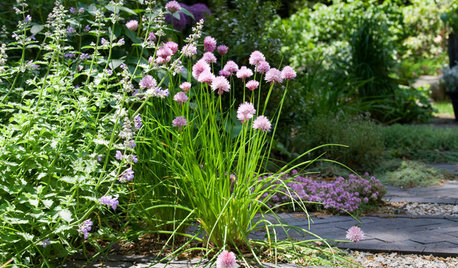
    Stick to prolific varieties. Also members of the nightshade family don't get bothered as much by critters ( tomato, eggplant, peppers). Herbs like chives and basil also don't get bothered. Parsley on the other hand will get devoured. Also some early Veg that definitely needs to be protected are snow peas, beets, broccoli raab.

    Eric Silveira thanked ilurk
  • 9 years ago

    John and NHBabs are right. Where you're growing is going to ultimately determine what and how you're going to grow. Check out a Climate Hardiness Zone map for your zip code, you'll get a better understanding of when to start seeds, which plants are perennial, etc.


    Does the potential garden get full sun throughout the day? how about throughout the year?

    Eric Silveira thanked Persimmons
  • 9 years ago

    Thank you for your feedback, I am planning on growing the vegetables in my suburban backyard which has partial sunlight every day and for most of the year. The plot is 12' by 12' and I am not planning on growing them in any special containers. I also am aware that there are many squirrels in the area. Is there one vegetable that would be best?

  • 9 years ago

    It depends on where you are. A suburb of what?

  • 9 years ago

    Its the suburb of a fairly populated city but not as dense as Boston

  • 9 years ago
    last modified: 9 years ago

    In all honesty, full sun is best for many veggies, especially in zone 5. Part sun varies from 2 hours or so to over 6 hours. For many heat-loving veggies, the more, the better. For things like tomatoes and peppers, you will want at least 6 hours of mid-day sun since early morning and evening sun are less intense since they are filtered by the atmosphere. Leafy greens are much more tolerant of a bit of shade, but I haven't ever tried growing in part shade, having always had full sun available. Hopefully others will weigh in.

    Choosing types bred for our shorter, cooler season is helpful, and the farther north from Boston you are, the shorter the season tends to be, especially further from the shore and at higher elevations. For instance in my location, just north of Concord, NH, I have found just two varieties of peppers that grow really well, one bell (Ace) and one mildly hot (Hungarian Wax). So I plant those every year since I know that they will deliver a great crop regardless of heat or cool temperatures. I may plant another type or two, but I don't count on them. I usually plant the shortest days to maturity type of cherry tomato I can find since then I will have some most years by mid-July.

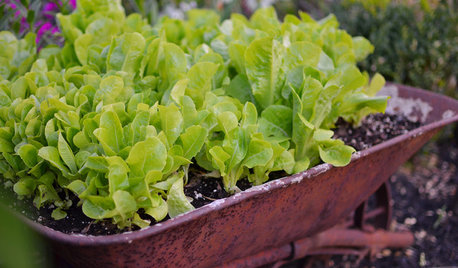
    I don't know if you are planning to start from seed or buy plants. Leafy greens (lettuce, spinach, etc.) are best started from seed and planted in succession with a new row or two planted every couple of weeks since they tend to go to flowering and get bitter when they get older (called bolting.)

    I would suggest that if you will grow tomatoes (if you have enough sun) that you buy plants of a few different types to see which you like best and which do well in your location.

    Some general advice: If you get down to soil with the upcoming warm weather, now is the ideal time to send in a soil sample since you will get back the results sooner. I usually lightly mulch the ground between my rows or plants to reduce weeds, but I also keep a stirrup hoe out in the garden to remove weeds quickly before they get large. Be sure to have an available water source so you can water as needed.

  • 9 years ago

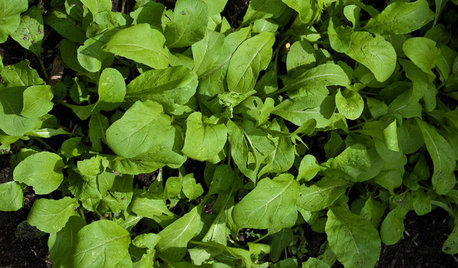
    I don't have full sun anywhere, so most of the usual vegetables struggle. Leafy greens are the only thing we bother with currently. The last two years were arugula, and it was kale for about 5 years before that. They self sow, so we just let them do their thing.

  • 9 years ago

    Back in the 70s, there was a great gardening show on Boston tv - Crockett's Victory Garden. Several different gardening books were printed but the original was the best. It's geared for the New England climate and is a month-by-month guide about what to do in the garden, when to plant, when to fertilize, etc. I've seen the book at used book stores and sometimes used book sales run by local schools. Perhaps your library has a copy you can borrow. There is also a lot of growing information on Johnny's Selected Seeds website. The business is in Maine so it specializes in things for our climate.

    I agree that you might not have enough sun for most vegetables. From experience, you might get some pretty good cherry tomatoes but the plants would be larger and more productive with more sun. Tomatoes a popular first choice. Depending on your cooking style you might like to grow some basil and other herbs. We also love sugar snap peas. Last year I grew peppers on either side of a fence on which I grew beans. I also had a tomato plant at one end (a large cherry Principe Borghese) and cucumbers at the other end. The cucumbers are an unusual variety with great taste called poona kheara. Instead of being dark green they go from pale green to yellowish brown.

    You might also look for Square Foot Gardening at your library - the original version for ideas on dense plantings.

  • 9 years ago

    The less sun you have the longer it takes for vegetables to fully ripen. Leafy greens can do well I partial sun. Some cherry tomatoes can do well in partial sun also. Root vegetables can be hit and miss. Experiment over the years with different plants and remember just because one variety of beans or tomatoes doesn't do well doesn't mean others will not work as well.

  • 9 years ago
    last modified: 9 years ago

    I think NH babs hit this one on the head: Veggies need full sun. The fruit simply don't ripen in our climate without full sun all summer, because as the angle of the sun goes down on those last clumps of large fruit, they never ripen!

    What else is on your property? Maybe a better first step is hiring an arborist to assess your trees. Is it possible to have the trees limbed (lower limbs removed) or picked through (crown pruning) to allow for more sunlight in the understory?

    An interesting thought: Certain food-producing trees need shade as young individuals, before they receive a full-sunlight adulthood. Most nut trees are like this, and a fruit in particular-the pawpaw (Asimina triloba)-has this same culture. Even blueberries will survive in part sun (though they fruit best and prolifically in full sun!) If you have patience, maybe an orchard is in the works?