Software
Houzz Logo Print
ajd1221

Advice for composted manure/peat/soil mix for blueberries

9 years ago

Hello!

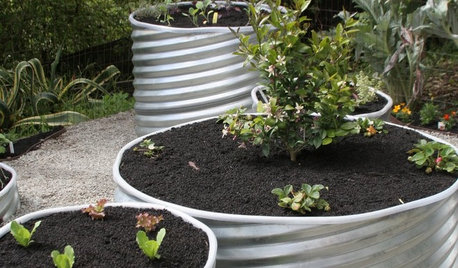
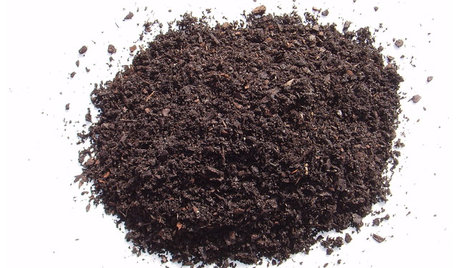
I've built some terraced raised beds into a hillside for my blueberries and was planning on using a composted manure, peat, and soil mix to fill them. When I picked up the manure the other day though, it wasn't as composted as I was hoping for and contained at least 50% hay and wood chips. I'm OK with this since it was free and I didn't have to load it but that leaves me with an issue of providing a medium for the blueberries to actually spread their roots in the near future.

My question is: do you think I would be OK to layer these with a manure/peat mix on the bottom and a soil/peat mix on the top and to go ahead and plant the blueberries into this top layer? I know they have a shallow root system and was hoping that by the time the roots reach the manure/peat layer, it would be broken down enough to not damage the blueberry roots. Thank you in advance for your suggestions!

Comments (11)

  • 9 years ago

    The high level of hay in the mix is a little troubling since it may allow the upper layer to dry out more quickly. The hay and wood chips might be better as a blueberry mulch after plants are established. If you could allow the mix to breakdown another year before using you would have a better material.

  • 9 years ago

    That bottom layer may hold water and affect drainage during rains. Peat, pine bark, and native soil is all you really need for blueberries. If you wanted to be "organic" and improve soil conditions HollyTone could have been worked into your mix.

  • 9 years ago

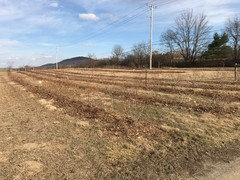
    The native soil is the problem though - the topsoil is only about 2"-3" deep and is a clay-loam mix and underneath that is a heavy limestone clay layer with lots of sedimentary rock. But the hillside is steep (about 45-50 degree angle) and drainage is good.

  • 9 years ago

    That 'limestone clay base' is causing me concern. What is the pH of your native (unamended) soil? If it is too high (above 6.5), planting blueberries in the ground is going to pose ongoing issues. Even with a reasonably highly acidic planting mix initially, the pH is going to climb back to its current state in a season or two and amending to the degree of acidity necessary around established plants will be difficult at best.

    It may be better to grow these in containers where you can more closely monitor soil pH.

  • 9 years ago

    Gardengal is rightly concerned. If you are committed to growing blueberries in that area get the soil ready first. Getting soil conditioned and lowering pH to where you can plant may take a few years. Many people say you should not even consider blueberries if the base pH is above 6.5. Stay away from fertilizers that may burn roots of young plants but figure out how much sulfur you will need to add and also incorporate lots of well composted sawdust, bark mulch and other organic materials into the soil. It can be done without pots, and should be in my opinion, but get your soil ready for the new plants first. Otherwise you will be spraying with chelated iron every few weeks just to keep plants alive for a few years. Once plants are established a few years you can then keep pH down with ammonium sulfate fertilizer and lots and lots (6-8") of aged woodchip mulch every year. (If you age it with a portion of manure- even better).

  • 9 years ago
    last modified: 9 years ago

    I appreciate the concerns but let me redirect the conversation back to the original question (I feel like I have sufficiently addressed the problem with the high pH native soil - these are 6x4 ft beds which are 18 inches deep being filled with lots of organic materials with low pH that will be fertilized with low pH fertilizers and mulched with pine needles and coffee grounds).

  • 9 years ago

    The raised beds will help - that was a detail that was overlooked in your original post :-) The problem will be that concentrating a lot of organic matter at the base of the beds can result in shrinkage. It will continue to decompose and break down and after a season, your 'soil' level will be markedly lower. That can create issues with the plant roots, either by exposing them or smothering them when you add more soil.

    Personally, I would work to incorporate all the material together thoroughly, concentrating on a regular mineral soil as the primary component. It is suggested that any raised bed soil be no more than 25% OM. You can add sulfur if you still need to lower pH.

    And if you think that mulching with pine needles and coffee grounds will help to contribute to lowering soil acidity, they won't. That's a common misconception. Used coffee grounds are essentially neutral with regards to pH - all the acid comes out in the coffee liquid itself. And while fresh green pine needles may be acidic, dried pine needles are not and neither will leach any significant acidity into the soil.

  • 9 years ago

    Used coffee grounds and pine needles are free and readily available! :)

    Do you happen to have a source for your statement regarding raised beds not being more than 25% organic material? I've read about many different "mixes" (i.e. Mel's Mix) for raised beds involving vermiculite and other materials but have never heard of a limit on how much organic material should be used. Also, things like Mel's mix seem to mainly apply to annual vegetable gardens and don't address the needs of an ericaceous, long-lived perennial.

  • 9 years ago

    It's pretty widely discussed by most horticulturists dealing with soil issues. It is certainly a popular and frequent topic of discussion on the Soils forum. It is widely understood and accepted that inground soil should be no more than 10% OM - Soil Amendments - and a raised bed for permanent plantings is just a more modified, tailored soil mix that should replicate ground soil conditions afa as ingredients and their relative proportions are concerned. 25% OM in a raised bed should be considered the upper limit. In many cases, just lightly amended garden soil is the best choice for filling a raised bed but few have excess quantities of garden soil sitting around to fill raise beds so imported soil is often necessary. But it should be primarily mineral based soil, like topsoil.

    Mel's Mix and others of their ilk are single season mixes and even then are not ideal combinations, lacking any mineral based soil and a preponderance of moisture retentive and inclined to collapse (and therefore alter good drainage) ingredients like the vermiculite and compost.

  • 9 years ago

    I don't know if the soil composition is that critical. However Dean Polk, Rutgers, had presented some pictures of ideal soil profile conditions in New Jersey. I recall that on the surface it looked like the blueberries were growing in sand but just a few inches below the surface was black muck. A few feet below that was the water table.

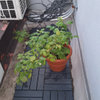
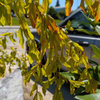
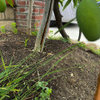
    Naturally I don't have those conditions. I use what soil I have and in this warm spell I managed to prune and mulch mine in record time: