

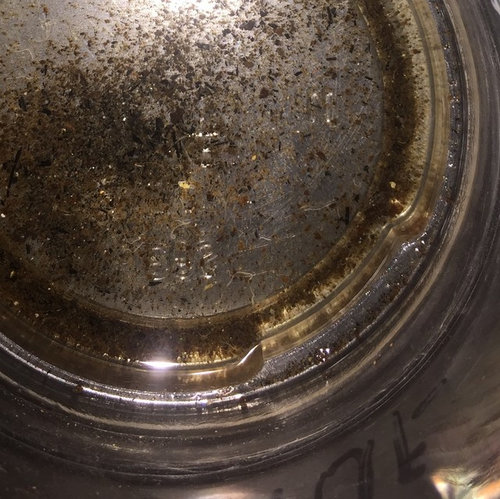
Identify this wriggly creature?
9 years ago
Sort by:Oldest
Comments (5)
Related Stories
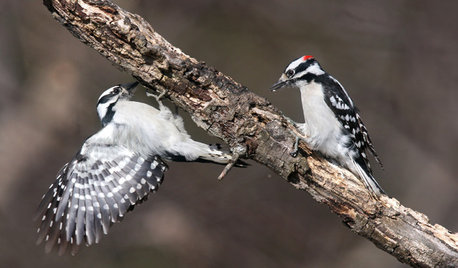
GARDENING FOR BIRDSBackyard Birds: How to Identify Two Common Woodpeckers
Downy and hairy woodpeckers have similar coloration and behavior. But there are two big differences that separate them
Full Story
FUN HOUZZSomething a Little Different: Fairy Houses
Miniature abodes crafted for otherworldly creatures capture the imagination
Full Story
GARDENING GUIDESGreat Design Plant: Anise Hyssop Delights Licorice Lovers
With its distinct scent and flower spikes, drought-tolerant Agastache foeniculum stirs interest among humans and winged creatures alike
Full Story
LIFE10 Things Night Owls Know to Be True
Love being up while the world slumbers? Prefer a really late bedtime to an early night? These observations on night owl life may ring true
Full Story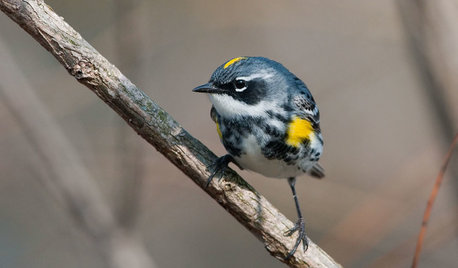
GARDENING GUIDESBackyard Birds: The Wonder of Warblers
These small, dynamic birds call North America home, with the yellow-rumped warbler flocking to every U.S. state
Full Story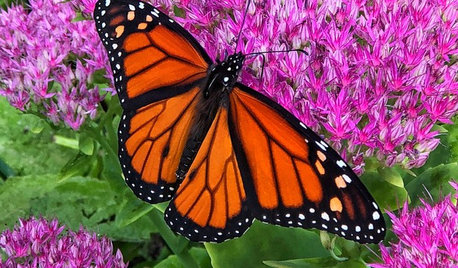
GARDENING GUIDES6 Steps to Creating Your Butterfly Garden
Encourage these fanciful winged beauties to visit your garden while helping restore their fragmented habitat
Full Story
FEEL-GOOD HOME6 Design Ideas for Happy Pets
Keep your dog or cat feeling safe and in high spirits, and you'll all feel more at peace. Here's how
Full Story
GARDENING GUIDES10 Essential Wildflowers for the U.S. Central Plains
Focusing on prairie wildflowers supports the most wildlife in a low-maintenance Plains landscape
Full Story
GARDENING FOR BIRDSFeed the Birds: 6 Plants for Abundant Winter Berries
Be kind to your fair feathered friends during lean food times by planting a shrub or tree loaded with nutritious snacks
Full Story
DECORATING GUIDESHot Looks From the Spring 2013 High Point Market
Get an eyeful of some of the colors, textures, materials and more taking a big stand at North Carolina's huge furnishings trade show
Full Story


JastineOriginal Author
rina_Ontario,Canada 5a
Related Professionals
Elizabethtown Landscape Architects & Landscape Designers · Somerset Landscape Architects & Landscape Designers · Altoona Landscape Architects & Landscape Designers · Belleville Landscape Contractors · Greenville Landscape Contractors · York Landscape Contractors · Orangeburg Landscape Contractors · Escanaba Landscape Contractors · Buffalo Landscape Contractors · Pocatello Landscape Contractors · Bronx Landscape Contractors · Sugar Land Home Builders · Wichita Falls Home Builders · Auburn Home Builders · Cedar Rapids Home BuildersJastineOriginal Author
rina_Ontario,Canada 5a
halocline