

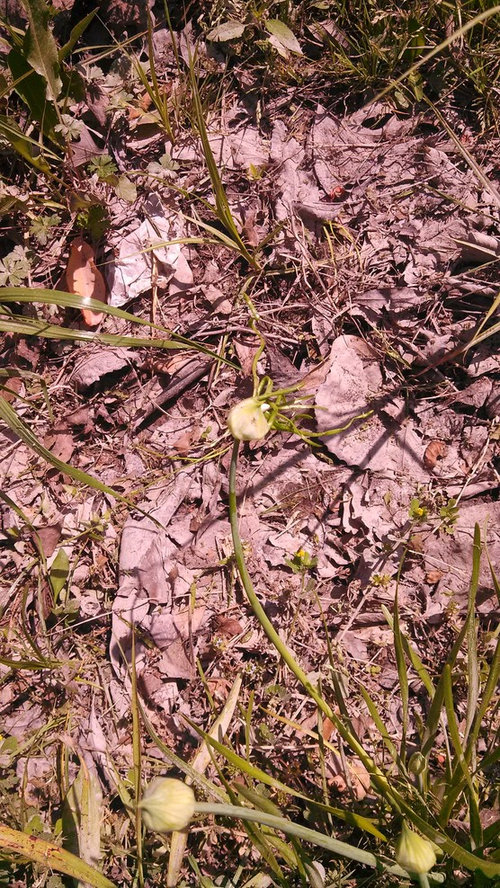
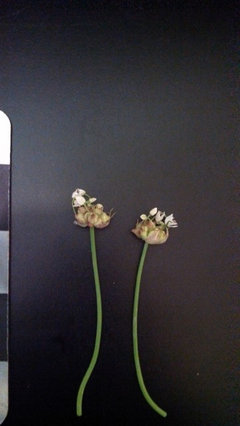
Is this walking onion
9 years ago



Featured Answer
Sort by:Oldest
Comments (13)
 9 years ago
 9 years ago
Related Professionals
Port Saint Lucie Landscape Architects & Landscape Designers · Elizabethtown Landscape Architects & Landscape Designers · Jamestown Landscape Architects & Landscape Designers · Jacksonville Landscape Contractors · Lexington Landscape Contractors · Myrtle Beach Landscape Contractors · Lynchburg Landscape Contractors · Hartford Landscape Contractors · Platteville Landscape Contractors · Salinas Landscape Contractors · Reno Landscape Contractors · Savannah Accessory Dwelling Units · Springfield Accessory Dwelling Units · Zanesville Accessory Dwelling Units · Killeen Accessory Dwelling Units- 9 years ago
- 9 years ago
- 9 years ago
- 9 years ago
- 9 years ago
- 9 years ago
- 9 years ago
- 9 years ago
- 9 years agolast modified: 9 years ago
- 9 years ago

Related Stories

INSPIRING GARDENSA Spring Walk Through Piet Oudolf’s New Garden in the Bronx
This lush expanse of bulbs, perennials and grasses at The New York Botanical Garden is showing its color. Have a look
Full Story
KITCHEN STORAGEPantry Placement: How to Find the Sweet Spot for Food Storage
Maybe it's a walk-in. Maybe it's cabinets flanking the fridge. We help you figure out the best kitchen pantry type and location for you
Full Story
GARDENING GUIDESGreat Design Plant: Ornamental Allium
Lollipop blooms on tall, leafless stems add an architectural element to gardens of all styles
Full Story
KITCHEN DESIGNLove to Cook? We Want to See Your Kitchen
Houzz Call: Show us a photo of your great home kitchen and tell us how you’ve made it work for you
Full Story

HOUZZ TOURSMy Houzz: History Resonates in a New Washington Farmhouse
Sentimental memorabilia join reclaimed pieces to create a warmly personal home for a family
Full Story
FARM YOUR YARDAn Urban Greenhouse Overflows With Edibles
Making meals just means stepping into the yard for a San Francisco couple who revamped an old orchid house
Full Story
FARM YOUR YARD6 Things to Know Before You Start Growing Your Own Food
It takes time and practice, but growing edibles in the suburbs or city is possible with smart prep and patience
Full Story
EDIBLE GARDENSHow to Grow Your Own Cocktail Garden
Conceivably, anything edible could find its way into a cocktail. Why not make the route rather short?
Full Story
KITCHEN PANTRIES80 Pretty and Practical Kitchen Pantries
This collection of kitchen pantries covers a wide range of sizes, styles and budgets
Full StorySponsored

Columbus Design-Build, Kitchen & Bath Remodeling, Historic Renovations


floral_uk z.8/9 SW UK