Software
Houzz Logo Print
joeinmo

Quartz Mountain & Quercus Fusiformis Live Oak Trees in Zone 6

8 years ago
last modified: 8 years ago

This post is a continuation of other posts on Live Oak Trees growing in 6a, 6b and 7a Zones. The tree varieties include: Quartz Mountain Live Oak from Oklahoma, Northern Texas Live Oak, and other Quercus Fusiformis from Central and Northern Arkansas, Extreme Southern Colorado, and Extreme Northern New Mexico.

Current successfull locations in these zones are Southern Pennsylvania, the Ozarks of extreme Southwest Missouri, Tennessee and Virginia.

Comments (1.7K)

  • 8 months ago

    No problem David

  • 8 months ago

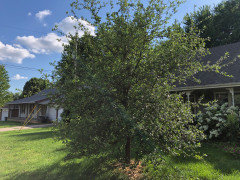
    With all this rain, my live oaks are really putting on the foliage


  • 8 months ago

    Dakota you have been messaged

  • 8 months ago

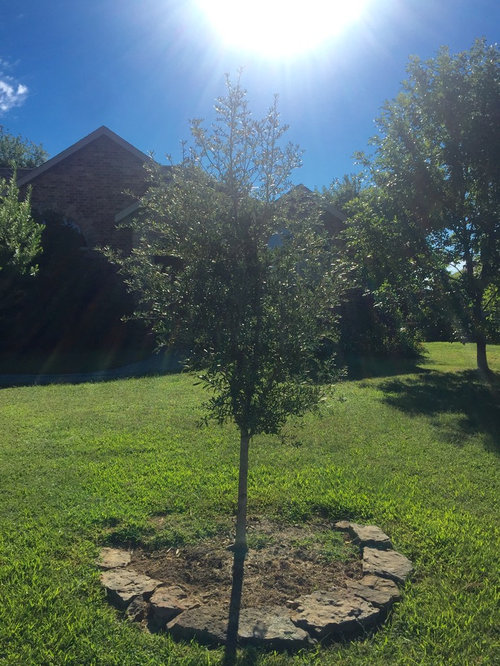
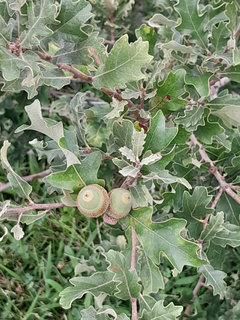
    Looks good Joe. Looks like you even have a tiny acorn growing in the last pic! I have 2 seedlings thanks to HU, and one is putting on new growth too.

  • 7 months ago
    last modified: 7 months ago

    Poaky how is the quartz mountain seedling I sent you doing?

  • 7 months ago

    If you mean the one I had planted outside spring of 2024, it died. I have another 2 seedlings that I received from HU that are still growing. He also sent me some acorns of QMLO that he got from you. That is unless I got mixed up and you sent the seedlings and he sent the acorns. I'm thinking he sent me both the seedlings and the acorns last fall though.


    Anyway, I have 2 seedlings that I'm growing in 5 gal buckets, and I direct sowed some acorns in my yard from HU, who likely got them from you Joe. I have yet to see any of the acorns sprout into a tree. But maybe they have, and just haven't outgrown the grass growing with them.

  • 7 months ago

    I asked HU about it, but it's sunday night, and maybe later in MO? If I got mixed up about who sent the seedlings sorry.

  • 7 months ago

    Hi all. I've given seedlings to several people so I kinda lose track of who got what. I definitely did send Poaky acorns from Joe's tree.

  • 7 months ago

    Okay, I think that it must have been Joe in Mo who sent me the seedling QMLO last fall. That seedling had another seedling joined to it, but it was a separate seedling. The roots were kinda wrapped together. So Joe, I still have the 2 seedlings growing in the 5 gallon buckets, they are doing fine. I'll be keeping them in my greenhouse in winter, until they get some decent trunk girth to them, maybe a half an inch would be good.


    I wish I could post pics of them. 1 is really small yet, the other is putting on growth, at least a few inches this year so far.

  • 7 months ago

    Ok poaky good to know


    beware when you have them in the greenhouse could easily dry out and die when hot.


    water often


  • 7 months ago
    last modified: 7 months ago

    poaky, Just looking back at the posts here, the one you planted back in spring 2024 that died was a whip and it was NOT from me.. i sent you out a 2 year old seedling and some acorns in October of 2024. Acorns planted in the fall for a quartz mtn live oak may not live in the winter conditions of PA.

  • 7 months ago

    Okay Joe, so maybe the direct sown acorns didn't survive the winter. I am going to check as good as I can though. We had a zone 6a winter this last one. The greenhouse getting wicked hot on sunny winter days is a real problem for me. I want to get a ceiling vent installed in my GH, but I don't know who to get to do the work. The place where I bought the GH from isn't any help with that, they sold it, now that's my problem.


    Okay, thanks for the info guys. Oh, btw, I did water a TON last winter, the seedlings did well, but, I got tons of white worms in the soil from fungus gnats. I used fungicide, but it was nasty. Better than dead seedlings though.

  • 6 months ago

    Summer 2025 update …


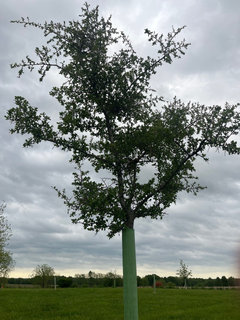
    lots of growth on the Quartz Mountain Live Oaks this year, and also a first for the trees -we have cluster acorns - usually use might see one or two acorns on the branches. But this year im seeing clusters of 5 to 8 acorns.


  • 6 months ago

    Mine are also growing well now

  • 6 months ago

    This one has decided to grow wide rather than upward

  • 6 months ago

    This taller one has struggled since the 2021 deep freeze

  • 6 months ago

    These two freeze back most years so I let them grow clusters of trunks -safety in #s - and now they don't freeze back anymore. I'll have to be happy with LO bushes rather than trees. These are the New Mexican trees and may replace with Quartz mountain trees eventually.

  • 6 months ago

    When I get a chance, I'll take a couple pics of my 2 potted QMLO, just to show the little bit of new growth. I can send to you Mike, and if you could, would you try to post pics here of my pics I send to your phone?

    I also have my TXLO that dies back yearly too? My phone is charging, or I'd just text you.

  • 6 months ago

    Ok Poaky, I can do that

  • 6 months ago

    They look great Mike - especially the cluster acorn one.


    yep spreading wide is the live oak trademark look

  • 6 months ago

    Yes definitely but it was growing upward and was 5 foot taller when 2021 hit. It is progressing ever so slowly upward but not like it was. Still mostly healthy though at 10 ft.

  • 6 months ago

    These are Poaky's tree. I'll let her explain.

  • 6 months ago

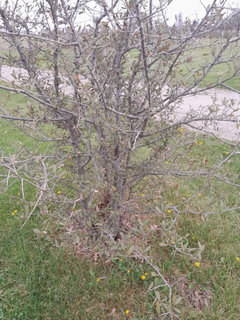
    Okay, the 2 pics are my TXLO that keeps dying back over winter. It was from "Oaks of the wild west" nursery. I forget it's age, but it's been at least 6-8 years since I planted it. The second pic shows that it has (this spring) grown up from about 2 feet up on the trunk instead of from the ground level. It has 2 trunks.


    I sent Mike some more pics too. 1 is of this tree, but the pic is blurry, so you can just make out it's height. I should try again tomorrow to get a better pic.


    And, I also sent Mike a couple more pics. 1 of each of the QMLO babies I got from Joe in Mo last fall. So, when Mike gets a chance to, I had asked him to post those other pics too.

  • 6 months ago

    Your pictures Poaky sorry it took a while, I've been busy.

  • 6 months ago

    No problem Mike, thanks for posting them for me.


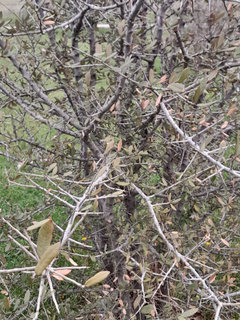
    Joe in Mo, and anybody else who cares. The 3 pics above are of my LO's. The bottom is the same tree I already asked Mike to post, it's just from a short distance away, enough to see the whole shrub/ tree. It's been in that spot in the ground since at least 2009. I found a picture with the date on the back, I hadn't previously known just how long I've had it there. It keeps dying back every year, except one winter it didn't die back. It's my TXLO from "oaks of the wild west".


    The 2 top pics are of the QMLO seedlings I got last fall from Joe in Mo. Still too young to plant outside in zone 6a Pa, so I'm keeping them in the 5 gallon pots. Joe, you had sent me the 1 seedling, the taller one. I found gnat worms in the soil, I was likely watering too often, being afraid to have it die in the hot greenhouse. I saw the gnats too, etc. So, I went and changed the soil, repotted. Then, I saw that it was actually 2 seedlings, the big one having it's roots entwined with the little one.


    So, I am glad that I have the 2 seedlings now instead of thinking I just had 1. I hope that they'll get some size to them soonish so I don't need to worry about them dying in my GH on a sunny winter day. Then I can just plant them out. Thanks again Mike! And thanks again Joe for the LO's!

  • 6 months ago

    They look great Poaky,


    ahhh, ok Poaky, the soil for the quartz mountain seedlings is from bagged soil. Part cactus/palm soil and part regular potting soil. Its not uncommon for those gnat worms to be in those bags that come from lowes, menards, Home Depot etc.

  • 6 months ago

    Hey Joe, It was me who potted them up in the buckets, so it was my bagged soil that got the gnats. I see when you read my post it kinda sounds like I was blaming your soil for the gnats.

    I had used a bagged soil and added some extra stuff to it. But, I had been watering them almost daily, so I made the gnat problem. I was just afraid of them dying from the heat in the GH on sunny days. Really, all I should have done is use a fungicide/ gnat killer product. I had a bad gnat problem last early spring with everything in my GH, not just the LO's. I ended up having to use extra fans to try to get more air circulation in the GH. I want to get a ceiling fan and vent put in my GH, I have just 1 in the back. I just don't know who I could get to install it. Maybe somebody who builds those sheds for storage?


    When I have to repot them again, I'll use some sand in the potting mix. Really, I used plenty of perlite in the mix, but it seems to wanna float to the top of the pot when I water. Anyway, I'll try to keep those 2 QMLO babies happy as best I can until they get big enough to plant out.


  • 6 months ago

    joeinmo 6b-7a , change your profile settings so that you can receive private messages. I may be interested in a Q. fusiformis seedling.

  • 5 months ago

    Ok poaky

  • 4 months ago

    TXLO acorns

  • 4 months ago

    Two different Compton oak acorns

  • 4 months ago

    They look great Mike.


    those Compton Oaks look healthy

  • 4 months ago

    There are acorns off my Quartz Mtn trees


  • 4 months ago

    I was reading about the area where "Quartz Mountain" oak trees grow. Quercus fusiformis grows in the Wichita Mountains, all the way into the Quartz mountains, in southwest Oklahoma. The landscape appears rather dry, like much of the Mountain West, mostly short semi-dry grasses and scrubland. Several of the plants appear almost desert like. However, these mountains actually do get almost 30 inches of rain per year, which is considered just enough to be able to sustain a forest. The reason why there are so few trees is most of the area is newly exposed granite from erosion, which means the soil is very thin and cannot retain much water, most of it runs off. This makes the area seem more arid than the rainfall totals would suggest. Also notable, a majority of that rainfall comes in the warmer half of the year. This means the area hosts a fairly high level of biodiversity, and has wildflowers between April and June.

    It is possible to transform that area into a forest, as the "Parallel Forest" demonstrates. (planted in 1912 but then abandoned. consists of Eastern Red Cedar)

    This area is only just a little over 3 hours northwest of Dallas.

  • 4 months ago

    This is native Prarie, why convert to forest? The plains surrounding the mountains are mid to tall grass Prarie and the National Wildlife preserve is considered part of the Cross timbers region that extends from north central Texas to se Kansas. This area is dominated by Post and Blackjack oak.


    While true, the Wildlife area receives about 30 " per year, the somewhat isolated Quartz mountains somewhat to the west get about 27 or 28". Only in the Quartz mountain area will you find native QMLO, I know, I've been there about 10 times.


    Many southwestern plants do grow there like Quercus marylandica ashei and honey mesquite. Eastern red cedar though native there will be invasive if left unchecked, similar to Ashe's juniper in the Texas hill country and Oklahoma s Arbuckle mountains.

  • 4 months ago
    last modified: 4 months ago

    I doubt Eastern red cedar will be very "invasive" there. That area barely just gets enough water for the cedars to survive and grow, and the soil is rocky, thin, and of poor quality. The trees may be able to grow within the canopy of forest, with the greater shade and moisture it provides, but one of those trees would struggle further away out in the open. This is an area that can support some small to occasionally medium sized oaks, but this area is not really conducive to cedar trees. The "miracle" is that this cedar forest is even managing to continue staying alive.


    I agree the Quartz mountains (a little further to the west) are a little bit drier than the main Witchita mountains. There is still a big freshwater lake there (Lake Altus-Lugert).

  • 4 months ago

    Socal, I don't want to be condescending or offensive in any way so please don't take anything here that way but I do know some things about this region.

    First of all, eastern red cedar is already invasive there as I have witnessed with my own eyes. I remember in 1986 short to medium tree canopy between Tulsa and OKC then coming down the H E Bailey turnpike just out of town to mostly open plains with some scattered brush. Now much of the land sw of OKC is brushed over and one of the culprits is eastern red cedar. Oddly it is both native there and invasive. Much of central and western Oklahoma has this problem (except the panhandle).


    The loss of short and tall grass Prarie is a problem in this region at least from here in western Missouri through eastern Kansas, central OK and central Texas. Cedar is often the 1st offender,Oddly being both native and invasive. That part of Oklahoma has problems with Mesquite to. Ranchers often use arial spraying to get rid of it.


    As for too dry for the cedar, you should see it's ability to survive on barren dry limestone cliffs in the Ozarks. It's adaptive to both bottom land and hot dry glades.


    On the western edge of the Kansas flint hills around Junction city where Ranchers can't do controlled burns near town, E. R. cedar has completely covered some south facing hills. This area averages 28-30".


    In my 63 years I've witnessed this in west central Missouri with many other culprits besides the cedar like Osage orange ,elm and locust.


  • 4 months ago
    last modified: 4 months ago

    Eastern Red Cedar is supposedly native to this wider region.

    see map here

    It appears to me from the map that the Quartz mountains (in southwestern Oklahoma) straddle the very edge of the region.

    If it wasn't growing there before, the question is why?

    This document says that Eastern Red Cedar is the only true evergreen found in the Quartz Mountain State Park.

    Here's another link giving information about Eastern Red Cedar being invassive to grasslands in Oklahoma. It seems like the thing that once kept the cedar trees in check was wildfires that would occasionally come through.

  • 3 months ago

    While cedars were present in Missouri, they were rare. When the natural fire cycle was stopped they became invasive.


    https://trees.wustl.edu/items/51/

  • 3 months ago

    Ashe's juniper taking over at Turner falls in the Arbuckle mountains of south central Oklahoma. Darker green on lower slopes is Ashe's juniper, upper slopes are mostly Buckley oak. South slopes are still mostly Prarie.


    I have TXLO acorns from western most population in se New Mexico if anyone is interested.

  • 2 months ago

    Nice trip Mike

  • 2 months ago

    I’ll Hollar at you Mike. Great trip! Also how big are those trees in NM?

  • 2 months ago

    Mine you have seen pictures of and are from a 25+foot tree growing in Wichita.

  • 12 days ago
    last modified: 12 days ago

    Snow scene with the Quartz Mountain Live oaks


  • 9 days ago

    Joe, looks like you got dumped on. How much did you get and how cold? We got about 4" that has now rendered down to about 1". One night below 0 at -4.9 on my thermometer. Not terribly windy so plants should come through this fairly well. All trees look good for now. Yucca and palmettos look good including the Brazoria palm.

    I heard Clinton was -10 or colder and a few areas in the Missouri river bottoms were 15 to 19 below. Mostly 4 to 6 below in my area.

  • 6 days ago

    Hey Mike good to know you have survivors. We received 7 inches, and I think hit -1


    we dont have anything left but patches of snow, hit into 50’s melted rather quickly

  • 2 days ago

    South side of TXLO after a few warm days. Low to mid 70s expected today. Some of the other LO have South side leaves mostly killed.

  • yesterday

    Looks good! Have me curious now to check my leaves.

  • 22 hours ago

    My TXLO from Arizona (Oaks of the wild west) has brown leaves as well. My QMLO babies are looking great of course, since they are in my greenhouse in pots.