

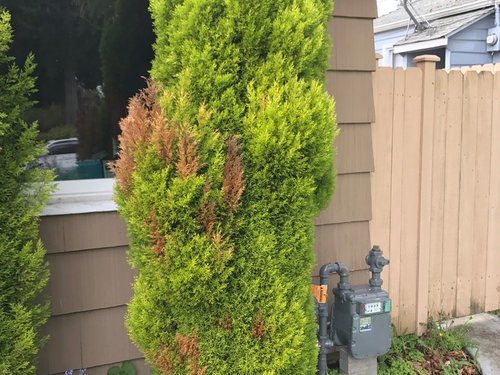
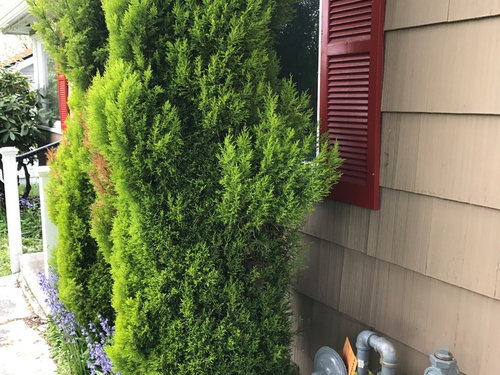
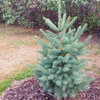
Thuja advice. Please Help!
9 years ago
Sort by:Oldest
Comments (7)
Related Stories
TASTEMAKERSBook to Know: Design Advice in Greg Natale’s ‘The Tailored Interior’
The interior designer shares the 9 steps he uses to create cohesive, pleasing rooms
Full Story
FARM YOUR YARDAdvice on Canyon Farming From L.A.'s Vegetable Whisperer
See how a screened garden house and raised beds help an edible garden in a Los Angeles canyon thrive
Full Story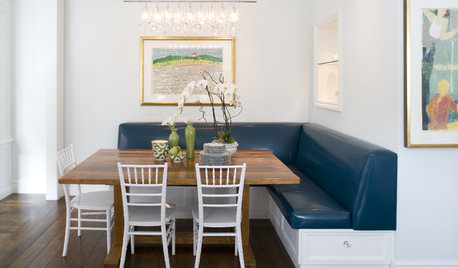
Straight-Up Advice for Corner Spaces
Neglected corners in the home waste valuable space. Here's how to put those overlooked spots to good use
Full Story
LIFEGet the Family to Pitch In: A Mom’s Advice on Chores
Foster teamwork and a sense of ownership about housekeeping to lighten your load and even boost togetherness
Full Story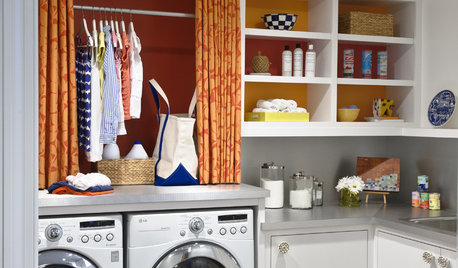
REMODELING GUIDESContractor Tips: Advice for Laundry Room Design
Thinking ahead when installing or moving a washer and dryer can prevent frustration and damage down the road
Full Story
HOME OFFICESQuiet, Please! How to Cut Noise Pollution at Home
Leaf blowers, trucks or noisy neighbors driving you berserk? These sound-reduction strategies can help you hush things up
Full Story
DECORATING GUIDES10 Enduring Pieces of Decorating Advice
Follow these tried-and-true rules and you’ll be ready for any decor situation
Full Story
BATHROOM DESIGNDreaming of a Spa Tub at Home? Read This Pro Advice First
Before you float away on visions of jets and bubbles and the steamiest water around, consider these very real spa tub issues
Full Story
KITCHEN DESIGNSmart Investments in Kitchen Cabinetry — a Realtor's Advice
Get expert info on what cabinet features are worth the money, for both you and potential buyers of your home
Full Story
DECORATING GUIDES10 Design Tips Learned From the Worst Advice Ever
If these Houzzers’ tales don’t bolster the courage of your design convictions, nothing will
Full Story
Sponsored
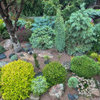
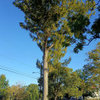
kentrees12
gardengal48 (PNW Z8/9)
Related Professionals
Zanesville Landscape Architects & Landscape Designers · Tuscaloosa Landscape Contractors · Hackettstown Landscape Contractors · Middletown Landscape Contractors · Fresno Landscape Contractors · Madison Home Builders · Knoxville Home Builders · Victoria Home Builders · Newburyport Home Builders · North Adams Home Builders · Middletown Home Builders · San Angelo Home Builders · Salem Home Builders · Everett Home Builders · Tacoma Home BuilderschaseheadrickOriginal Author
Embothrium
chaseheadrickOriginal Author
Embothrium
chaseheadrickOriginal Author