Software
Houzz Logo Print
shedthechrysalis

Any tree "doctors"? I need help please

9 years ago
last modified: 9 years ago
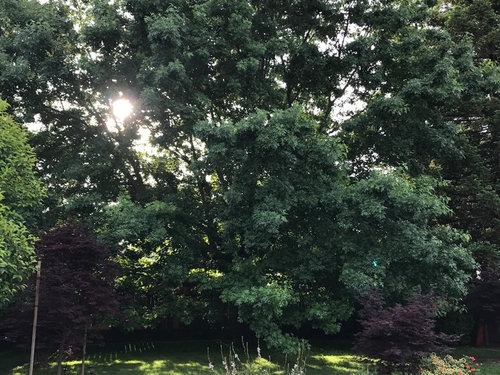
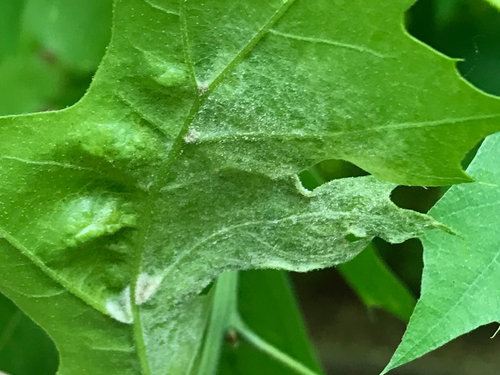
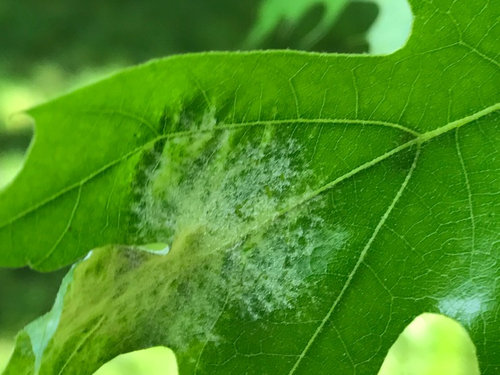
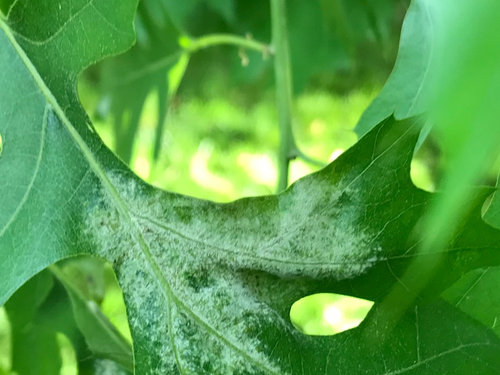
Hi GW! There's something going on with my gorgeous Oak and I can't tell what it is. The tree is approx 21 years old, 60+ feet wide and about the same high. We haven't had any issues with it over the years but this year California has been experiencing some out of the ordinary weather and I don't know if that is contributing to it. The tree had been leafing out normally, but a week or so ago we noticed that some of the leaves on the right side of the tree looked deformed. Upon closer inspection, there's white "stuff" on some of the leaves. We thought it may be aphids, because the tree is near a set of bushes that we just treated for a heavy aphid infestation, but I don't see any bugs or the tell tale sticky honeydew leaves. Googling brought me to some sort of fungus in Europe, but nothing in California. The tree is a scarlet oak I believe. Clay soil. The only changes we've made was to seed the lawn below the tree. The tree had lawn there, but when we got all of the rain, the lawn sort of disappeared. Anyhow, the guy used seed and compost - organic. We're in zone 9 and will do whatever or hire whoever to help our tree. GW has so many experts who share so much.


hank you for any help - even a referral if you know an actual tree doctor. Thank you!!

Comments (7)

  • 9 years ago
    last modified: 9 years ago
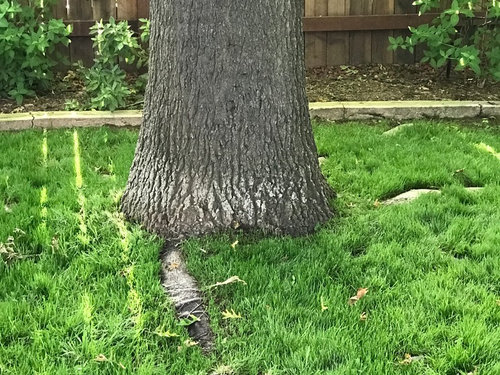
    Never heard of an oak with powdery mildew. Doesn't look like it from the picture, but could the compost have been piled around the trunk? No chemical fertilizers were used too close to the tree?

    Scarlet oak is vulnerable to gypsy moth caterpillars, Chloris and oak wilt, but it doesn't look like either.

    Fortunately I wouldn't think powdery mildew would kill an oak. A healthy oak can probably be defoliated and have to make a second crop of leaves every few years and shrug it off.

    If we are confident it is a scarlet oak and powdery mildew, hosing down the tree might help. However, this would actually make some other fungus worse, and dessert adapted Californian species wouldn't like that.

    shedthechrysalis thanked edlincoln
  • 9 years ago

    The main thing is: on such a large tree, any disease will be hard or expensive to treat. It should improve once the consistently hot weather arrives. Weather conditions are favorable some years for these types of pathogens and there isn't a lot you can do about it. Powdery mildew is seldom fatal on a large tree.

    shedthechrysalis thanked User
  • 9 years ago

    Not sure but the "stipling" could indicate spider mites. The fairly heavy rain CA has gotten may have stimulated such pests. If so, really nothing to do.

    shedthechrysalis thanked bengz6westmd
  • 9 years ago

    We're going to take some of the infected leaves to our UC extension to see if they may be able to help with a diagnose and treatment, if any. I hope it's something that will go away with the warmer weather because I'm not a fan of pesticides/fungicides and this tree sits close to a few Japanese maples that would be harmed if we had to spray. Not to mention my neighbor keeps bees that frequent our yard and I don't want anything to happen to them. I'll post results, if we get any. Thanks GW!

  • 9 years ago
    last modified: 9 years ago
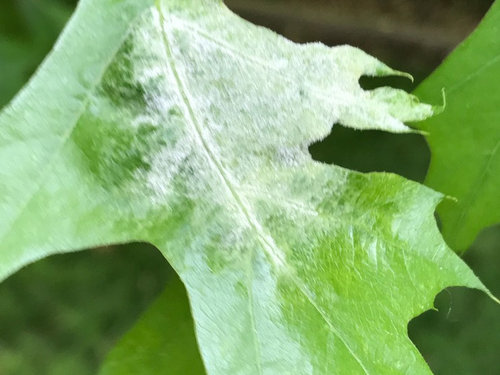
    Just a couple of comments but spider mites need very dry, warm conditions to flourish - not wet. They are very unlikely to be encouraged by excess rain :-)

    And powdery mildew is usually considered just a cosmetic issue on larger woody plants. It will not kill them. And the conditions don't seem quite right for that either - that is usually a dry soil/high humidity situation and based on this year's rainfall in CA, dry soils seem unlikely.

    If only a few leaves affected, I'd be very inclined to leave it all alone :-) We seldom need to intervene much and the tendency to do so often causes more problems than it solves.

    shedthechrysalis thanked gardengal48 (PNW Z8/9)
  • 9 years ago

    4th image suggests eriophyid gall mites. If so, disfiguring but not serious.


    Let us know what you learn from the Extension Service office.

    shedthechrysalis thanked Jean