

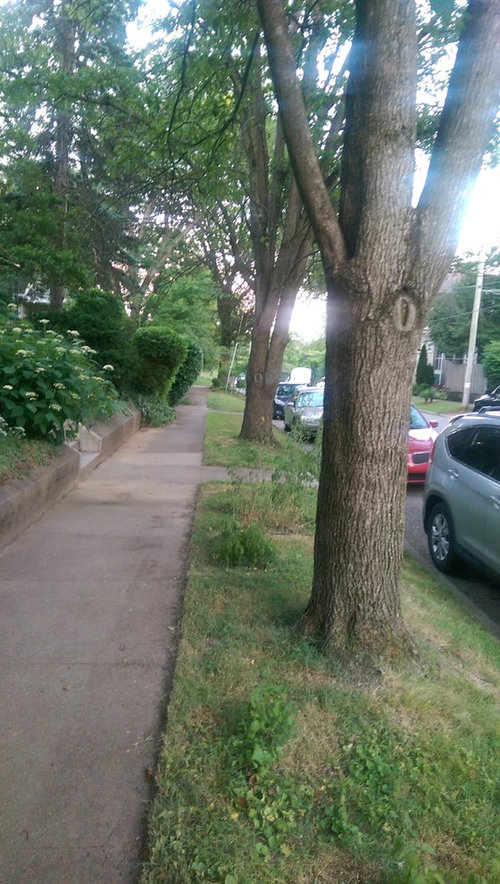
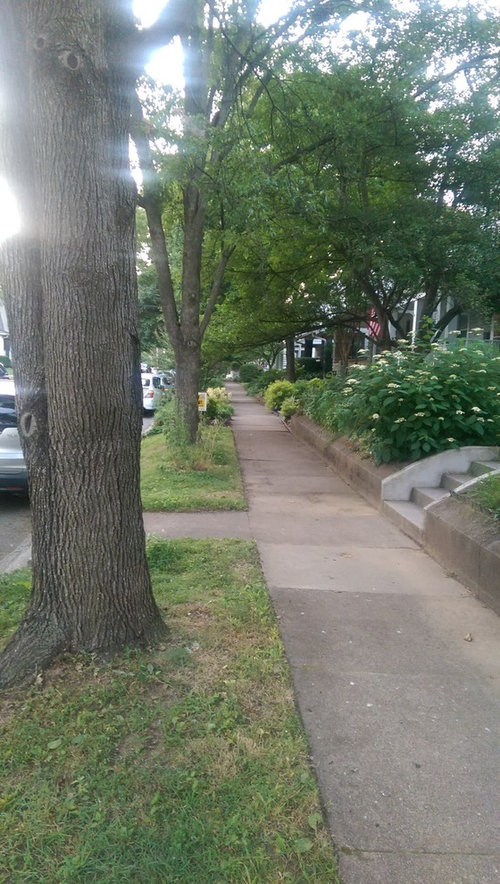
Tree suggestions
9 years ago
last modified: 9 years ago
Sort by:Oldest
Comments (5)
Related Stories
HOUZZ TOURSHouzz Tour: Nature Suggests a Toronto Home’s Palette
Birch forests and rocks inspire the colors and materials of a Canadian designer’s townhouse space
Full Story
LANDSCAPE DESIGN6 Suggestions for Harmonious Hardscaping
Help a sidewalk, driveway or path flow with your garden design, for a cohesive and pleasing look
Full Story
LIFEInviting Kids Into the Kitchen: Suggestions for Nurturing Cooks
Imagine a day when your child whips up dinner instead of complaining about it. You can make it happen with this wisdom
Full Story
GARDENING GUIDESTree Care: Common Tree Diseases and What to Do About Them
Learn to recognize trees that may be affected by diseases or pests so you can quickly take action
Full Story
GARDENING GUIDESHow to Keep Your Trees Healthy
Ensure your trees’ vigor for years to come with these tips for protecting roots, watering effectively and more
Full Story
TREES6 Unsung Spring-Blooming Trees
Billowy blooms and rare fragrances will make you wonder how these flowering trees could ever have been underused in landscapes
Full Story
EDIBLE GARDENSHow to Add an Apple Tree to Your Edible Garden
Readily available, beautiful and fragrant, apple trees offer four-season interest along with crisp, juicy fruit
Full Story
LANDSCAPE DESIGN7 Great Trees for Summer Shade and Fall Color
These landscape-pro faves straddle the seasons beautifully. Could one enhance your own yard?
Full Story
GARDENING GUIDESHow to Keep Your Citrus Trees Well Fed and Healthy
Ripe for some citrus fertilizer know-how? This mini guide will help your lemon, orange and grapefruit trees flourish
Full Story
SIDE YARD IDEASNarrow Trees for Tight Garden Spaces
Boost interest in a side yard or another space-challenged area with the fragrance and color of these columnar trees
Full Story
Toronado3800 Zone 6 St Louis
(ryanga7a) Ryan M
Related Professionals
Zanesville Landscape Architects & Landscape Designers · Lawrenceburg Landscape Architects & Landscape Designers · McAllen Landscape Architects & Landscape Designers · Keene Landscape Architects & Landscape Designers · Seattle Landscape Architects & Landscape Designers · Cape Coral Landscape Contractors · Topeka Landscape Contractors · Vicksburg Landscape Contractors · Portsmouth Landscape Contractors · Taunton Landscape Contractors · Cheyenne Landscape Contractors · Vidalia Home Additions · West Plains Home Additions · Grand Rapids Home Additions · Fergus Falls Home Additions(ryanga7a) Ryan M
edlincoln
tps_reportOriginal Author