

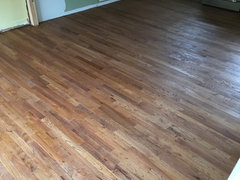
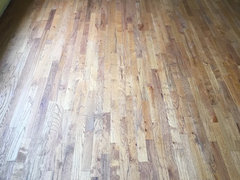
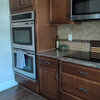
Early American stain-not happy
9 years ago
Featured Answer
Sort by:Oldest
Comments (9)
 9 years ago
Related Professionals
Wichita Falls Flooring Contractors · Sioux City Flooring Contractors · Lima Flooring Contractors · Sioux Falls Flooring Contractors · Riverside Flooring Contractors · Victorville Flooring Contractors · Billings Flooring Contractors · Hopkinsville Tile and Stone Contractors · California Tile and Stone Contractors · Starkville Tile and Stone Contractors · San Antonio Tile and Stone Contractors · Farmington Tile and Stone Contractors · Lubbock Tile and Stone Contractors · Eureka Tile and Stone Contractors · Bronx Tile and Stone Contractors- 9 years agolast modified: 9 years ago
- 9 years ago
- 5 years ago


Related Stories
TRADITIONAL ARCHITECTURESo Your Style Is: Early American
The people we know as Pilgrims set the style stage back in 1620
Full Story
DECORATING GUIDESSo Your Style Is ... ‘Wet Hot American Summer’
11 ways to bring nostalgic early-’80s camp fun to your home
Full Story
ROOTS OF STYLERoots of Style: The Indelible Charm of American Tudors
Rich details and an intimate scale give this English-inspired architectural style memorable character and flexibilty
Full Story
ARCHITECTUREAmerican Architecture: The Elements of Tudor Style
Storybook details and countryside charm make this architecture style appealing even if your home is far from the forest
Full Story
KITCHEN CABINETSKitchen Cabinet Color: Should You Paint or Stain?
Learn about durability, looks, cost and more for wooden cabinet finishes to make the right choice for your kitchen
Full Story
HOUZZ TV FAVORITESHouzz TV: See How Early Settlers Lived in This Restored Pilgrim House
Passionate restoration and preservation efforts give a 1665 home an honored place in the present
Full Story
KITCHEN CABINETSPainted vs. Stained Kitchen Cabinets
Wondering whether to go for natural wood or a painted finish for your cabinets? These pros and cons can help
Full Story
MOST POPULARHow to Hang the American Flag at Home
We’ll show you how to display the American flag on your house for Memorial Day, the Fourth of July or all year round
Full Story
ARCHITECTUREMust-Have Book: ‘A Field Guide to American Houses’
Be the architectural historian of your neighborhood with this invaluable updated version of a well-researched classic
Full Story
LIVING ROOMSLush Tradition: Elements of the American Tudor Living Room
From the identifying Tudor arch to leaded glass transom windows to strapwork details, these homes host rich character
Full StorySponsored

Columbus Design-Build, Kitchen & Bath Remodeling, Historic Renovations


G & S Floor Service