

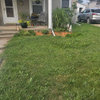
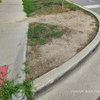
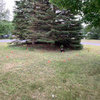
Possible rain garden site
9 years ago
Featured Answer
Sort by:Oldest
Comments (9)
 9 years ago
 9 years ago
Related Professionals
Pueblo Landscape Architects & Landscape Designers · Albuquerque Landscape Architects & Landscape Designers · Magog Landscape Architects & Landscape Designers · Fayetteville Landscape Contractors · Davenport Landscape Contractors · Bemidji Landscape Contractors · Youngstown Landscape Contractors · Hilo Landscape Contractors · Great Bend Architects & Building Designers · Fayetteville Architects & Building Designers · Orangeburg Architects & Building Designers · Saginaw Architects & Building Designers · Traverse City Architects & Building Designers · Janesville Architects & Building Designers · Platteville Architects & Building Designers- 9 years ago
- 9 years ago
- 9 years ago
- 9 years ago
- 9 years agolast modified: 9 years ago
Related Stories
LANDSCAPE DESIGNHow to Site and Size a Rain Garden for Your Landscape
Installing a rain garden is an excellent way to reduce runoff and return water to its source
Full Story
GARDENING GUIDESGreat Home Project: Install a Rain Garden
These beautiful and environmentally friendly landscape additions have a place in wet and dry climates
Full Story
LANDSCAPE DESIGNHow to Shape a Rain Garden and Create the Right Soil for It
Learn how to grade, lay out and amend the soil in your rain garden to support your plants
Full Story
LANDSCAPE DESIGN5 Steps to Selecting the Right Plants for a Rain Garden
A simplified look at selecting plants for a rain garden
Full Story
GARDENING GUIDESProtect a Precious Resource With a Rain Garden
Promote pure water and a beautiful landscape with a garden design that makes the most of the rain
Full Story
SAVING WATERHouzz Call: Have You Installed a Rain Garden?
Tell us if your landscape includes one of these beautiful and useful landscape features
Full Story
LANDSCAPE DESIGNHow to Design a Rain Garden That Loves Stormy Weather
Rain gardens have a special type of planting bed that drains rainwater. These tips can keep yours looking great
Full Story
GARDENING GUIDESGreat Garden Combo: 6 Beautiful Plants for a Shady, Wet Site
Transform a shade garden with moisture-loving golden grasses, textural leaves and a sprinkling of flowers
Full Story
GARDENING GUIDESYes, You Can Grow an Edible Garden on a Hot, Dry Site
Difficult garden spots don’t need to deter you from planting trees, herbs and other delicious food plants
Full Story
EVENTSSee ‘Chihuly in the Garden’ at the Atlanta Botanical Garden
The glass artist’s work is well-sited to complement and contrast with beautiful plantings. His new installation opens Saturday
Full Story

dbarron